




Top-rated electricians.

Best electricians near Oakbrook Terrace, IL

Enter your zip and get matched with up to 5 pros

Need a pro for your electrical service project in Oakbrook Terrace, IL?

Select your specific project to find the pro for you.

TRUSTED BY OAKBROOK TERRACE, IL HOMEOWNERS

  • Average homeowner rating star icon4.6
    Average homeowner rating
  • Verified reviews icon2.1k+
    Verified electrical services reviews

Top-Rated Electricians in Oakbrook Terrace - Updated Nov 2026

Avatar for Electric Mechanical Solutions LLC
Electric Mechanical Solutions LLC
5.0(
21
)
Electrical Switches, Outlets & Fixtures - Install or Repair

Serving Oakbrook Terrace, IL and surrounding areas

Approved

In business since 2005

Credit card accepted

Offers commercial services

Electric Mechanical Solutions, LLC \nLicensed - Insured - Nearly 20 Years of Professional Experience \n \nService fee 125 waived if work move. Our minimum charge is $350 to $400 and up, depending on distance, job complexity, and scope. This includes small jobs, repairs, or up to the first hour of licensed labor. Anything beyond the first hour is priced clearly on-site. This is licensed contractor pricing - not handyman rates. Our pricing is fair, honest, upfront, and transparent. No hidden fees, no surprises, no games. \n \nWe proudly offer residential, commercial, and industrial services, including troubleshooting, EV chargers, panel upgrades, surge protection, lighting installations, dedicated circuits, subpanels, garage circuits, and more. \n \nPlease Note: \n - No free quotes for troubleshooting, repairs, or small jobs by phone/text. \n - If you?re price shopping or comparing numbers, this is not the right fit. \n \n- If you care about safety, quality, and reliable professional work ? let?s connect.

Electrical Service
Recommended by5%of homeowners

...
Showing 1-10 of 937
Electrical FAQs, answered by experts

Most standard residential water heaters, which are typically around 40 gallons and use 240 volts and between 3,500 and 5,500 watts, require a 30-amp, two-pole circuit breaker. For smaller, point-of-use water heaters using 120 volts and between 1,500 and 3,000 watts, a 30-amp breaker is also often adequate. However, some models may have different needs; units that use more watts than average may require a 40-amp breaker, while smaller units might only need a 20-amp breaker. Newer, tankless, or more energy-efficient models can also require a higher amperage. Having the correct breaker size is crucial for safe and efficient operation, so it's best to consult a licensed electrician to determine the specific needs of your water heater.

Yes, most electric and automatic gates can be opened manually. They are equipped with a manual override or release mechanism that detaches the motor from the gate, allowing it to be moved by hand. This feature is essential during power outages or other emergencies.

To activate the manual override, you will typically need a specific key or tool. In some cases, you may also need a screwdriver to remove a cover to access the release mechanism. The use of a key is a common security measure to prevent unauthorized individuals from manually opening the gate.

Because every model is different, it is highly recommended to consult your gate's user manual to familiarize yourself with the specific procedure before you need to use it. Keep any necessary keys or tools in an accessible location. Be aware that automatic gates can be very heavy, so opening and closing them manually may be difficult.

In North America, electric gates are also subject to the UL 325 Standard for Safety, which includes provisions to allow emergency responders to access the property.

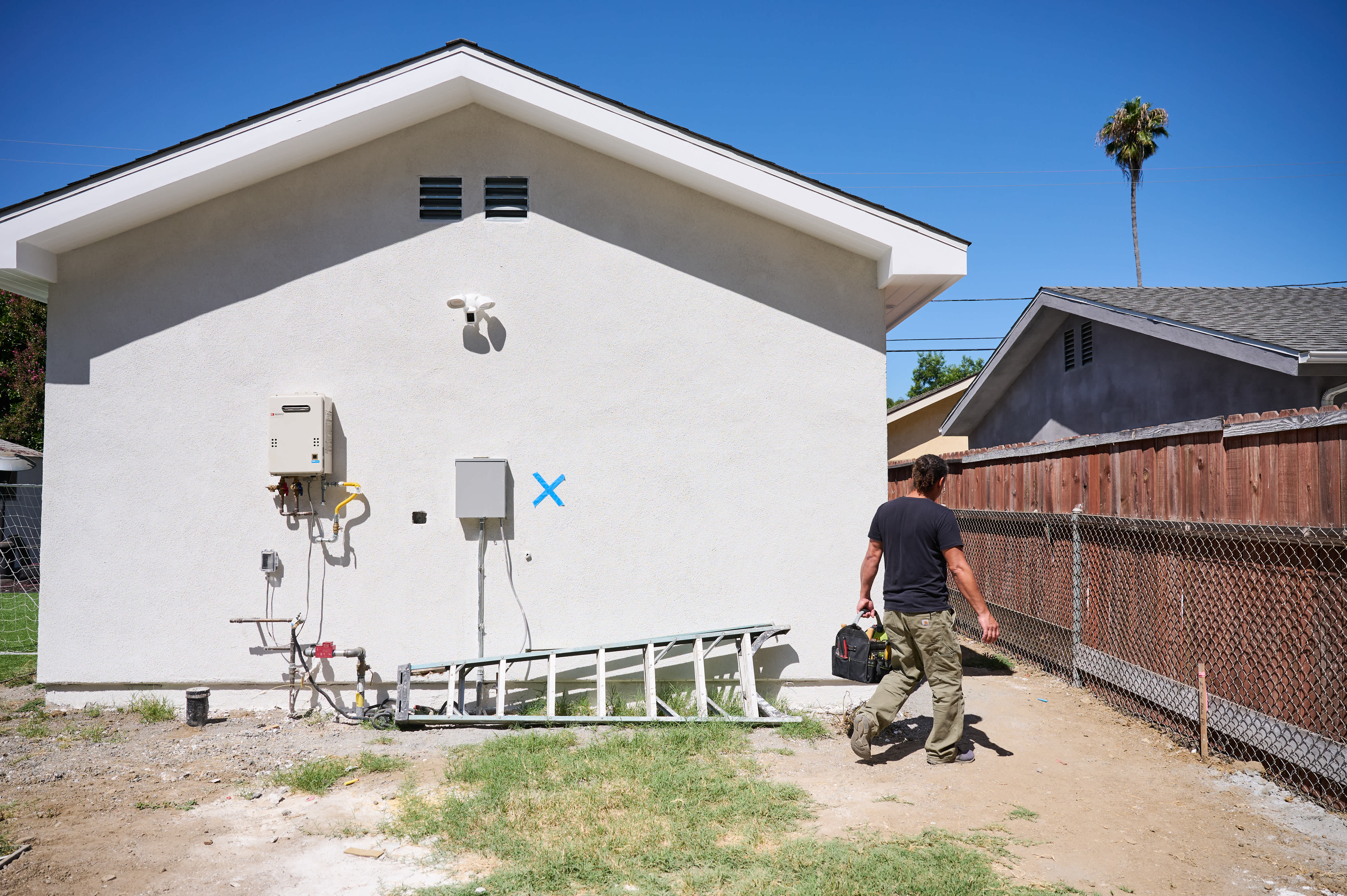
A circuit breaker flipping off when it detects an overloaded circuit isn’t a problem, but flipping the switch frequently can damage it and eventually cause an electrical hazard. If you’re going on a long vacation or leaving your home for the season, you should avoid turning off your circuit breaker to prevent electrical damage to your system.

No, a ceiling fan doesn’t have to be wired to a switch, but it’s often more convenient. You can use the included pull chain if your ceiling isn’t too high or install a remote module later, as they are a cheap, easy-to-install option that’ll let you control both the fan and light fixture.

In most cases, line wires are located at the bottom of a panel or device, while load wires are located at the top. Line wires are generally black, while load wires are typically red or black. To tell for sure, you can use a multimeter or volt pen to test the wire. A live or line wire will always carry a charge, while a load wire will only carry a charge when it’s in use.

The Oakbrook Terrace, IL homeowners’ guide to electrical services

From average costs to expert advice, get all the answers you need to get your job done.