



Top-rated tree service pros.

Get matched with top tree service pros in Litchfield, IL

Enter your zip and get matched with up to 5 pros

Need a pro for your tree service project in Litchfield, IL?

Select your specific project to find the pro for you.

TRUSTED BY LITCHFIELD, IL HOMEOWNERS

  • Average homeowner rating star icon4.1
    Average homeowner rating
  • Verified reviews icon23
    Verified tree services reviews

Find Tree service pros in Litchfield

Avatar for Miller Services
Miller Services
5.0(
5
)

Serving Litchfield, IL and surrounding areas

In business since 2018

Free estimates

"Very professional. Got the work done quickly. I would highly recommend miller services to anyone in need of tree services. Whether you're dealing with routine pruning or more complex tree removal, you can trust them to get the job done right, and in a quick manor. Iâ ve hired them more than once and each time has been exceptional."
Tree Removal & stump
Tree and stump removal
Tree Removal
Response time1 day
Response rate100%
Recommended by100%of homeowners
J. Jagosh Tree Service
5.0(
1
)

Serving Litchfield, IL and surrounding areas

In business since 2000

Free estimates

Emergency services offered

"When I contacted them, they came out and looked at the tree that we wanted to be topped off, because some limbs at the top were ready to be trimmed back for the winter... Then, he gave us a quote and said he'd call back... He did call back, showed up when he said he would, had some helpers with him, and did a great job topping the tree for us, all the limbs and branches were cut and he had someone picking and raking them all up. He also treated the cut branches so the winter freezing/weather wouldn't hurt the tree grove. Now that it's spring we are getting little sprouts out of the branches, and we weren't sure they would, so we are happy with his work and we are pleased with him!"
Response time2 days
Recommended by100%of homeowners
Showing 1-10 of 36
Tree Service questions, answered by experts

Getting a tree pro with the right experience can be the difference between your transplanted tree surviving or not. When hiring a local tree transplanting and removal service, follow up on references, check their portfolio, ask for a breakdown of the costs, and get proof of liability and workers’ compensation insurance. 

Also, look for companies certified by the International Society of Arboriculture or registered with the Tree Care Industry Association and make sure they have an appropriate state or city license.

There are several methods to hollow out a tree stump, and the best one depends on your tools, experience, and priorities. Common methods include using a chisel and hammer, a chainsaw, or burning.

  • Chisel and Hammer: This is often considered the easiest approach for those with limited tools or experience, though it is the most time-consuming.

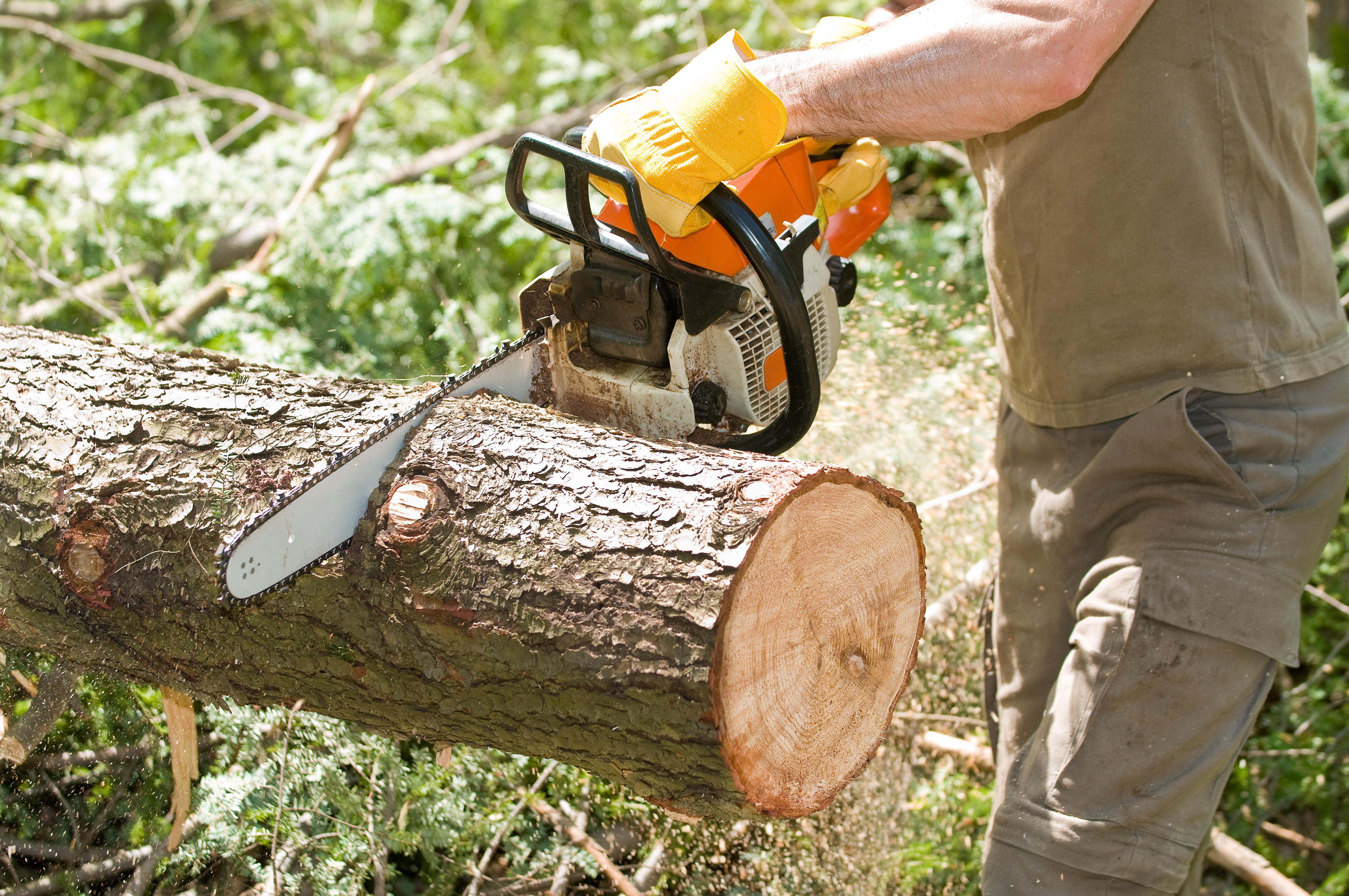
  • Chainsaw: Using a chainsaw is the fastest method, but it comes with significant safety risks, especially for inexperienced users.

  • Burning: This can be an effective method, but it is not recommended unless you can first drill holes into the stump. Without holes, the stump will be difficult to light and may not burn completely through.

A power drill with at least a ⅜-inch diameter bit can make the job quicker and easier, regardless of the primary method. While you can use a chisel or chainsaw without a drill, it will require more time and effort. Always wear protective goggles and thick gloves, as splinters are an inevitable risk.

You can trim just one side of the tree, especially when that side is growing near something like a power line or a home. Pros will carefully trim the tree back until it is safe from that structure. While this is common, it also needs to be done with the utmost care, as pruning or trimming away at one side of the tree may make it structurally unsound. This instance is yet another where hiring a pro is wise, especially if power lines are involved.

A tree branch should start to form roots in about three months. It can take about a year for a tree branch to develop roots strong enough to go in the ground. For best results, start several branches because, no matter how closely you follow instructions, they won’t all form roots. Compost any that aren’t thriving.

Dead tree branches should be removed, because they can cause the tree to lose nutrients. They can also make the tree more susceptible to disease and pests. Removing dead and diseased branches can help the tree recover and increase the odds of saving a dying tree. Make sure to prune the tree correctly to avoid damaging it further.

The Litchfield, IL homeowners’ guide to tree services

From average costs to expert advice, get all the answers you need to get your job done.