





Top-rated tree service pros.

Best tree service pros near Bunker Hill, IL

Enter your zip and get matched with up to 5 pros

Need a pro for your tree service project in Bunker Hill, IL?

Select your specific project to find the pro for you.

TRUSTED BY BUNKER HILL, IL HOMEOWNERS

  • Average homeowner rating star icon4.5
    Average homeowner rating
  • Verified reviews icon31
    Verified tree services reviews

Top-Rated Tree service pros in Bunker Hill - Updated Nov 2026

Avatar for OLI Outdoor Services
OLI Outdoor Services
5.0(
15
)
Tree RemovalTree Removal - For BusinessTree Stump - Remove+5 more

Serving Bunker Hill, IL and surrounding areas

In business since 2001

Free estimates

Credit card accepted

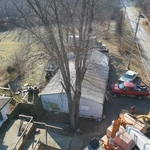
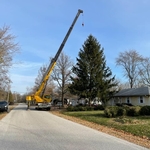
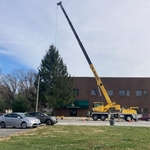
"The OLI team removed a very large tree from a tight spot in my backyard. This project required a crane that lifted the entire tree out over my back door neighbor's house, down a shared driveway. This feat was accomplished without any damage to anyone's property. While backing out one of the pieces of equipment between my house & my neighbor, the crew stoped & plucked a large dead branch from another tree belonging to my next door neighbor. They didn't have to do that; but, they did. Everyone was happy. My tree was the second job OLI had done on my block. Probably will not be the last. Great crew. I highly recommend."
Recommended by100%of homeowners
...
Showing 1-10 of 67
Tree Service FAQs, answered by experts

If your palm tree has spots on the leaves, rotting buds, or is beginning to turn yellow, then you have a sick tree on your hands. You should contact a palm tree specialist to identify the problem and help treat the tree if possible. Preventing diseases and pests is key to a healthy palm tree, and it's essential to take action as soon as possible if your tree is showing signs of being sick.

Unfortunately, palm tree stumps are one of the most difficult types to remove due to how their roots grow. Unlike other trees, palm tree roots grow horizontally and vertically. Palm tree roots grow as deep as three feet into the ground, although soil and growing conditions could mean they go as far as 50 inches into the earth. 

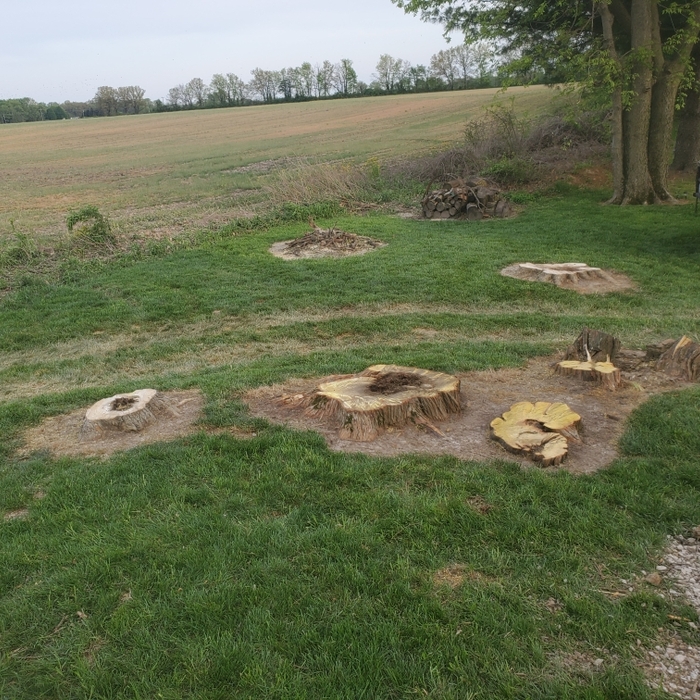
If you want to be able to repurpose the grass in the area where you removed a stump later, you’ll have to dig quite deep—and perhaps wide—to trim away all the roots.

The best time to transplant a tree is when it is dormant. For many trees, this means either in the fall after the leaves have dropped (around October or November) or in early spring before new growth begins (around March). The ideal timing can depend on the type of tree. Deciduous trees do well when moved in early spring or fall, while evergreens are best transplanted in early spring or late summer. For example, pine trees are best moved in early fall, but maples prefer late fall. Avoid transplanting in winter, as the frozen or hard, cold soil poses a significant risk to the roots and prevents the tree from acclimating properly.

You can trim just one side of the tree, especially when that side is growing near something like a power line or a home. Pros will carefully trim the tree back until it is safe from that structure. While this is common, it also needs to be done with the utmost care, as pruning or trimming away at one side of the tree may make it structurally unsound. This instance is yet another where hiring a pro is wise, especially if power lines are involved.

Rock salt or Epsom salt can damage and kill tree roots over several weeks and can even assist in removing the tree's stump. However, you need to drill holes or cut into the stump and surface tree roots to inject them properly with the salt. Repeat the process every two weeks until the roots visibly rot away.

The Bunker Hill, IL homeowners’ guide to tree services

From average costs to expert advice, get all the answers you need to get your job done.