



Top-rated drywall pros.

Get matched with top drywall pros in Lexington, IL

Enter your zip and get matched with up to 5 pros

Need a pro for your drywall service project in Lexington, IL?

Select your specific project to find the pro for you.

TRUSTED BY LEXINGTON, IL HOMEOWNERS

  • Average homeowner rating star icon4.1
    Average homeowner rating
  • Verified reviews icon29
    Verified drywall services reviews

Find Drywall pros in Lexington

Avatar for Elite Remodeling
Elite Remodeling
New to Angi
Drywall - InstallDrywall - Repair

Serving Lexington, IL and surrounding areas

Approved

In business since 2001

Free estimates

Emergency services offered

We pride our company on reliability, great communication, integrity, and quality work. We are experts in our trade and will do our best to keep you as educated as we can on your particular task or project. We look forward to earning your business!

2 neighbors recently requested a quote
House Doctors of Central Illinois
New to Angi
Drywall - Repair

Serving Lexington, IL and surrounding areas

Approved

In business since 2025

Free estimates

Credit card accepted

House Doctors of Central Illinois provides reliable, professional handyman and home improvement services designed to keep your home in top shape. From small repairs to larger projects, their experienced team delivers quality workmanship with a focus on efficiency, communication, and customer satisfaction. They specialize in a wide range of services including drywall repair, carpentry, door and window work, and general home maintenance. Whether you’re tackling a to-do list or need help with ongoing property upkeep, House Doctors is committed to getting the job done right the first time. Homeowners trust them for their responsiveness, attention to detail, and dependable service across every project.

52 neighbors recently requested a quote
...
Showing 1-10 of 78
Drywall questions, answered by experts

Whether to repair or replace water-damaged plaster depends on the scale of the damage. For small, limited areas, you can often perform a repair yourself. If you choose to paint over small patches, ensure the surface is completely dry and apply a coat of antifungal primer first to prevent mold growth. However, simply painting or plastering over the damage is only a temporary solution that doesn't address the core problem. For more extensive or long-term damage, the plaster may be compromised, and there is a risk of mold. In these cases, it is recommended to remove the damaged section of plasterboard and replace it. You may consider hiring a professional for the repair, and it's worth noting that water damage is often covered by home insurance.

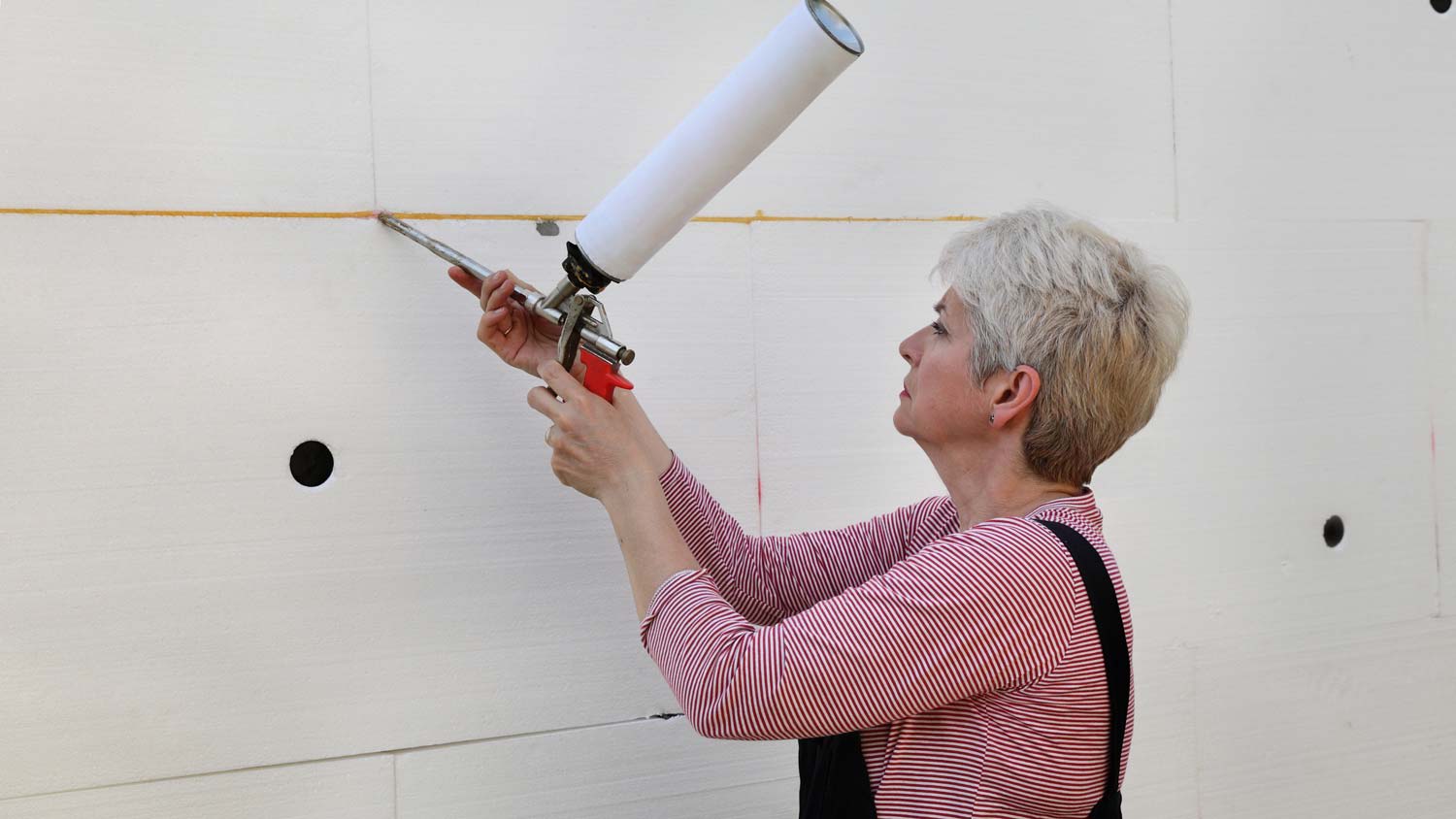
While not always necessary, you can glue a drywall ceiling in addition to using screws or nails. Drywall is typically secured to ceiling joists with fasteners, which is often sufficient. However, adding construction adhesive can offer benefits like preventing sagging, bridging gaps, and reducing air leaks for better energy efficiency. It may also be used for specific acoustic or insulation needs. On the other hand, many professionals advise against it because properly placed screws make the drywall structural, glue doesn't add strength, and it makes future repairs or replacements significantly more difficult. Ultimately, it's best to follow local building codes and project-specific requirements to decide if adhesive is right for your ceiling.

Technically speaking, you can use drywall primer over plasters. However, oil-based primers work the most effectively on wall plasters. Meanwhile, water-based primers work just as well with drywalls. Nowadays, there are also universal primers suitable for drywall and plaster. Overall, you will be fine as long as you are using a trustworthy brand.

Whether you apply the drywall mesh before or after drywall mud depends on the type of patch it is. For self-adhesive patches, you’ll put the patch down first and then coat it with mud. Mesh patches that are not self-adhesive will require you to put mud down first and then press the mesh into it, followed by additional coats of mud.

When sanding drywall mud, you’re going to create a very fine dust that may contain silica. Silica dust contains crystalline silica, which can cause long-term illnesses for people who inhale it in significant quantities. Wear a mask while sanding drywall. Then dampen a drywall sponge to wipe the dust off the drywall, helping to reduce the amount of dust that may become airborne.

The Lexington, IL homeowners’ guide to drywall services

From average costs to expert advice, get all the answers you need to get your job done.