





Top-rated bird control service pros.

Get matched with top bird control service pros in Lexington, IL

Enter your zip and get matched with up to 5 pros

Need a pro for your bird control service project in Lexington, IL?

Select your specific project to find the pro for you.

TRUSTED BY LEXINGTON, IL HOMEOWNERS

  • Average homeowner rating star icon4.4
    Average homeowner rating
  • Verified reviews icon28
    Verified bird control services reviews

Find Bird control service pros in Lexington

Avatar for Anderson Pest Solutions
Anderson Pest Solutions
4.0(
49
)
Pest Control - Birds and Bats

Serving Lexington, IL and surrounding areas

In business since 1913

Free estimates

Credit card accepted

"I used them for mosquito control Weather has a major impact on scheduling, so it was hard to set firm dates for service. Always showed up once they were scheduled. Treatments provided significant, but not total relief from mosquito problem. Price was good compared to other services. Techs were always pleasant and professional."
Recommended by89%of homeowners
Avatar for Presto-X (St. Louis)
Presto-X (St. Louis)
New to Angi
Pest Control - Birds and Bats

Serving Lexington, IL and surrounding areas

In business since 1932

Free estimates

Credit card accepted

Since 1932, Presto-X (formerly Anderson Pest Solutions) has been providing expert pest control services guided by the enduring principles of providing world class service to our customers and taking care of our colleagues. Presto-X covers your home or business with expert knowledge, professionally licensed and trained technicians, and exemplary service designed specifically for you.

Bird Control questions, answered by experts

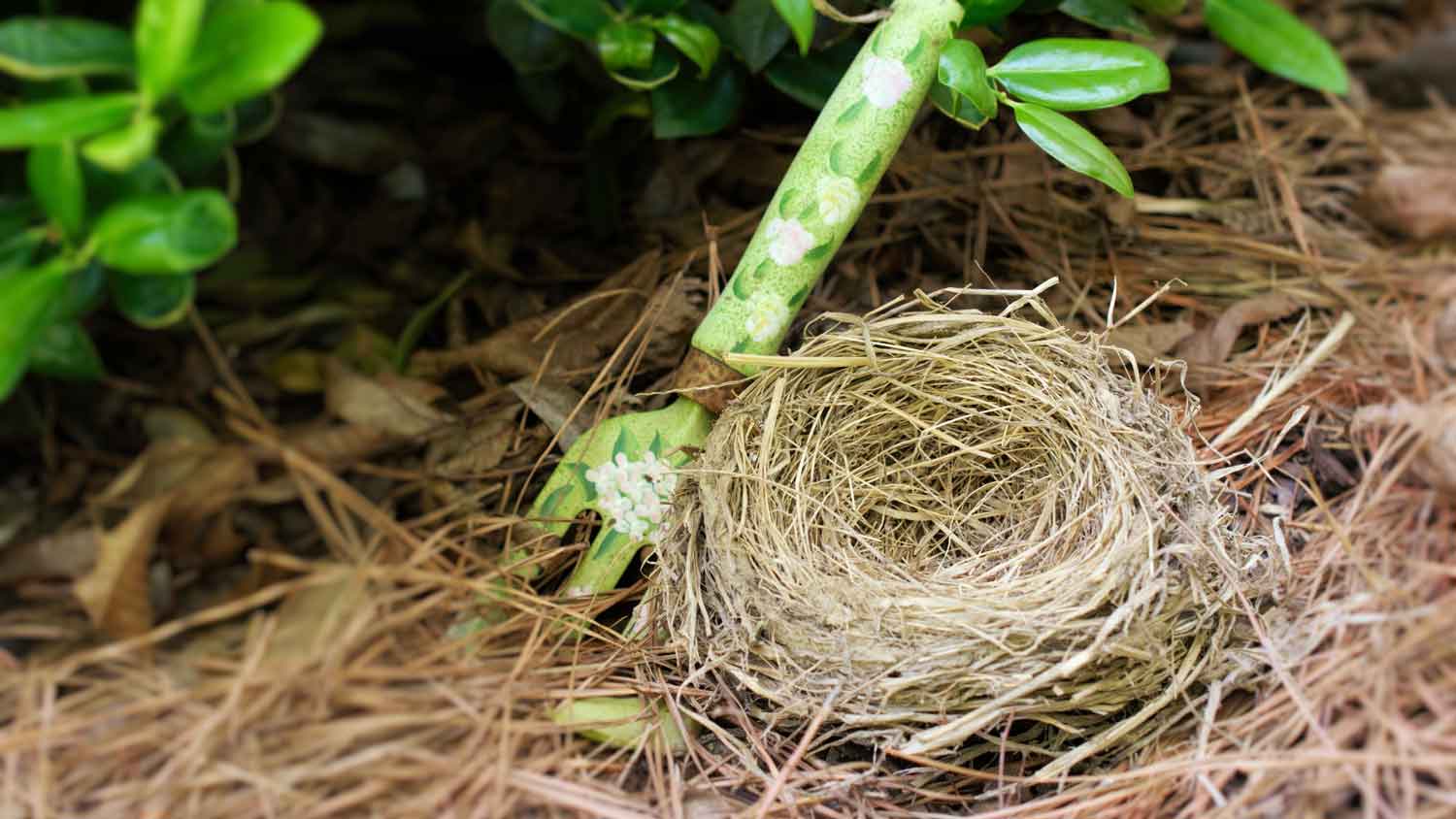
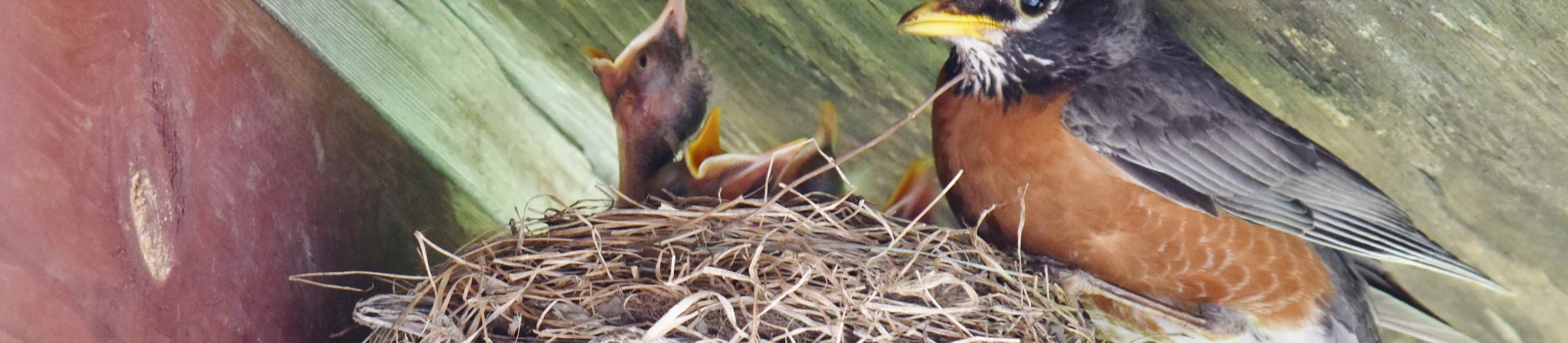
The lifespan of a bird's nest depends on the species. The building process can take from two days to three weeks. Once built, the nesting period for baby birds can last from two to ten weeks before they leave the nest. While most young birds are ready in two to six weeks, some predatory species may need up to two and a half months. Some species nest four to five times per year, so a nest could remain in use for several months. For specific information about a particular nest's longevity, it is best to consult a wildlife professional.

The best time of year to remove bats is autumn until spring. In fact, many states have restrictions on bat removal, mandating it to start sometime in August and go up until May. For some states, the removal period stops in March. Your pest control pro should know of any restrictions and can help you pick an optimal time for removal.

Vinegar can keep some animals at bay, like deer, rabbits, foxes, and raccoons. Keep in mind that your household pets, like cats and dogs, also don’t like the smell of vinegar. You can soak rags in white vinegar and put them up around your garden beds to keep the pesky critters from eating your plants.

Finding a dead bat in your home can be frightening, even during spooky season. The United States Department of Interior states that if you find a dead bat, take these steps:

  • Contact your state wildlife agency to report the finding

  • Photograph the bat safely to help the wildlife agency determine the species

  • Use disposable gloves to place the bat into a plastic bag, making sure to spray with disinfectant and close the bag securely 

  • Thoroughly clean your hands and any clothing that came into contact with the bat

If you see one dead bat, you might have a large bat infestation that needs to be treated immediately. Call a local pest control company to properly inspect your home for other bats.

When woodpeckers start banging on your walls or roof, they are probably looking for insects to eat, storing nuts for winter, drilling a hole to make a nest, or communicating with other birds to establish territory or find a mate.

The size of the hole can help determine the reason for the pecking. Small irregular holes are a result of insect hunts. Acorn holes are more consistently sized and often fitted with a nut in the middle. Nest holes are large and have rounded edges. If the bird is pecking to mark its territory or attract a mate, it may leave dents rather than holes, and the noise will stop when the mating season starts in spring.

The Lexington, IL homeowners’ guide to bird control services

From average costs to expert advice, get all the answers you need to get your job done.