




Top-rated excavation pros.

Get matched with top excavation pros in Hamel, IL

Enter your zip and get matched with up to 5 pros

Need a pro for your excavation project in Hamel, IL?

Select your specific project to find the pro for you.

TRUSTED BY HAMEL, IL HOMEOWNERS

  • Average homeowner rating star icon4.9
    Average homeowner rating
  • Verified reviews icon15
    Verified excavation services reviews

Find Excavation pros in Hamel

Avatar for K&K Excavating LLC
K&K Excavating LLC
5.0(
3
)
Building Site - Preparation and ClearingBuilding Site - Preparation and Clearing - For BusinessExcavation - Major Grading or Resloping+1 more

Serving Hamel, IL and surrounding areas

Approved

In business since 2023

Free estimates

Small jobs welcome

"Great company to work with. Our project was completed on time and below estimate. Austin was great to work with. Our demolition and site preparation were done as expected and as quoted. The equipment was modern and equipped with modern technology all of which ensured efficiency and quality. We will hire them again."
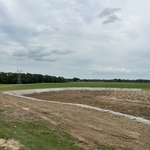
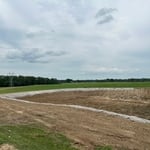
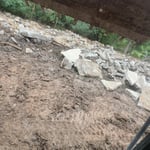
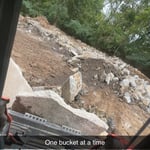
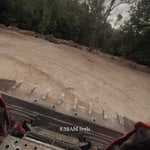
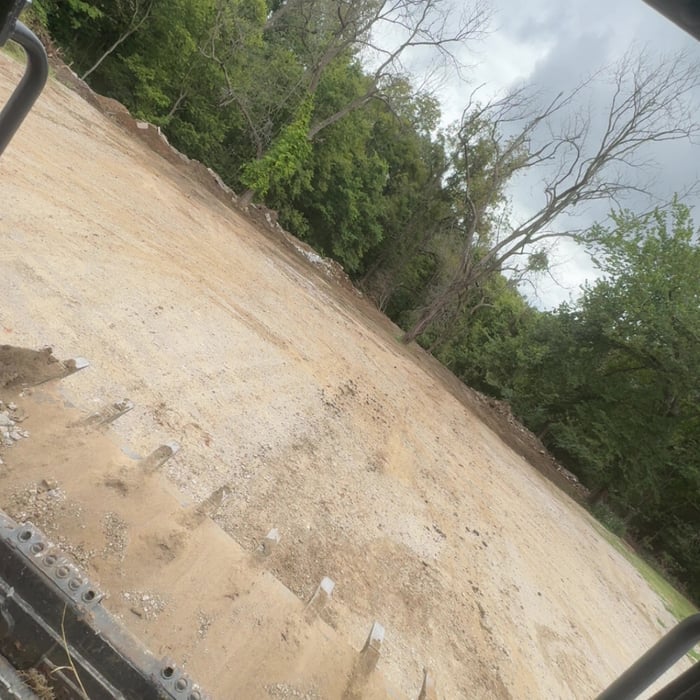
Pond expansion
rip rap on banks
final grade on dam
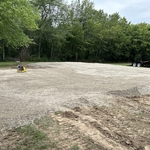
completed rock pad
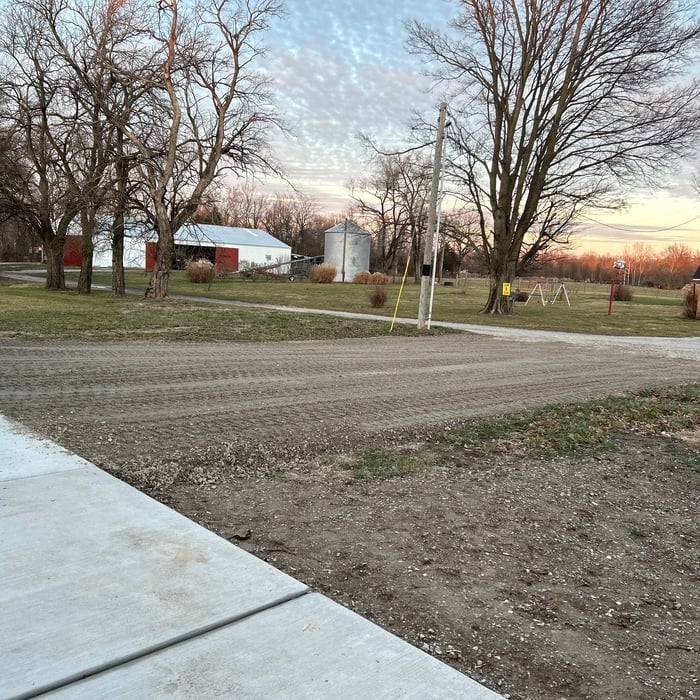
backfill and driveway

+13

Response time8 hrs
Recommended by100%of homeowners

Avatar for AB excavation
AB excavation
New to Angi
Building Site - Preparation and ClearingExcavation - Major Grading or Resloping

Serving Hamel, IL and surrounding areas

Approved

Free estimates

Small jobs welcome

Credit card accepted

AB Excavation is a locally owned and operated excavation and land clearing company based in Highland, Illinois.\nWe specialize in land clearing, grading, and site preparation for residential and small commercial projects. Our work includes Fences, small lot clearing, new home site prep, demolition and haul-off, pond and water feature excavation, and culvert installation.\n\nWe take pride in doing the job right the first time, showing up when we say we will, and communicating clearly with our customers from start to finish. Whether it’s clearing property, prepping a build site, or handling drainage work, we focus on quality workmanship, efficiency, and fair pricing.\n\nWe serve Highland and the surrounding areas and work closely with homeowners, builders, and property owners to get projects completed safely and on schedule.

...
Showing 1-10 of 101
Excavating questions, answered by experts

As a general rule, the protected area should be about 1½ times as wide as the canopy of the tree’s leaves. This digging measurement can vary by tree species and the age of the tree. Of course, that can be a lot of fencing for larger trees, which is why our first step is about making difficult decisions on which trees to save.

It can take several weeks for the ground to settle after removing a tree, and the soil under larger, more mature trees can take months. The deeper the tree has been ground under the soil, the longer it will take to settle. However, this extra depth can help you plant new landscaping sooner because you’ll have more space for fresh soil.

There is no standard depth for burying a septic tank; they are typically buried anywhere from 4 inches to 4 feet underground. The final depth depends on several factors, including the depth of your main sewer line, the height of the bedrock, soil type, local regulations, and the property's landscape. If you plan to grow grass or plants over the tank, a depth of at least 4 to 6 inches is recommended. Deeper tanks can be more difficult to locate, but a septic professional can help find it for you.

Sewer lines can be buried anywhere from 18 inches to 8 feet deep, with a common average depth between 18 and 30 inches. The exact depth depends on local factors like climate and soil type. In colder regions, pipes must be buried deeper (below the frost line) to prevent freezing, sometimes as deep as 8 feet. The digging depth can also impact the cost of sewer line replacement. To find the specific depth for your property, you can check the building plans for your system, which should be on file with your city or local sanitation department since permits are required for installation.

There are many ways to cut through roots when digging, especially if your trencher doesn’t seem to be removing the roots. First, use a shovel to expose the roots. Then, use gardening shears to clear out smaller roots or a reciprocating saw to remove larger plant roots. If you plan on keeping the plant, avoid cutting any roots over 2 inches thick.

The Hamel, IL homeowners’ guide to excavation services

From average costs to expert advice, get all the answers you need to get your job done.