



Top-rated excavation pros.

Get matched with top excavation pros in Bunker Hill, IL

Enter your zip and get matched with up to 5 pros

Need a pro for your excavation project in Bunker Hill, IL?

Select your specific project to find the pro for you.

Find Excavation pros in Bunker Hill

Avatar for Green Outdoors
Green Outdoors
5.0(
12
)
Building Site - Preparation and ClearingExcavation - Major Grading or ReslopingLandscape - Minor Grading or Resloping

Serving Bunker Hill, IL and surrounding areas

Approved

In business since 2025

Free estimates

Offers commercial services

"The work completed was exemplary! He knew what we needed done and he did exactly that. All work was performed in a timely manner which kept the cost to a minimum. You can't ask for more than that... I will definitely recommend Green Outdoors to anyone who needs property cleared!"
Green Outdoors
Response time1 day
Response rate100%
1 neighbors recently requested a quote
Bri-Co Construction, LLC
4.7(
17
)
Building Site - Preparation and ClearingExcavation - Major Grading or Resloping

Serving Bunker Hill, IL and surrounding areas

Approved

In business since 1974

Free estimates

Credit card accepted

With over 40 years of experience in the home and home improvement industry, Bri-Co Construction LLC is your trusted partner for all your residential and commercial needs. We treat every project with the same care and attention as if it were our own. Contact us today - we're excited to work with you!

1 neighbors recently requested a quote
Recommended by60%of homeowners
Avatar for AB excavation
AB excavation
New to Angi
Building Site - Preparation and ClearingExcavation - Major Grading or Resloping

Serving Bunker Hill, IL and surrounding areas

Approved

Free estimates

Small jobs welcome

Credit card accepted

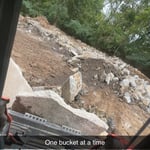
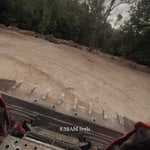
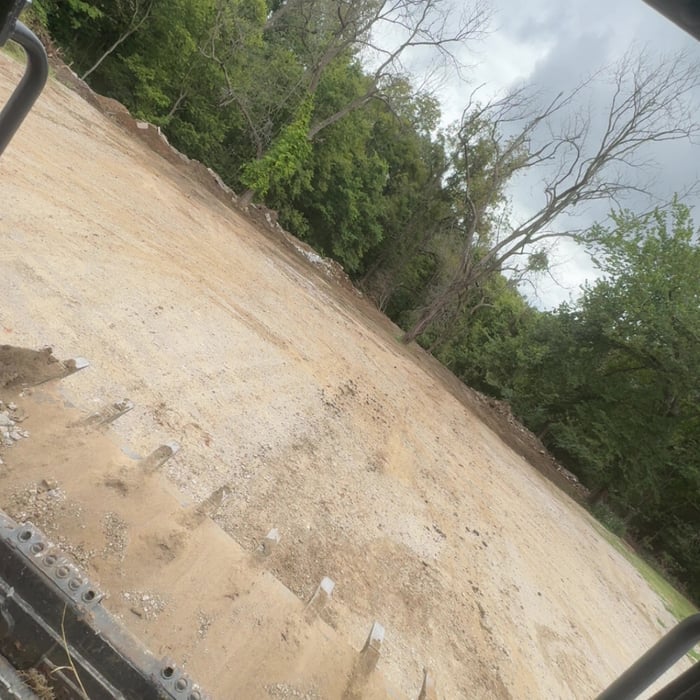
AB Excavation is a locally owned and operated excavation and land clearing company based in Highland, Illinois.\nWe specialize in land clearing, grading, and site preparation for residential and small commercial projects. Our work includes Fences, small lot clearing, new home site prep, demolition and haul-off, pond and water feature excavation, and culvert installation.\n\nWe take pride in doing the job right the first time, showing up when we say we will, and communicating clearly with our customers from start to finish. Whether it’s clearing property, prepping a build site, or handling drainage work, we focus on quality workmanship, efficiency, and fair pricing.\n\nWe serve Highland and the surrounding areas and work closely with homeowners, builders, and property owners to get projects completed safely and on schedule.

...
Showing 1-10 of 79
Excavating questions, answered by experts

You should dig 3 to 6 inches deep for plastic edging. Dig as wide as you need to fit your plastic edging into it—2 inches is usually sufficient.

After you successfully remove your boulder, you have a few options for what to do to get rid of it. You can rent a dumpster if your yard has many boulders or if you’re planning a larger project. You can even save the boulder and reuse it elsewhere on your property to save on landscaping costs. A few ideas include using the boulder as a natural, abstract statue, breaking it into smaller pieces to line your garden bed, or offering it to a landscaping company that could reuse it for another project.

To locate an underground downspout, you should start by identifying where the above ground gutter drains. Look for an entry point, such as a pipe or elbow leading into the ground. Follow the surface path for signs like depressions, landscaping disruptions, or wet areas after rain. You can use a metal detector or plumber’s snake to trace the pipe underground. For deeper pipes, a professional locator tool or camera inspection may be necessary. Visual markers or utility maps can also guide the search.

Trenches are typically 12 to 24 inches deep and 8 inches wide. However, the required depth depends on the specific project and local ordinances. For example, a French drain may need to be 18 inches deep, while a water pipe might require a depth of 24 inches and a drainage pipe 36 inches. Your city or county may have specific regulations, so it's wise to consult with an excavation professional to determine the correct depth for your project.

In the United States, a depth of 36 inches (three feet) for underground water lines is the accepted industry standard. This depth varies from location to location based on local conditions. In areas with colder winters, they may be buried deeper to prevent frozen well water pipes : This is usually at least six inches below the frost level. The International Plumbing Code calls for a minimum of 12 inches below grade.

The Bunker Hill, IL homeowners’ guide to excavation services

From average costs to expert advice, get all the answers you need to get your job done.