It is not recommended to drill into asbestos siding because doing so can release hazardous asbestos fibers into the air. The safest way to handle asbestos-containing materials is to have a professional remove or encapsulate them.
If you can locate building records, you may be able simply to see what type of tiles (or bonding agent) was used. Any flooring made between 1950 and 1989 more than likely contains asbestos. Asbestos tiles can also be slightly thicker than other tiles and often measure 9” x 9”, 12” x 12”, and 18” x 18. Black mastic was a commonly used adhesive that contains asbestos.
Asbestos siding can be dangerous, but it doesn't necessarily pose a health risk if it's in good condition and left undisturbed. The danger comes from inhaling asbestos fibers, which can be released if the siding is damaged, deteriorating, crumbling, or disturbed during remodeling or repairs. Exposure to these airborne fibers can cause serious, life-threatening diseases like asbestosis (lung scarring), mesothelioma (an aggressive cancer), and other lung cancers.
If your asbestos siding is intact, the general recommendation is to leave it alone. However, if it's damaged or you plan to renovate, it's crucial to handle it safely. Due to the significant health risks and the difficulty of containing the fibers, it is not recommended to perform any asbestos work yourself. Instead, you should hire a professional asbestos removal company to inspect, repair, encapsulate, or remove the material. The presence of asbestos can also negatively impact your property's value.
If you suspect exposure to asbestos, prioritize seeking medical advice by informing your healthcare provider about the potential exposure with clear details about the circumstances that led to the exposure. Regular health check-ups and screenings if you work in high-risk industries or live in a home with asbestos are essential for early detection of any asbestos-related conditions. You should also consider consulting occupational health experts or legal professionals for guidance on potential next steps and preventive measures.
If your home was built before 1989 and still has original vinyl, there’s a high probability of asbestos mixed into the old flooring, which can harm you and your family if it’s disturbed from removal. If you suspect that you have asbestos, you’ll want to call in an asbestos removal expert to evaluate the situation.
The Forest Park, IL homeowners’ guide to percolation testing services
From average costs to expert advice, get all the answers you need to get your job done.
Most building projects and septic installations require soil testing to ensure proper drainage. Learn how much a perc test costs and what affects costs.
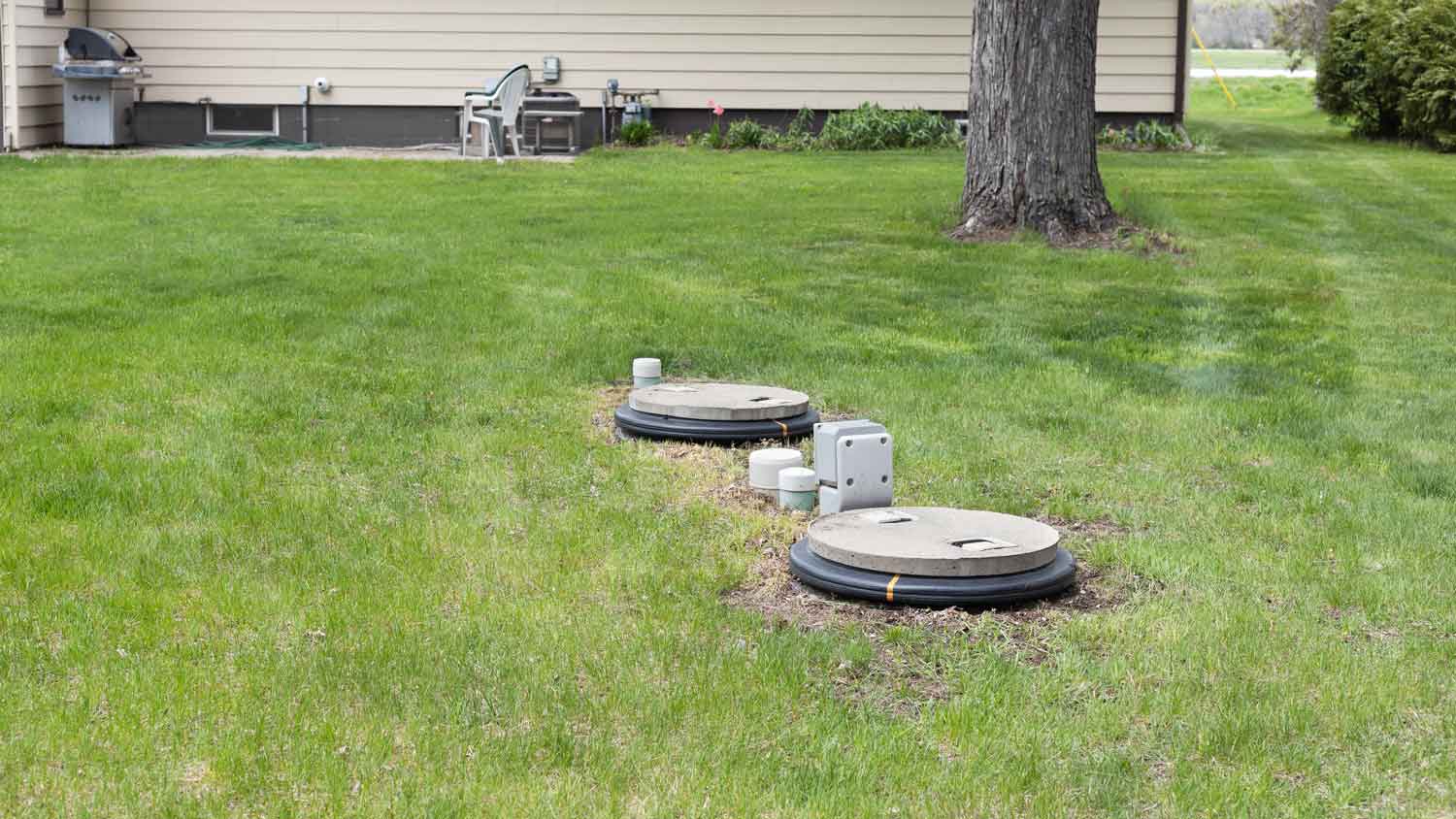
A perc test for septic analyzes the absorption rate of the soil where a tank is going to be installed. Learn more about the test, cost, and passing grades.

 4.6
4.6  2.1k+
2.1k+