




Top-rated asphalt driveway pros.

Get matched with top asphalt driveway pros in Flanagan, IL

Enter your zip and get matched with up to 5 pros

Need a pro for your asphalt driveway service project in Flanagan, IL?

Select your specific project to find the pro for you.

Find Asphalt driveway pros in Flanagan

Avatar for JG Property Maintenance
JG Property Maintenance
4.5(
2
)
Concrete Driveways & Floors - Install- For BusinessConcrete Driveways - Install

Serving Flanagan, IL and surrounding areas

In business since 2016

Warranties offered

Credit card accepted

"I liked booking my own appt. and they got back to me that evening. He told me who he would be sending out. Melvin came out took care of the problem and the cost was a fair price! Thank you I would recommend and I will use again! Sue mccullough Ottawa"
Response time9 hrs
Recommended by100%of homeowners

Showing 1-10 of 42
Asphalt Driveways questions, answered by experts

There’s no single best asphalt grade—it all comes down to where and how it’s used. Highways and heavy-traffic roads need something tough, like polymer-modified asphalt (PMA) or Stone Matrix Asphalt (SMA). Local roads and parking lots rely on the Performance Graded (PG) system, chosen based on climate. A PG 64-28 mix, for example, handles a broad temperature range while simpler, more cost-effective mixes are typically enough for residential driveways. The best grade of asphalt depends on traffic, weather, and your budget, which is why a professional’s input is always a smart move before making a decision.

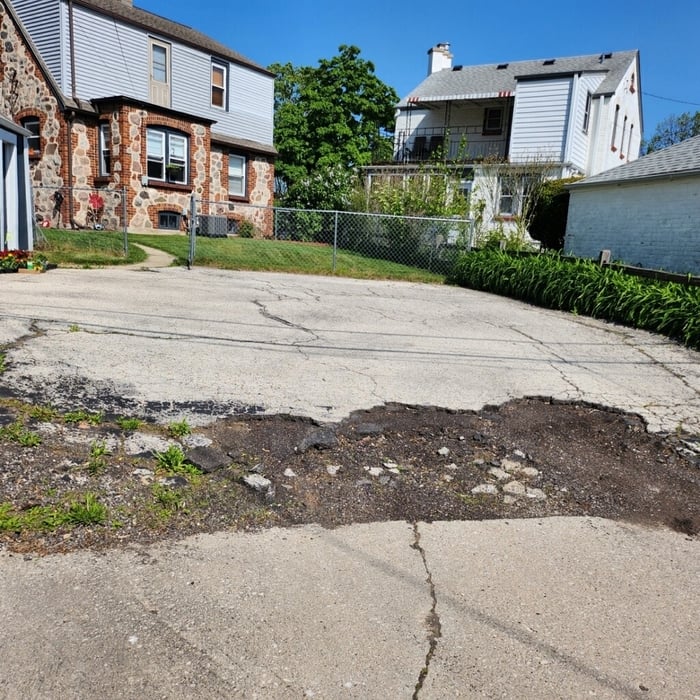
The decision to repair or replace your driveway depends on the extent of the damage. If your driveway has a few small cracks, a simple repair will do the trick. If you see larger cracks and potholes, it may be time to consider resurfacing or replacement. Resurfacing is a great option if more than 25% of the surface is damaged, but if the damage is extensive—deep cracks or significant sinking—it’s best to replace the driveway entirely. A new driveway, with proper care, can last decades while patching or resurfacing might only hold up for a few years before needing more attention.

You can expect your asphalt pavement to last anywhere from 20 to 30 years, or 25 years on average. The life expectancy of your asphalt driveway depends on the climate, the amount of traffic, and how well you maintain it. While you can’t necessarily control some of these factors, you can control the amount of maintenance effort you put into your driveway. 

To prevent your asphalt from deteriorating prematurely, you should follow a good maintenance routine involving regular cleaning, reparation work, and resealing.

Chip seal layers gravel and a liquid bitumen one at a time on-site, while asphalt directly pours a pre-combined mixture. Asphalt must be sealed, but it will last up to four times as long as chip seal driveways. Aesthetically, chip seal has a natural, rustic look compared to the traditional asphalt slab.
New asphalt goes through two stages: drying and curing. Drying typically takes 24 to 72 hours, after which the surface is solid enough for light use like walking or careful driving. While you may be able to park on it after 72 hours, the surface is still soft and should be treated gently. Full curing is a much longer process, taking anywhere from 30 days to a full year for the asphalt to reach maximum strength. During this extended curing period, the asphalt is susceptible to damage from heavy vehicles, sharp objects, and high temperatures. Factors like weather, the specific asphalt mix, and application thickness all influence drying and curing times. For the most accurate timeline and to ensure the longevity of your new asphalt, it is always best to consult with your installation contractor for their specific recommendations.

The Flanagan, IL homeowners’ guide to asphalt driveway services

From average costs to expert advice, get all the answers you need to get your job done.