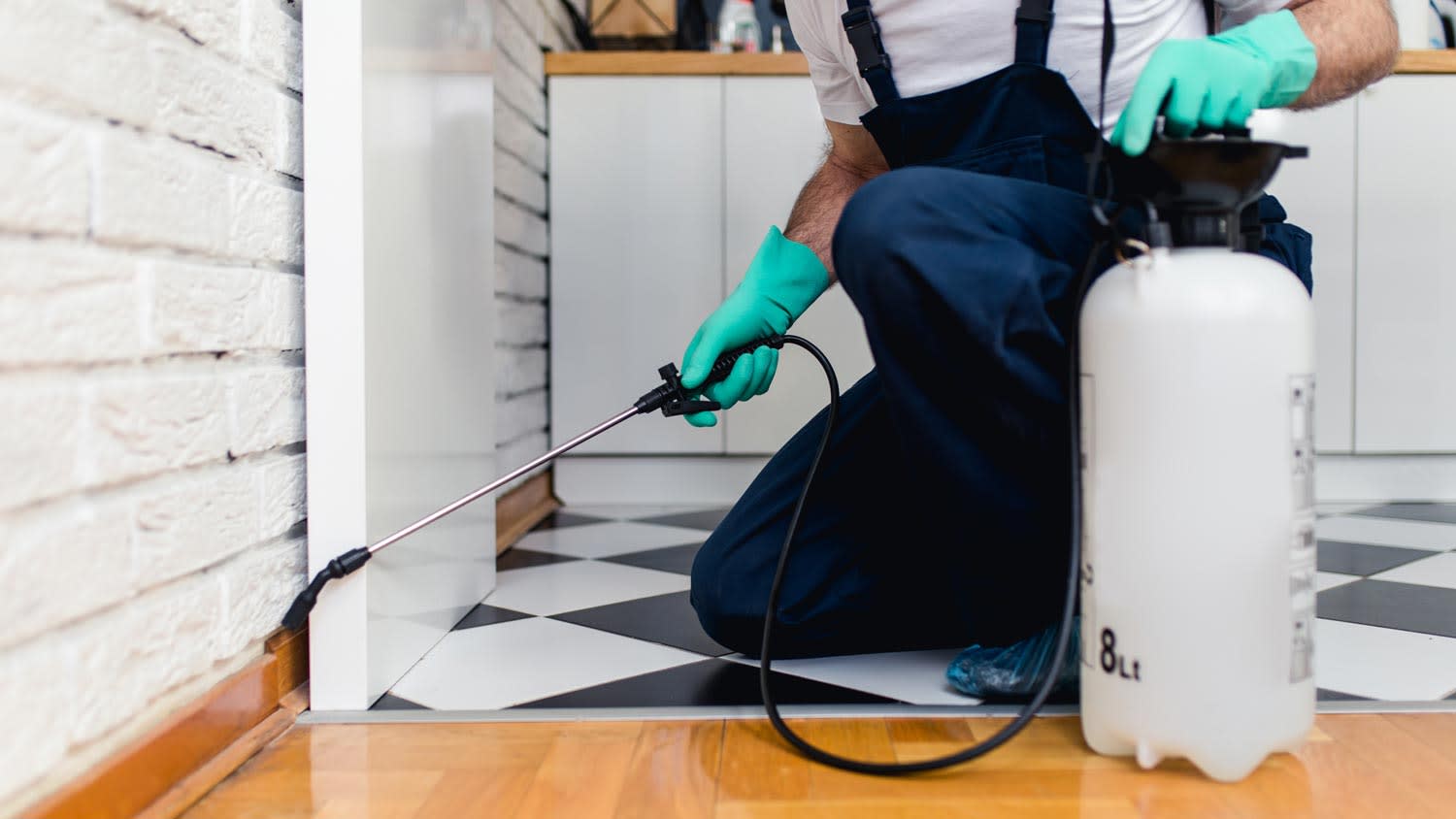







"Very knowledgeable guy who seem to know what he’s doing. Don’t know results of spraying. Have had much rain since. Will have to see if it worked. Terminex will spray again the beginning of next month."

"Well, we noticed we had termites pretty bad in the back yard and I got online and looked up what to do and the next day Terminex called us and was here that afternoon. I was very pleased with that. I don't have anything to compare it to but I feel like it was pretty expensive but I think as long as it gets rid of the bugs then it will be worth it. Thanks."
"United Air Temp was able to procure a replacement furnace controller board in a couple of days and Zachary was out within 4 days of the initial visit. The furnace now works very well."
Some stores sell smoke bombs to drive animals out of spaces, but we don’t recommend you use them, especially in an attic. The smoke can be toxic to humans or pets that may accidentally inhale it. Meanwhile, critters can easily escape the smoke by temporarily leaving the attic, only to return via their usual entry points after the smoke clears.
Raccoons are primarily crepuscular and nocturnal, meaning they are most active at dawn, dusk, and throughout the night. While less common, they may come out during the day to find food, especially in warm months or during the spring birthing season (April and May) when caring for their young. Seasonally, raccoons are active year-round and do not truly hibernate. However, during periods of severe cold, they will often remain in their dens for extended periods.
Seeing a termite swarm near your home is a strong indication that a colony is nearby, but it doesn’t always mean your home is infested. Swarmers may emerge from outdoor colonies or neighboring structures. However, if the swarm is inside your home or you notice discarded wings near windowsills, it likely means termites are nesting within your walls or foundation. A professional inspection is the best way to confirm and address a potential infestation ASAP.
Many services include pest removal as part of the repair process. Confirm with your provider.
A temperature of 119 degrees Fahrenheit will kill bed bugs and their eggs within 90 minutes. No temperature kills them instantly, but if exposed to high temperatures over extended periods, bed bugs will be killed off. Bed bug eggs must be exposed to the same temperature for 90 minutes to reach 100% mortality.
The Fairbury, IL homeowners’ guide to pest control services
From average costs to expert advice, get all the answers you need to get your job done.