





Top-rated arborists.

Get matched with top arborists in Elizabeth, IL

Enter your zip and get matched with up to 5 pros

Need a pro for your arboricultural service project in Elizabeth, IL?

Select your specific project to find the pro for you.

TRUSTED BY ELIZABETH, IL HOMEOWNERS

  • Average homeowner rating star icon4.1
    Average homeowner rating
  • Verified reviews icon32
    Verified arboricultural services reviews

Find Arborists in Elizabeth

Avatar for Elite Seamless Gutters, Inc.
Elite Seamless Gutters, Inc.
4.5(
401
)

Serving Elizabeth, IL and surrounding areas

Approved

In business since 1999

Free estimates

Emergency services offered

"We had a very large tree that needed to be removed in our backyard with very tight excess to it. Deven and the crew did a great job, no, they did an excellent job. From cutting down the tree to removal of all the limbs and grinding out the two stumps it was done very professionally. This company does and follows thru with everything they promise to do. We are so happy with the respectful way they treated us and our property. I would highly recommend this company. They are Great!"

Additional Photos
Additional Photos
Additional Photos
Additional Photos
Additional Photos

+5

Response time9 hrs
Response rate100%
11 neighbors recently requested a quote

Zach Keister Stump Removal
5.0(
1
)

Serving Elizabeth, IL and surrounding areas

Approved

In business since 2024

Free estimates

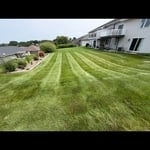
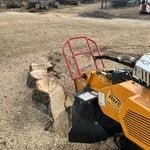
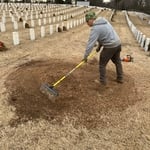
We are an upstart, locally-owned and operated, small business that specializes in tree stump removal, brush cleanup, downed-tree cleanup. We can also help by trimming and felling small trees. \n\nWhether it's storm damage you need cleaned up or you're just looking to create more space, we'll have your yard cleaned up and back on track to look good as new in no time.

Recommended by100%of homeowners
Schindler's Landscaping
New to Angi

Serving Elizabeth, IL and surrounding areas

In business since 2009

Free estimates

Company is committed to excellence in every aspect of our business. We uphold a standard of integrity bound by fairness, honesty, and personal responsibility. Our distinction is the quality of service we bring to our customers. Accurate knowledge of our trade combined with ability is what makes us true professionals. Above all, we are watchful of our customers' interests and make their concerns the basis of our business

Showing 1-10 of 25
Arborists questions, answered by experts

No, homeowners insurance typically does not cover the cost of removing a dead, sick, or rotting tree that is still standing. Insurance is designed to protect against sudden and unexpected accidents, whereas a tree dying or rotting over time is considered a maintenance issue. Coverage usually only applies after a tree has fallen and caused damage to your property.

If executed correctly your tree should survive after being transplanted to a new spot. However, effective transplanting requires six months, careful root pruning, safe transport to the new location, and replanting in prime soil conditions. You’ll also need an appropriately sized root ball for a complete tree transplant. A good rule of thumb is that, for every inch in diameter, your tree’s root ball needs to be around 11 inches. So a tree with a diameter of six inches needs a root ball of approximately 66 inches.

Trees provide many benefits, including shade, habitat for local wildlife, and cleaner air, so it’s always a good idea to try an alternative strategy like crown reduction before you chop one down. But sometimes, cutting down a tree is the only option (like if it’s severely diseased). A licensed arborist can assess the tree and recommend the best course of action.

Ivy eventually kills trees by restricting its growth, blocking sunlight, absorbing nutrients and water from the soil, and weakening the tree. Trees with ivy are more likely to experience diseases, pests, rot, and fungi growth. When ivy weighs down tree branches, the tree is more likely to break during a storm and cause damage.

Completely topping a plum tree is a risky business. Cut too much, and you’ll kill your tree. That said, you do need to trim the top of your tree to encourage bushy growth, maintain your tree’s vase shape, and limit size. 

A plum tree's central leader (or trunk) should never extend more than 3 feet above the highest branch. When you first plant your tree, cut the central leader so it’s 2 to 3 feet tall. As it grows, cut it back 12 to 20 inches until it reaches its desired height. Never prune more than one-third of the new growth.

The Elizabeth, IL homeowners’ guide to arboricultural services

From average costs to expert advice, get all the answers you need to get your job done.