






Top-rated tree service pros.

Get matched with top tree service pros in Danville, IL

Enter your zip and get matched with up to 5 pros

Need a pro for your tree service project in Danville, IL?

Select your specific project to find the pro for you.

TRUSTED BY DANVILLE, IL HOMEOWNERS

  • Average homeowner rating star icon4.3
    Average homeowner rating
  • Verified reviews icon27
    Verified tree services reviews

Find Tree service pros in Danville

Avatar for Brother in Law Tree Service
Brother in Law Tree Service
5.0(
20
)

Serving Danville, IL and surrounding areas

In business since 1990

Free estimates

Emergency services offered

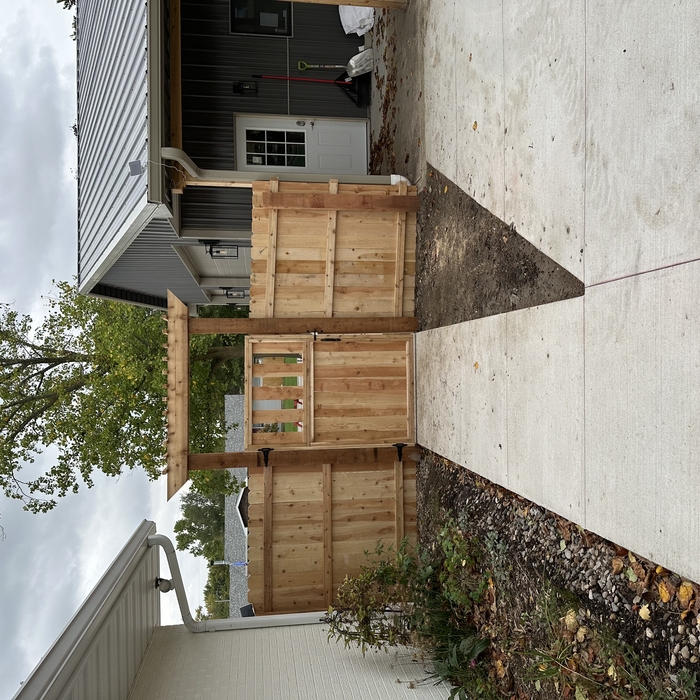
"We got many quotes before deciding to work with brother in law tree service. They offered the best price, showed up on time and did a wonderful job. I will call them for any future needs and would recommend them to anyone that asks. My experience couldn’t have been any better."
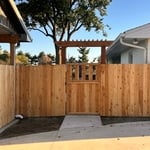
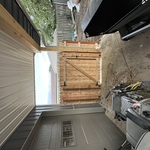
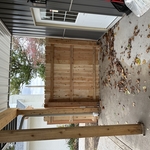
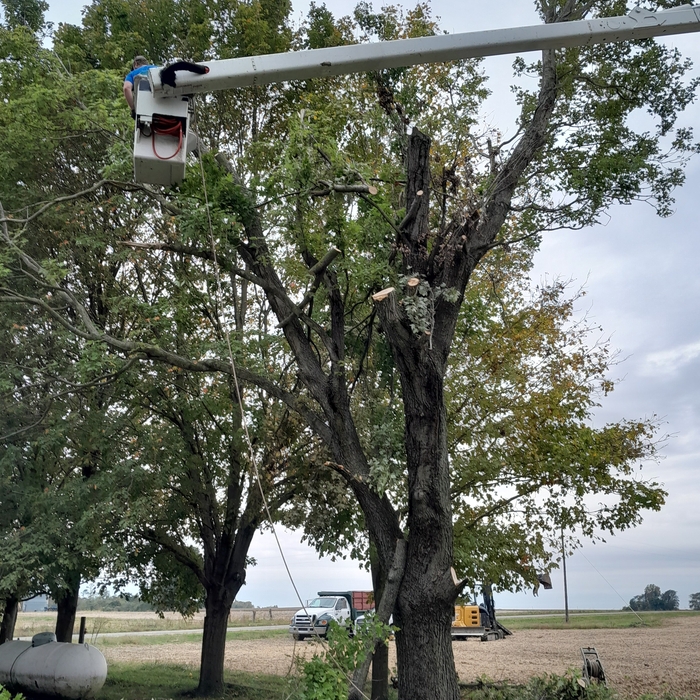
Additional Photos
Additional Photos
Additional Photos
Additional Photos
Additional Photos

+30

Recommended by100%of homeowners
Avatar for JBB Tree Service
JBB Tree Service
5.0(
6
)

Serving Danville, IL and surrounding areas

In business since 2022

Free estimates

Offers commercial services

"These people care about their customers. They do what they promise and beyond. They are prompt, work hard while on the job and leave their workplace as clean or cleaner than they found it. It is a pleasure to have them."
Response time1 day
Response rate90%
Recommended by100%of homeowners
Avatar for Block Arborcare
Block Arborcare
5.0(
3
)

Serving Danville, IL and surrounding areas

In business since 2024

Free estimates

"Connor went above and beyond. I had a very large tree limb fall and and go through a fence. He came out to give a quote and mentioned he could repair the fence as well. Work was completed in a timely manner and price was very fair. Will definitely recommend to anyone I know looking for tree work!"
Recommended by100%of homeowners
Showing 1-10 of 37
Tree Service questions, answered by experts

It is possible to cut down a tree on your property yourself, but it is generally not recommended unless specific conditions are met. You should only consider this project if the tree is small (e.g., under 4-5 inches in diameter and short enough that you don't need a ladder to reach the branches), and you are experienced in handling a chainsaw. The tree must also be located far from any power lines, fences, homes, or other structures. Even for small trees, the work can be dangerous, and it's always advisable to have a spotter to ensure the tree falls correctly and no branches fall on you.

For any tree that is large, requires a ladder to access, or is near electrical lines or structures, you should always hire a professional. Attempting to remove a large tree yourself is extremely dangerous, poses a risk of serious injury, and could result in significant damage to your property.

Before any tree removal, it's also important to check your local and state regulations to ensure the tree is not historic or otherwise protected by your city.

The best time to transplant a tree is when it is dormant. For many trees, this means either in the fall after the leaves have dropped (around October or November) or in early spring before new growth begins (around March). The ideal timing can depend on the type of tree. Deciduous trees do well when moved in early spring or fall, while evergreens are best transplanted in early spring or late summer. For example, pine trees are best moved in early fall, but maples prefer late fall. Avoid transplanting in winter, as the frozen or hard, cold soil poses a significant risk to the roots and prevents the tree from acclimating properly.

You should prune ornamental trees once every other year after the fruit has matured and begun to drop. You should also prune out dead branches whenever you see them. Pruning too often can stimulate more growth, especially in faster growing varieties like Bradford pears.

Common signs that a tree is rotting include dead branches, a leaning trunk, peeling or cracked bark, leaf discoloration, and the presence of fungi. If you notice any of these signs, it’s best to hire an arborist near you to inspect your tree and determine if it can be saved or if it needs to come down.

It takes anywhere from three to seven years for a stump to decompose on its own. This timeframe can depend on the kind of tree and your climate. The lower to the ground the stump is, the faster it rots. If you kill a tree stump with salt, boiling water, herbicide, light deprivation, or burning, the tree stump decomposes faster. 

The Danville, IL homeowners’ guide to tree services

From average costs to expert advice, get all the answers you need to get your job done.