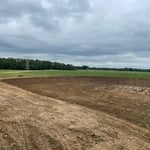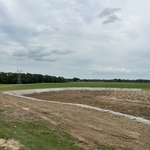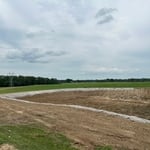
"From start to finish, he was fantastic, friendly, and made sure I got what exactly what I wanted. The guy he had come out Work. We’re also very professional and made sure that nothing was left behind Trash or anything else. I was extremely pleased with the job that they had done!"
UTRERA LANDSCAPING is a family-owned and operated landscaping, hardscaping, and concrete company dedicated to transforming outdoor spaces with craftsmanship, care, and commitment. With deep roots in our community, we bring decades of hands-on experience and a personal touch to every project whether itÂ’s designing a lush, functional landscape, installing beautiful and durable hardscape features, or pouring high-quality concrete that stands the test of time. We specialize in a full range of residential and commercial services, including landscape design and maintenance, paver patios and walkways, retaining walls, driveways, decorative concrete, stamped concrete, and more.
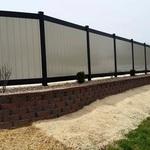
"Kevin & crew have done several jobs for me over the past from lawn mowing,yard cleanup,& most recently a retaing wall. Always courteous, timely,& offering suggestions or advised recommendations"
"Quick response to my request on Friday and demolition the next Monday. The demolition and removal took less than an hour. I am pleased because the dilapidated shed was in the way of my next home improvement project. I told Alan I was leaving for vacation Monday morning. He was on site at 7:15 am."
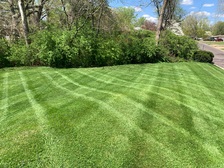
"Iâ d definitely recommend Cherokee Outdoors. Itâ s lower cost than most corporate companies and heâ s proven that he will take care of my yard like its his. It looks better every time and he provides excellent customer service by showing up on time and efficiently communicating. Itâ s easier for me to go through Cherokee Outdoors rather than a large corporation."
Sewer lines can be buried anywhere from 18 inches to 8 feet deep, with a common average depth between 18 and 30 inches. The exact depth depends on local factors like climate and soil type. In colder regions, pipes must be buried deeper (below the frost line) to prevent freezing, sometimes as deep as 8 feet. The digging depth can also impact the cost of sewer line replacement. To find the specific depth for your property, you can check the building plans for your system, which should be on file with your city or local sanitation department since permits are required for installation.
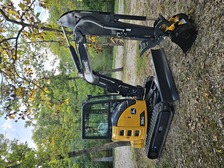
Yes, an excavation company is the best option for land grading and yard leveling. General landscapers might be able to tackle these projects, but an excavation company will do a better job because they’re used to operating the necessary heavy machinery. Landscapers might opt to do the work manually, which takes much longer and could cost you more in labor fees. Finally, excavation companies will understand local regulations and know when you need permits to legalize the work, while a landscaper might not.
Trenching is a specific kind of digging. Trenching means digging a depression in the earth that’s deeper than it is wide, often with heavy machinery. Digging refers to any kind of removal of earth in order to create a human-made depression, hole, or cut in the earth’s surface. You can dig with big tools or even with just a hand shovel.
If you’re planning to dig on your property, you’ll need to check for underground utility lines. Call the national call-before-you-dig 811 number. Once connected to an operator, you can schedule a site visit to mark underground lines. This way, you won’t accidentally dig into pipes and can cause major (read: costly) issues.
Yes, trenchers can go through gravel. Gravel is made up of smaller, softer rocks that certain trenchers are able to cut through. Just be sure to use a rock wheel trencher or chain trencher, both of which are made to cut through rocky landscapes and gravel pathways without dulling the teeth or chain.
The Columbia, IL homeowners’ guide to excavation services
From average costs to expert advice, get all the answers you need to get your job done.
Find out the average excavation cost in St. Louis, MO. Learn what you can expect to pay for local site prep and grading to get your project started right.
Excavation costs $1,500 to $6,300 for most residential projects—but it depends on factors like the size of the area. This guide will help you plan a budget.