



Top-rated excavation pros.

Get matched with top excavation pros in Shiloh, IL

Enter your zip and get matched with up to 5 pros

Need a pro for your excavation project in Shiloh, IL?

Select your specific project to find the pro for you.

TRUSTED BY SHILOH, IL HOMEOWNERS

  • Average homeowner rating star icon4.7
    Average homeowner rating
  • Verified reviews icon31
    Verified excavation services reviews

Find Excavation pros in Shiloh

Avatar for UTRERA LANDSCAPING LLC
UTRERA LANDSCAPING LLC
5.0(
11
)

Serving Shiloh, IL and surrounding areas

Approved

In business since 2020

Free estimates

Credit card accepted

UTRERA LANDSCAPING is a family-owned and operated landscaping, hardscaping, and concrete company dedicated to transforming outdoor spaces with craftsmanship, care, and commitment. With deep roots in our community, we bring decades of hands-on experience and a personal touch to every project whether itÂ’s designing a lush, functional landscape, installing beautiful and durable hardscape features, or pouring high-quality concrete that stands the test of time. We specialize in a full range of residential and commercial services, including landscape design and maintenance, paver patios and walkways, retaining walls, driveways, decorative concrete, stamped concrete, and more.

2 neighbors recently requested a quote
Recommended by9%of homeowners
Avatar for Pfeil Landscaping, Inc.
Pfeil Landscaping, Inc.
3.9(
60
)

Serving Shiloh, IL and surrounding areas

Approved

In business since 2000

Free estimates

Emergency services offered

"Showed up on time, returned all calls, answered all questions, went above and beyond when working on my French drain. Would definitely hire again."
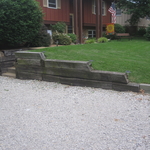
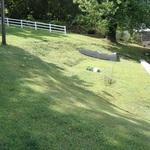
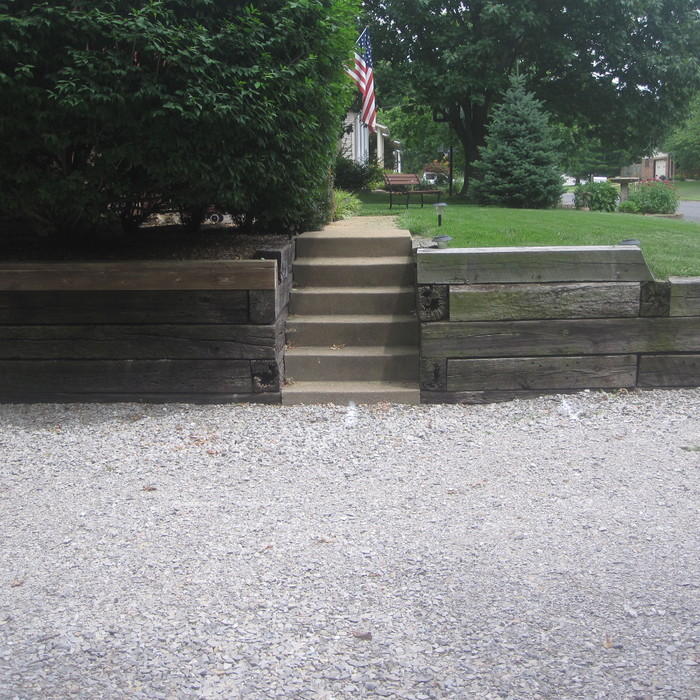
before of retaining wall
 before looking towards the south
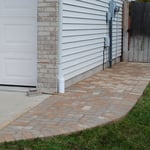
Pavers4x8 Color: Bethany Ledge Herringbone Pattern
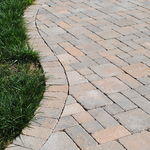
 Close up of boarder and pattern color: Timberwood
 before

+22

Response time10 hrs
3 neighbors recently requested a quote
Recommended by100%of homeowners
...
Showing 1-10 of 147
Excavating questions, answered by experts

No, you typically cannot use metal detectors to find your sewer line. Most sewer lines are made of non-metallic materials such as PVC, clay, or cast iron, which are not detectable by standard metal detectors. Metal detectors are designed to locate metallic objects, so they won't be effective for identifying the path of a non-metallic sewer line. To locate your sewer line accurately, it's best to use other methods.

There are several methods to hollow out a tree stump, and the best one depends on your tools, experience, and priorities. Common methods include using a chisel and hammer, a chainsaw, or burning.

  • Chisel and Hammer: This is often considered the easiest approach for those with limited tools or experience, though it is the most time-consuming.

  • Chainsaw: Using a chainsaw is the fastest method, but it comes with significant safety risks, especially for inexperienced users.

  • Burning: This can be an effective method, but it is not recommended unless you can first drill holes into the stump. Without holes, the stump will be difficult to light and may not burn completely through.

A power drill with at least a ⅜-inch diameter bit can make the job quicker and easier, regardless of the primary method. While you can use a chisel or chainsaw without a drill, it will require more time and effort. Always wear protective goggles and thick gloves, as splinters are an inevitable risk.

You can bury underground electrical wire six inches deep—but only if you use a rigid metal electrical conduit. For rigid, non-metallic conduits, bury the wire at least 12 inches deep. If using an underground feeder cable rated for direct burial, you'll need to place it at least 18 inches deep, as it has no conduit for extra protection.

As a general rule, the protected area should be about 1½ times as wide as the canopy of the tree’s leaves. This digging measurement can vary by tree species and the age of the tree. Of course, that can be a lot of fencing for larger trees, which is why our first step is about making difficult decisions on which trees to save.

Most residential basements are 8 to 10 feet deep. You can dig deeper depending on building codes, but it does become more difficult. You’ll likely need to install stronger foundation walls and additional supports to handle the increased load. Depending on the water table, you may also need a water management system. Clay soil can support a deeper foundation than sandy soil. A structural engineer will be able to tell you the maximum, feasible depth.

The Shiloh, IL homeowners’ guide to excavation services

From average costs to expert advice, get all the answers you need to get your job done.