


Top-rated generator install pros.

Get matched with top generator install pros in Centralia, IL

Enter your zip and get matched with up to 5 pros

Need a pro for your generator install project in Centralia, IL?

Select your specific project to find the pro for you.

Find Generator install pros in Centralia

ADS Electric Company LLC
New to Angi

Serving Centralia, IL and surrounding areas

Approved

In business since 1999

Free estimates

Offers commercial services

We are a locally owned and operated company. We value honesty and integrity in all aspects of our business. We offer a variety of home improvement services that are customized to each individual project. We pride ourselves on the quality of our work, as well as our commitment to outstanding results. We look forward to building lasting relationships with our clients and guarantee your satisfaction!

Response time3 hrs
Avatar for Tiger Services, LLC
Tiger Services, LLC
3.3(
249
)

Serving Centralia, IL and surrounding areas

In business since 1993

Emergency services offered

Warranties offered

"Technicians worked on two projects; electrical repair of a dawn to dusk light and the installation of a new toilet. The work was professionally assessed and completed. I would use the company for future repairs. However, I felt the cost of the electrical repair was a bit overpriced."
November 2020 Project
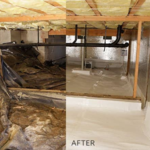
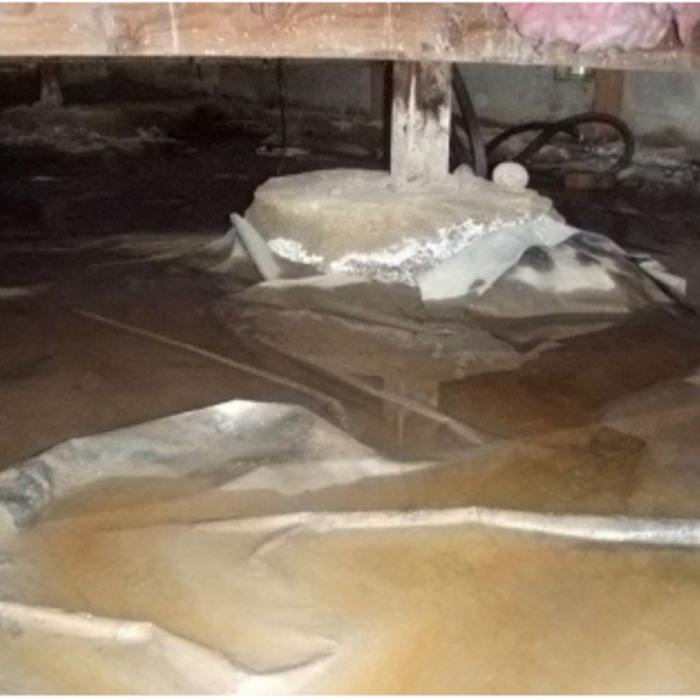
Does Your Crawlspace Look Like This?
Without Spray Foam Barrier
With Spray Foam Barrier
Without Tiger Signature Drainage Matting

+27

Response time1 day
Recommended by79%of homeowners
Showing 1-10 of 15
Generator Install questions, answered by experts

Whole-house generators need to be installed on level ground several feet away from walls and other objects. Because they tap into the electrical system directly, they usually need to be close to your home electrical panel for a transfer switch installation. It also helps with installation if they are near to a gas line or propane tank installation.

Yes, in most municipalities, you will need a permit to install a permanent home generator, including emergency backup, partial-home, and whole-home models. Because these installations involve significant alterations to your home's electrical system and produce exhaust fumes, local governments often require a permit or inspection for safety purposes. A generator permit typically costs between $50 and $250, depending on your location. Your electrician or certified installer can usually handle the permitting process for you, but you will be responsible for the cost. It's a good practice to confirm with your installer that they will pull all necessary permits before work begins.

DIY is possible for basic setups. Professional installation ensures safe and proper electrical connections.

To determine the right size generator for your house, you should calculate the total wattage of the appliances and devices you want to power during an outage. List all essential items, note their start-up wattages, and add them together.

Here are some typical wattage requirements for common appliances:

  • Refrigerator: 600 watts

  • Large dehumidifier: 700 watts

  • Large window air conditioner: 1,400 watts

  • Water heater: 3,000 to 4,500 watts

  • Electric furnace: 5,000 to 25,000 watts

A 7,500-watt generator might be sufficient for essentials like a refrigerator, freezer, well pump, and lighting circuits. However, for high-demand items like a water heater or furnace, a whole-home generator is a better choice. A portable generator may be enough if you only need to power a few critical items.

While home square footage can offer a rough estimate, it is not always a reliable indicator. For reference, here are some typical generator sizes based on square footage:

  • 1,000 sq ft: 6–9 kW

  • 1,500 sq ft: 7–10 kW

  • 2,000 sq ft: 10–14 kW

  • 2,500 sq ft: 12–16 kW

  • 3,000 sq ft: 16–20 kW+

For the most accurate sizing, consult a professional who can calculate your home's peak and average power consumption and recommend the optimal generator.

Carbon monoxide emissions aren’t only dangerous to human life, but they also harm our planet. While natural gas generators emit lower levels of CO than other fuel sources, there are still ways to reduce emission levels. For example, shop around for an eco-friendly generator that complies with current emission standards. Also, make sure your generator is serviced regularly to avoid CO buildup. 

The Centralia, IL homeowners’ guide to generator installs

From average costs to expert advice, get all the answers you need to get your job done.