





Top-rated generator install pros.

Get matched with top generator install pros in Sandoval, IL

Enter your zip and get matched with up to 5 pros

Need a pro for your generator install project in Sandoval, IL?

Select your specific project to find the pro for you.

Find Generator install pros in Sandoval

ADS Electric Company LLC
New to Angi

Serving Sandoval, IL and surrounding areas

Approved

In business since 1999

Free estimates

Offers commercial services

We are a locally owned and operated company. We value honesty and integrity in all aspects of our business. We offer a variety of home improvement services that are customized to each individual project. We pride ourselves on the quality of our work, as well as our commitment to outstanding results. We look forward to building lasting relationships with our clients and guarantee your satisfaction!

Response time3 hrs
Avatar for Tiger Services, LLC
Tiger Services, LLC
3.3(
249
)

Serving Sandoval, IL and surrounding areas

In business since 1993

Emergency services offered

Warranties offered

"Technicians worked on two projects; electrical repair of a dawn to dusk light and the installation of a new toilet. The work was professionally assessed and completed. I would use the company for future repairs. However, I felt the cost of the electrical repair was a bit overpriced."
November 2020 Project
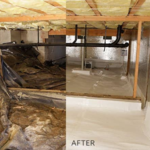
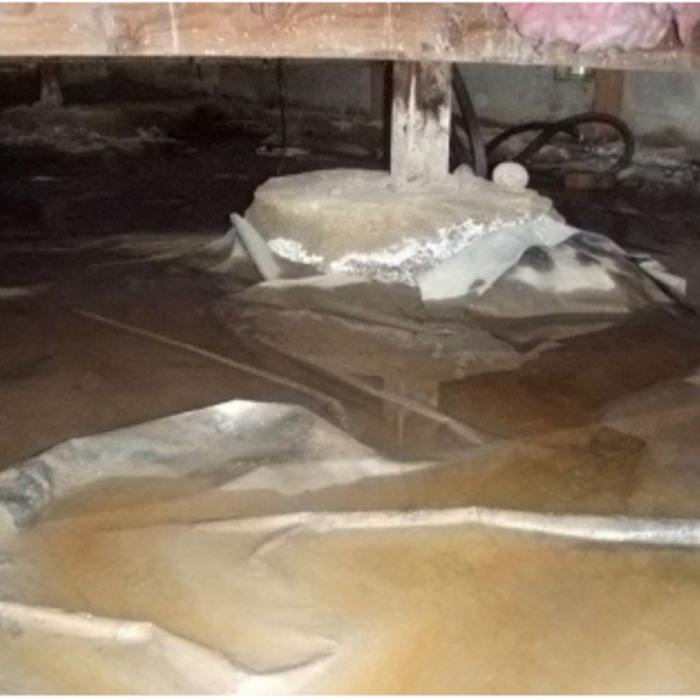
Does Your Crawlspace Look Like This?
Without Spray Foam Barrier
With Spray Foam Barrier
Without Tiger Signature Drainage Matting

+27

Response time1 day
Recommended by79%of homeowners
Showing 1-10 of 14
Generator Install questions, answered by experts

No, you should never plug a generator directly into a wall outlet in your house. This practice is extremely dangerous, often illegal, and can cause "back-feeding," where power from the generator flows back into utility lines, creating a life-threatening hazard for utility workers. It can also damage your home's electrical system, including appliances like pumps and HVAC fans. If the main power is restored while the generator is connected, it can destroy the generator and cause an electrical fire. To safely connect a generator, you must use a professionally installed transfer switch or an interlocking kit, which prevents back-feeding by disconnecting your home from the utility grid before the generator provides power.

While standby generators provide essential backup power, they can fail when you need them most due to lack of maintenance, fuel supply issues, dead batteries, electrical problems, or improper installation. To avoid costly failures, professional installation and regular maintenance are crucial. Licensed technicians ensure safety, uphold warranty requirements, comply with regulations, and provide expert servicing.

Whole-house generators can run continuously for extended periods, even for weeks at a time (around 400 to 500 hours), as long as they have a sufficient fuel supply. However, this type of extensive use will increase wear and tear and can shorten the generator's overall lifespan. During long periods of operation, it's important to check and refill the engine oil as needed, potentially as frequently as daily depending on the model. If your generator uses a fuel tank, ensure it is kept full to prevent unexpected shutdowns.

Yes, in some locations, it is required by the National Electric Code (NEC) to have a transfer switch installed for electrical emergencies. In addition to following electrical code, generator transfer switches ensure your home is fully protected during a power outage. By switching the power from the main breaker to the generator breaker, you can seamlessly operate your HVAC, lights, appliances, devices, and more during an emergency. 

Sizing a generator is a careful process that requires calculating the electrical load of your entire house. You have to take into account every device you want to use and their wattage requirements, plus the wattage needed to start them, and look for a generator that can safely run all that at around 80% capacity.

In more practical terms, a small home can run on a 10,000-watt generator (and if you only want to power a few key appliances, much less than that). A mid-sized home may need something between 15,000 and 22,000 watts. Larger homes require 25,000 watts or more. 

The Sandoval, IL homeowners’ guide to generator installs

From average costs to expert advice, get all the answers you need to get your job done.