





Top-rated generator install pros.

Get matched with top generator install pros in Odin, IL

Enter your zip and get matched with up to 5 pros

Need a pro for your generator install project in Odin, IL?

Select your specific project to find the pro for you.

Find Generator install pros in Odin

ADS Electric Company LLC
New to Angi

Serving Odin, IL and surrounding areas

Approved

In business since 1999

Free estimates

Offers commercial services

We are a locally owned and operated company. We value honesty and integrity in all aspects of our business. We offer a variety of home improvement services that are customized to each individual project. We pride ourselves on the quality of our work, as well as our commitment to outstanding results. We look forward to building lasting relationships with our clients and guarantee your satisfaction!

Response time3 hrs
Avatar for Tiger Services, LLC
Tiger Services, LLC
3.3(
249
)

Serving Odin, IL and surrounding areas

In business since 1993

Emergency services offered

Warranties offered

"both certified plumbers were GREAT today...glad things were fixed under my manufactured home,,,puts me more at ease....different Tiger guys will be here on Thursday to fix something else under ,y home....ALWAYS like the way the Tiger guys do their work. Chyrel W"
November 2020 Project
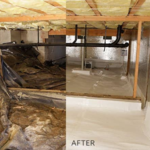
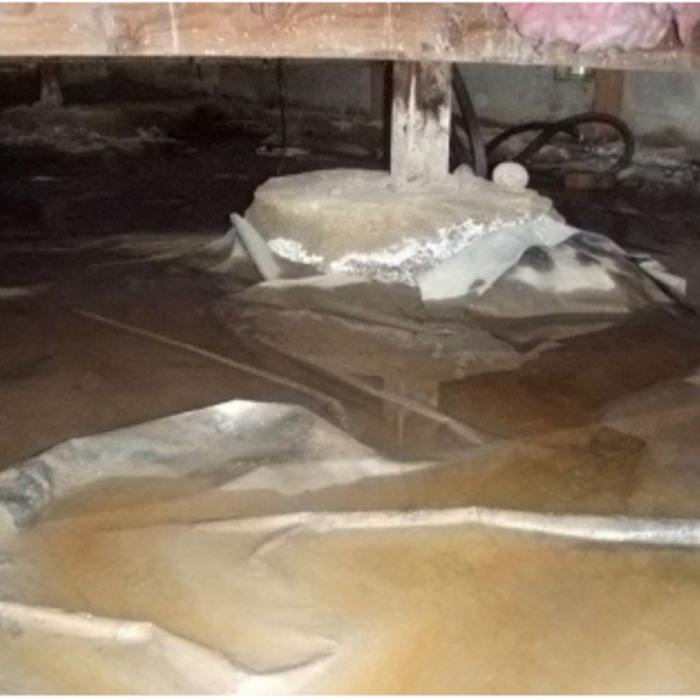
Does Your Crawlspace Look Like This?
Without Spray Foam Barrier
With Spray Foam Barrier
Without Tiger Signature Drainage Matting

+27

Response time1 day
Recommended by79%of homeowners
Showing 1-10 of 13
Generator Install questions, answered by experts

Whole-house generators can run continuously for extended periods, even for weeks at a time (around 400 to 500 hours), as long as they have a sufficient fuel supply. However, this type of extensive use will increase wear and tear and can shorten the generator's overall lifespan. During long periods of operation, it's important to check and refill the engine oil as needed, potentially as frequently as daily depending on the model. If your generator uses a fuel tank, ensure it is kept full to prevent unexpected shutdowns.

It is safe to run a generator continuously, but you must follow safety protocols to ensure personal and home safety. Read the manufacturer’s instructions for specific recommendations, but the general recommendation is to turn generators off overnight or when you’re away from the house. Overworked generators can pose a fire hazard and if your generator is not in a well-ventilated area, running it continuously could lead to carbon monoxide poisoning.

Portable generators provide backup power for essential appliances during outages and are easy to relocate.

The cost to install a whole-house generator averages $5,200, with a typical price range of $1,500 to $8,900. However, total costs can vary from $400 for a small portable unit to over $18,000 for a large-capacity system. The most significant cost factor is the generator's size and capacity, but other variables include the brand, fuel type, and labor for assembly and installation.

Generator costs can be broken down by type:

  • Portable or Emergency Backup Generators (1kW–7.5kW): $500 to $2,000

  • Partial-Home Generators (9kW–20kW): $2,000 to $6,500

  • Whole-House Generators (22kW–48kW): $5,000 to $18,000

To avoid paying for more power than you need, consider hiring an electrician to calculate the electrical load for your essential appliances. It is also recommended to get at least three quotes to find the best deal for your specific needs and budget.

To determine the right size generator for your house, you should calculate the total wattage of the appliances and devices you want to power during an outage. List all essential items, note their start-up wattages, and add them together.

Here are some typical wattage requirements for common appliances:

  • Refrigerator: 600 watts

  • Large dehumidifier: 700 watts

  • Large window air conditioner: 1,400 watts

  • Water heater: 3,000 to 4,500 watts

  • Electric furnace: 5,000 to 25,000 watts

A 7,500-watt generator might be sufficient for essentials like a refrigerator, freezer, well pump, and lighting circuits. However, for high-demand items like a water heater or furnace, a whole-home generator is a better choice. A portable generator may be enough if you only need to power a few critical items.

While home square footage can offer a rough estimate, it is not always a reliable indicator. For reference, here are some typical generator sizes based on square footage:

  • 1,000 sq ft: 6–9 kW

  • 1,500 sq ft: 7–10 kW

  • 2,000 sq ft: 10–14 kW

  • 2,500 sq ft: 12–16 kW

  • 3,000 sq ft: 16–20 kW+

For the most accurate sizing, consult a professional who can calculate your home's peak and average power consumption and recommend the optimal generator.

The Odin, IL homeowners’ guide to generator installs

From average costs to expert advice, get all the answers you need to get your job done.