


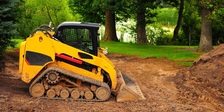
Top-rated excavation pros.

Best excavation pros near Jerseyville, IL

Enter your zip and get matched with up to 5 pros

Need a pro for your excavation project in Jerseyville, IL?

Select your specific project to find the pro for you.

Top-Rated Excavation pros in Jerseyville - Updated Nov 2026

Avatar for Keeney Construction Excavation
Keeney Construction Excavation
4.9(
11
)
Excavation - Major Grading or ReslopingExcavation - Major Grading or Resloping - For Business

Serving Jerseyville, IL and surrounding areas

Approved

In business since 2022

Free estimates

Credit card accepted

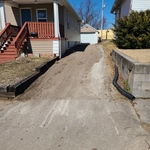
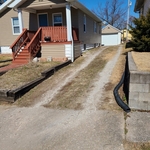
"Martin was very professional. He showed up on time on a Saturday and re graded my driveway, installed a new culvert and also went above and beyond and graded my lane without being asked and for no extra charge! Highly recommended and will definitely be using him for future projects!"
Response time1 day
Response rate95%
2 neighbors recently requested a quote
Avatar for Green Outdoors
Green Outdoors
5.0(
12
)
Building Site - Preparation and ClearingExcavation - Major Grading or ReslopingLandscape - Minor Grading or Resloping

Serving Jerseyville, IL and surrounding areas

Approved

In business since 2025

Free estimates

Offers commercial services

"The work completed was exemplary! He knew what we needed done and he did exactly that. All work was performed in a timely manner which kept the cost to a minimum. You can't ask for more than that... I will definitely recommend Green Outdoors to anyone who needs property cleared!"
Green Outdoors
Response time1 day
Response rate100%
1 neighbors recently requested a quote
Avatar for AB excavation
AB excavation
New to Angi
Building Site - Preparation and ClearingExcavation - Major Grading or Resloping

Serving Jerseyville, IL and surrounding areas

Approved

Free estimates

Small jobs welcome

Credit card accepted

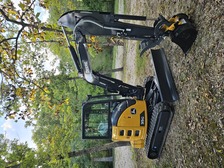
AB Excavation is a locally owned and operated excavation and land clearing company based in Highland, Illinois.\nWe specialize in land clearing, grading, and site preparation for residential and small commercial projects. Our work includes Fences, small lot clearing, new home site prep, demolition and haul-off, pond and water feature excavation, and culvert installation.\n\nWe take pride in doing the job right the first time, showing up when we say we will, and communicating clearly with our customers from start to finish. Whether it’s clearing property, prepping a build site, or handling drainage work, we focus on quality workmanship, efficiency, and fair pricing.\n\nWe serve Highland and the surrounding areas and work closely with homeowners, builders, and property owners to get projects completed safely and on schedule.

...
Showing 1-10 of 76
Excavating FAQs, answered by experts

In the United States, a depth of 36 inches (three feet) for underground water lines is the accepted industry standard. This depth varies from location to location based on local conditions. In areas with colder winters, they may be buried deeper to prevent frozen well water pipes : This is usually at least six inches below the frost level. The International Plumbing Code calls for a minimum of 12 inches below grade.

Slab foundations are more affordable than crawl spaces because they require minimal excavation, as the slab sits directly on the ground or on footers that only sink a few feet into the ground. Crawl spaces require excavation of the entire footprint of the home to several feet below the surface. Not only does that mean higher labor costs, but more materials are necessary for the concrete foundation walls.

Most residential basements are 8 to 10 feet deep. You can dig deeper depending on building codes, but it does become more difficult. You’ll likely need to install stronger foundation walls and additional supports to handle the increased load. Depending on the water table, you may also need a water management system. Clay soil can support a deeper foundation than sandy soil. A structural engineer will be able to tell you the maximum, feasible depth.

There is no standard depth for burying a septic tank; they are typically buried anywhere from 4 inches to 4 feet underground. The final depth depends on several factors, including the depth of your main sewer line, the height of the bedrock, soil type, local regulations, and the property's landscape. If you plan to grow grass or plants over the tank, a depth of at least 4 to 6 inches is recommended. Deeper tanks can be more difficult to locate, but a septic professional can help find it for you.

While you can save some money by digging your own pool, you may end up paying more in construction equipment rental fees in the long run. You could, however, focus your DIY energies on lowering the cost of leveling your lawn for your pool or filling in surrounding landscaping after construction.

The Jerseyville, IL homeowners’ guide to excavation services

From average costs to expert advice, get all the answers you need to get your job done.