


Top-rated drywall pros.

Best drywall pros near Bunker Hill, IL

Enter your zip and get matched with up to 5 pros

Need a pro for your drywall service project in Bunker Hill, IL?

Select your specific project to find the pro for you.

Top-Rated Drywall pros in Bunker Hill - Updated Nov 2026

protapers
New to Angi
Drywall - InstallDrywall - Install - For BusinessDrywall - Repair+1 more

Serving Bunker Hill, IL and surrounding areas

Approved

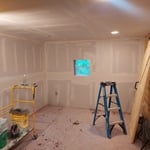
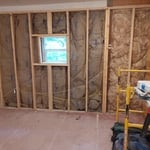
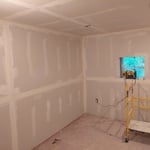
Hi, this is ProTapers! We specialize in high-quality drywall installation and professional taping/finishing. With over 20 years of experience (serving clients since 2003), we take pride in delivering smooth, clean finishes that are ready for paint.\n\nWhether you need new drywall, repairs, or full taping services, we handle jobs of all sizes with attention to detail and reliable turnaround times.\n\n✔ Drywall installation & repair\n✔ Taping, mudding, and finishing\n✔ Smooth, paint-ready results\n✔ Over 20 years of experience\n\nWe’re committed to getting the job done right the first time. Feel free to reach out for a quote or to discuss your project!\n\n— ProTapers

AP Drywall Services
New to Angi
Drywall - InstallDrywall - Install - For BusinessDrywall - Repair+1 more

Serving Bunker Hill, IL and surrounding areas

Approved

In business since 2023

Offers commercial services

AP Drywall Services is committed to excellence in every aspect of our business. \nWe uphold a standard of integrity bound by fairness, honesty, and personal \nresponsibility. Our distinction is the quality of service we bring to our customers. \nAccurate knowledge of our trade combined with ability is what makes us true \nprofessionals. Above all, we are watchful of our customers' interests and make \ntheir concerns the basis of our business.

Response time40 mins
Response rate100%
...
Showing 1-10 of 95
Drywall FAQs, answered by experts

Although they are used for similar tasks, spackle and joint compound are not the same. Joint compound, also known as drywall mud, consists of limestone and gypsum and is primarily used for large-scale projects like taping and finishing seams on new drywall. Spackle is composed of gypsum and binding agents, making it a thicker compound best suited for small wall repairs like filling nail holes or cracks, as it dries quickly and is easy to sand. For small repairs, either product can be suitable. However, you can use joint compound for small jobs in place of spackle, but you cannot use spackle for large-scale taping and mudding projects.

Whether you apply the drywall mesh before or after drywall mud depends on the type of patch it is. For self-adhesive patches, you’ll put the patch down first and then coat it with mud. Mesh patches that are not self-adhesive will require you to put mud down first and then press the mesh into it, followed by additional coats of mud.

This depends on how much plaster is applied and in how many layers, but a decent estimate is around 150 square feet. If you are applying only two coats on a small wall, there is a chance you may only need one or two gallons for the entire project. If you are plastering a large living room wall with high ceilings, using one of the more involved techniques–like Scagliola–that requires several coats, expect the project materials costs to add up quickly. 

With its breathability and flexibility, lime plaster is among the most durable of all plaster types. It's also fire-resistant and has a proven track record, as people have been using it for thousands of years.

However, all plaster types will last for many years with the right care and treatment. Proper preparation and installation will also help ensure your plaster walls look great for as long as possible.

Whether to repair or replace water-damaged plaster depends on the scale of the damage. For small, limited areas, you can often perform a repair yourself. If you choose to paint over small patches, ensure the surface is completely dry and apply a coat of antifungal primer first to prevent mold growth. However, simply painting or plastering over the damage is only a temporary solution that doesn't address the core problem. For more extensive or long-term damage, the plaster may be compromised, and there is a risk of mold. In these cases, it is recommended to remove the damaged section of plasterboard and replace it. You may consider hiring a professional for the repair, and it's worth noting that water damage is often covered by home insurance.

The Bunker Hill, IL homeowners’ guide to drywall services

From average costs to expert advice, get all the answers you need to get your job done.