





Top-rated excavation pros.

Get matched with top excavation pros in Bridgeport, IL

Enter your zip and get matched with up to 5 pros

Need a pro for your excavation project in Bridgeport, IL?

Select your specific project to find the pro for you.

Find Excavation pros in Bridgeport

Avatar for Next Gen Earthworks
Next Gen Earthworks
5.0(
5
)

Serving Bridgeport, IL and surrounding areas

Approved

In business since 2020

Free estimates

Emergency services offered

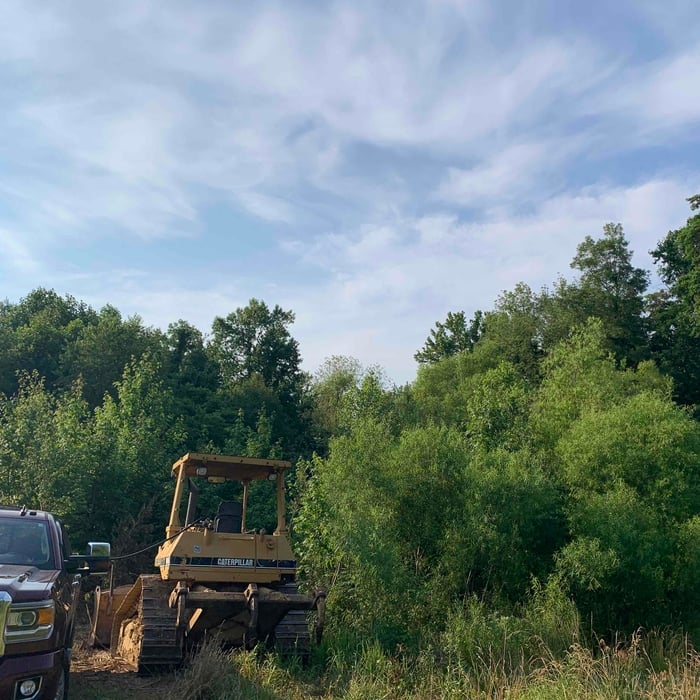
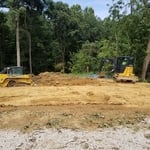
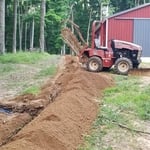
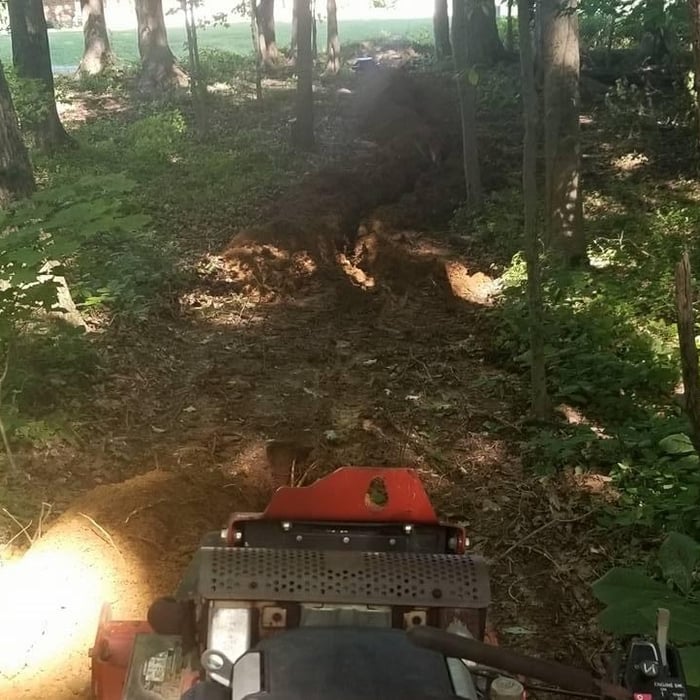
"They did an amazing job! I would very highly recommend! Work was very thorough and company replied quickly. Very nice people and they don't quit until job is finished. Please contact them for your excavating needs!!"
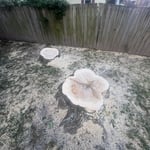
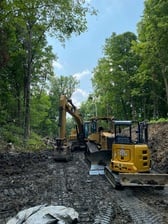
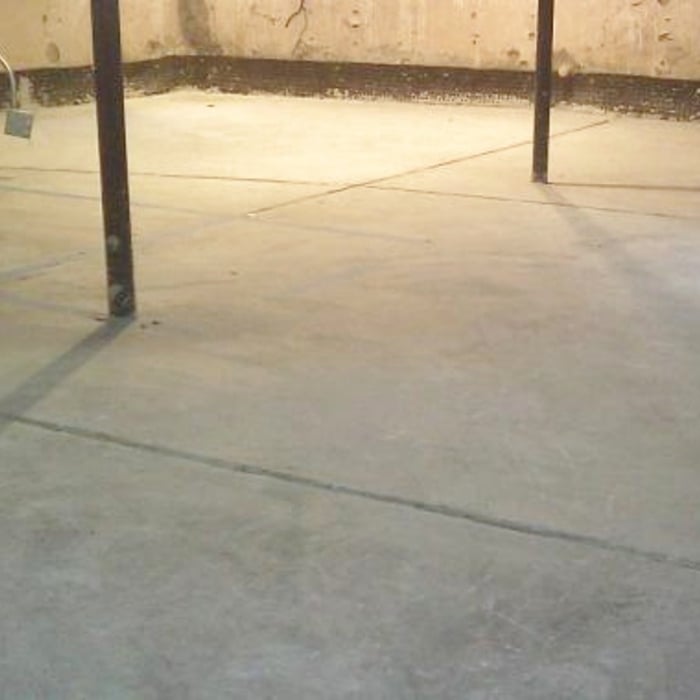
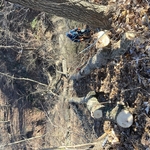
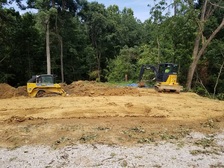
checking grade
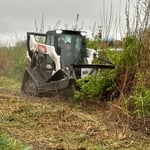
After
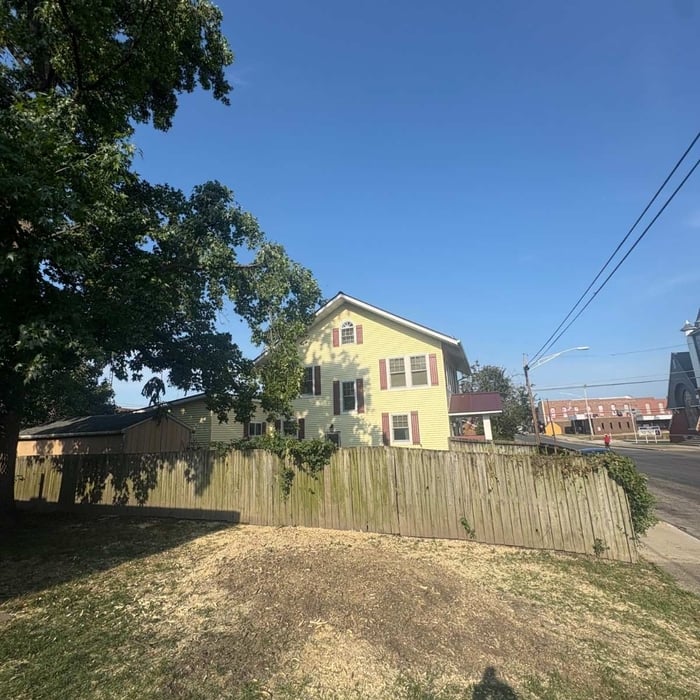
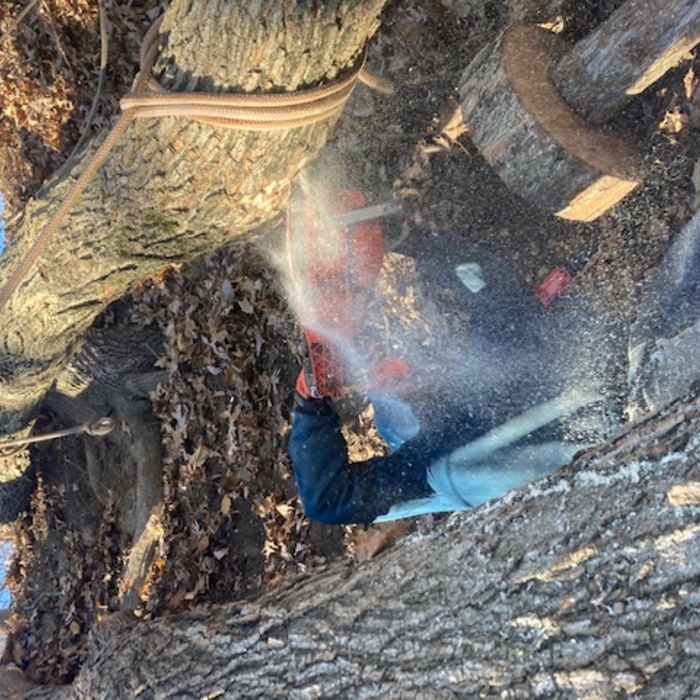
Fence line mulching
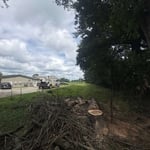
Rite of way clearing
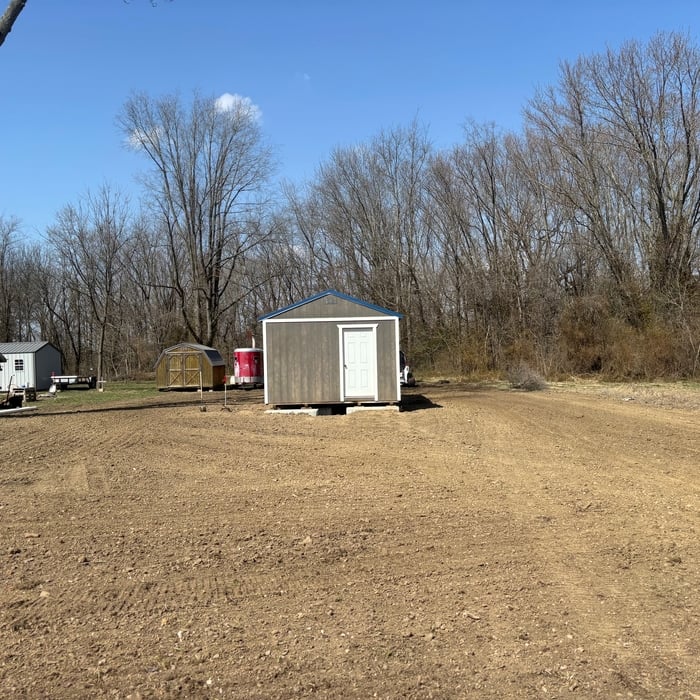
She shed

+20

5 neighbors recently requested a quote
Recommended by100%of homeowners
Highline Excavation
New to Angi

Serving Bridgeport, IL and surrounding areas

Approved

Hi, I'm Isaiah, owner of Highline Excavation. I provide dependable excavation services throughout Owensboro, Bowling Green, Henderson, Evansville, and the surrounding areas. Whether you need a building pad, grading/sloping, trenching, gravel driveway installation or repair, land clearing, small demolition, or junk removal, I show up on time, work hard, and treat every job like it's my own property. If you're looking for honest work, fair pricing, and someone who takes pride in doing the job right the first time, I'd love the opportunity to earn your business. Reach out for a free estimate!\n

Avatar for McDonagh & Sons Plumbing & Sewer Inc
McDonagh & Sons Plumbing & Sewer Inc
4.1(
69
)

Serving Bridgeport, IL and surrounding areas

In business since 2010

Free estimates

Emergency services offered

"Provider was prompt, professional and friendly.  Arrived at the agreed upon time for a free estimate and performed work same-day after we agreed to the price.  He stuck to the price despite taking longer than expected and more work than usual due to worn-rusted pipes in my home.  Cleaned-up after himself and left no sign that work was done other than our new, working toilets.  We are very pleased and reccomend McDonagh & Sons Plumbing & Sewer Inc.


"
Recommended by96%of homeowners
Showing 1-10 of 29
Excavating questions, answered by experts

There are several methods to hollow out a tree stump, and the best one depends on your tools, experience, and priorities. Common methods include using a chisel and hammer, a chainsaw, or burning.

  • Chisel and Hammer: This is often considered the easiest approach for those with limited tools or experience, though it is the most time-consuming.

  • Chainsaw: Using a chainsaw is the fastest method, but it comes with significant safety risks, especially for inexperienced users.

  • Burning: This can be an effective method, but it is not recommended unless you can first drill holes into the stump. Without holes, the stump will be difficult to light and may not burn completely through.

A power drill with at least a ⅜-inch diameter bit can make the job quicker and easier, regardless of the primary method. While you can use a chisel or chainsaw without a drill, it will require more time and effort. Always wear protective goggles and thick gloves, as splinters are an inevitable risk.

A joint utility trench, or joint trench, is a long, buried ditch on a property that contains two or more utility lines rather than running the lines in multiple trenches. Some utilities, like gas and electric or electric and communication lines, are better suited to joint trenching, while others, like water and sewer, are not allowed to be in the same trench.

Downspouts should be buried at least 5 to 10 feet away from your foundation. This can vary depending on your local building codes, soil type, and property slope. The main goal is to ensure water is directed away from your foundation.

You can dig 60 to 80 linear feet by hand per day depending on the depth. Digging a 100-foot trench by hand will take you two work days, but it can take longer if you have heavy or rocky soil. If you’re digging a deep trench or one that’s over 100 feet, consider renting a mechanical trencher, such as a walk-behind or ride-on, or calling a pro for help. 

Septic drain lines (or leach lines) are typically buried between 18 and 36 inches underground, and should be at least 6 inches below the surface. These pipes are perforated and surrounded by filtering materials like sand or gravel. Burying the lines at this depth helps minimize odors and allows bacteria and other biological processes in the soil to effectively treat the wastewater. Burying lines too close to the surface can cause issues unless the soil is very compact and stable.

The Bridgeport, IL homeowners’ guide to excavation services

From average costs to expert advice, get all the answers you need to get your job done.