

Top-rated excavation pros.

Get matched with top excavation pros in Bicknell, IN

Enter your zip and get matched with up to 5 pros

Need a pro for your excavation project in Bicknell, IN?

Select your specific project to find the pro for you.

Find Excavation pros in Bicknell

Avatar for Anthony's Lawn Care and Landscaping
Anthony's Lawn Care and Landscaping
4.7(
31
)
Landscape - Minor Grading or Resloping

Serving Bicknell, IN and surrounding areas

Approved

In business since 2016

Free estimates

Emergency services offered

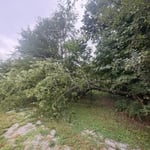
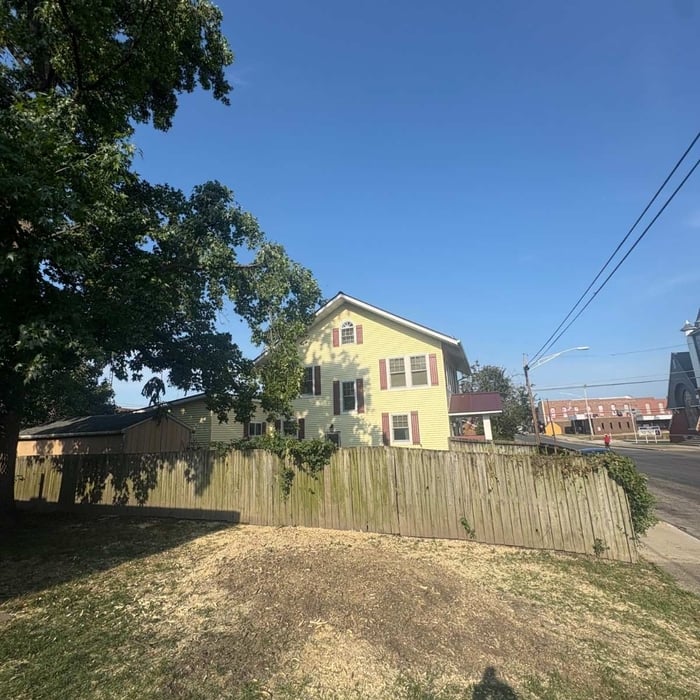
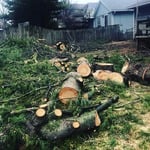
"Anthony and his team were great to work with! They were extremely dependable, and they removed two ash trees that were very dangerous! I appreciated their concern and promptness in removal of these trees! Highly recommend them for all your needs! BJ Walls"
Tree Removal
Tree Removal
Tree Removal
Tree Removal
Tree Removal

+1

Response time12 hrs
Response rate91%
105 neighbors recently requested a quote
Highline Excavation
New to Angi
Landscape - Minor Grading or Resloping

Serving Bicknell, IN and surrounding areas

Approved

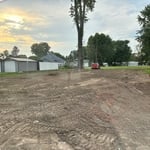
Hi, I'm Isaiah, owner of Highline Excavation. I provide dependable excavation services throughout Owensboro, Bowling Green, Henderson, Evansville, and the surrounding areas. Whether you need a building pad, grading/sloping, trenching, gravel driveway installation or repair, land clearing, small demolition, or junk removal, I show up on time, work hard, and treat every job like it's my own property. If you're looking for honest work, fair pricing, and someone who takes pride in doing the job right the first time, I'd love the opportunity to earn your business. Reach out for a free estimate!\n

1 neighbors recently requested a quote
Modoc industries
New to Angi
Landscape - Minor Grading or Resloping

Serving Bicknell, IN and surrounding areas

Approved

Welcome to Modoc Industries.\nAt Modoc Industries, we believe in doing things the right way—the first time. Built on hard work, experience, and integrity, we provide dependable, high-quality service while maintaining the highest safety standards on every project.\nWe know trust is earned, which is why we treat every client like family. From the first conversation to the final walkthrough, you can expect honesty, professionalism, and a commitment to exceeding expectations. Our goal is not just to complete a job, but to build lasting relationships with the people and communities we serve.\nWith years of hands-on industry experience, we take pride in quality workmanship that stands the test of time. No shortcuts, no excuses—just reliable results and attention to detail from start to finish.\nThank you for considering Modoc Industries. We look forward to earning your trust and showing you the difference experience, dedication, and quality craftsmanship can make.

...
Showing 1-10 of 56
Excavating questions, answered by experts

A walk-behind trencher can cut through roots as long as they’re not too thick, making a project much easier than digging with a shovel and other hand tools. Assess your terrain and the number of trees in the surrounding area to determine if a walk-behind trencher will ease the job. Digging a trench by hand is much more time-consuming and labor-intensive. 

As a general rule, the protected area should be about 1½ times as wide as the canopy of the tree’s leaves. This digging measurement can vary by tree species and the age of the tree. Of course, that can be a lot of fencing for larger trees, which is why our first step is about making difficult decisions on which trees to save.

In most areas, you will need a permit for excavation work, even for projects that only involve grading or yard leveling. Permit requirements depend on your local government and the scope of the project, but they are especially common for significant digging or work that could affect utilities or public property. These permits help protect the local topography and prevent drainage issues. An experienced excavation company will typically know whether permits are needed and can often handle the process of pulling and closing them for you. You can also verify permit requirements by contacting your local building department and describing your project.

How deep your septic system needs to be into the ground depends on several factors. In extremely cold environments, the tank needs to rest below the maximum frost line, which can be up to six or eight feet deep. The standard burying depth for most systems is between a few inches and four feet below ground level. Depth can also depend on the slope of the landscaping and other property variables. 

Depending on the severity of the freeze and the method used, thawing frozen underground pipes can take anywhere from 30 minutes to several hours. Applying heat directly to the pipe using heat tape, infrared lamps, or hot water jetting can speed up the process. However, patience and careful monitoring are key to avoiding pipe damage.

The Bicknell, IN homeowners’ guide to excavation services

From average costs to expert advice, get all the answers you need to get your job done.