




Top-rated excavation pros.

Get matched with top excavation pros in Princeton, IN

Enter your zip and get matched with up to 5 pros

Need a pro for your excavation project in Princeton, IN?

Select your specific project to find the pro for you.

Find Excavation pros in Princeton

Avatar for Next Gen Earthworks
Next Gen Earthworks
5.0(
5
)
Building Site - Preparation and ClearingExcavation - Major Grading or ReslopingBuilding Site - Preparation and Clearing - For Business+2 more

Serving Princeton, IN and surrounding areas

Approved

In business since 2020

Free estimates

Emergency services offered

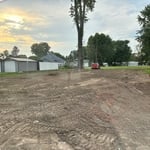
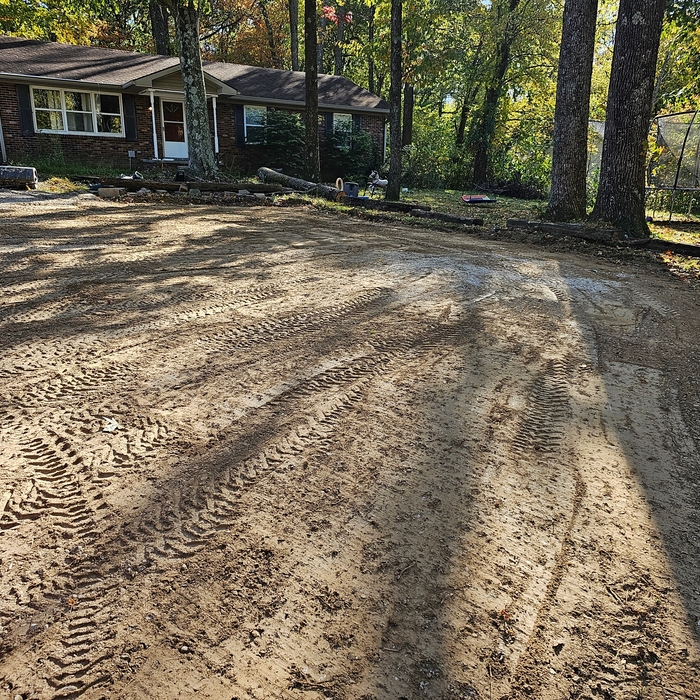
"Ryan came and and made my driveway look like it was new again. He did such a good job I even had him come take a look at some food plots I’m looking to put in. Ryan was very easy to schedule with and was prompt and polite! I’ll see him again next year on my driveway for sure :-)"
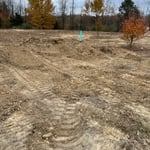
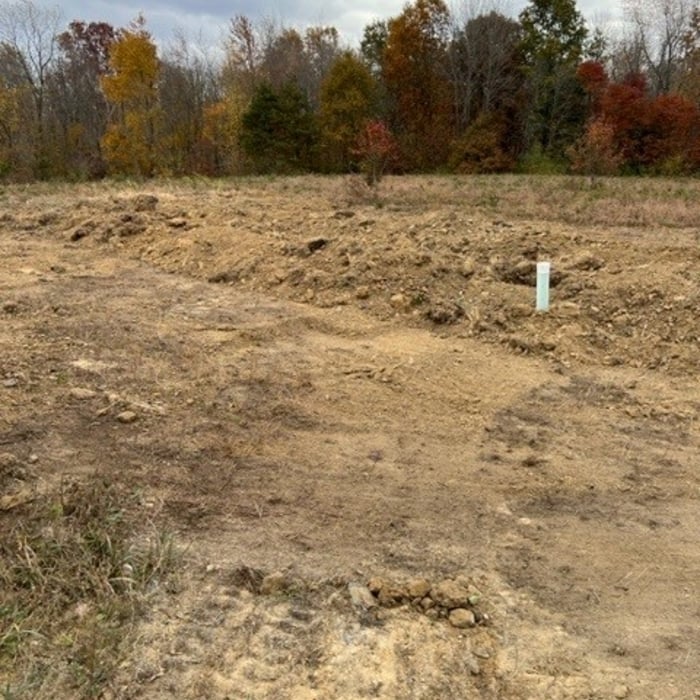
checking grade
After
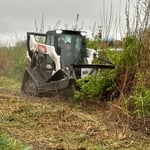
Fence line mulching
Rite of way clearing
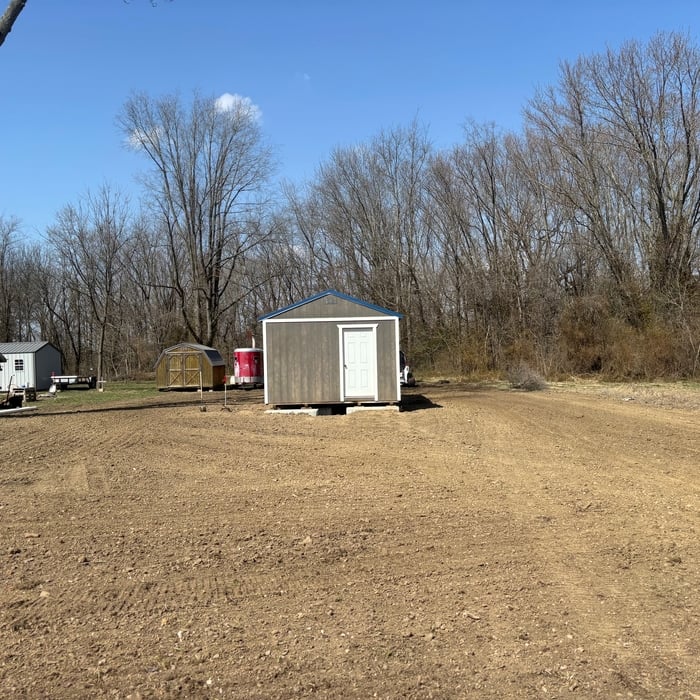
She shed

+20

Response time2 days
Response rate92%
3 neighbors recently requested a quote
Highline Excavation
New to Angi
Landscape - Minor Grading or Resloping

Serving Princeton, IN and surrounding areas

Approved

Hi, I'm Isaiah, owner of Highline Excavation. I provide dependable excavation services throughout Owensboro, Bowling Green, Henderson, Evansville, and the surrounding areas. Whether you need a building pad, grading/sloping, trenching, gravel driveway installation or repair, land clearing, small demolition, or junk removal, I show up on time, work hard, and treat every job like it's my own property. If you're looking for honest work, fair pricing, and someone who takes pride in doing the job right the first time, I'd love the opportunity to earn your business. Reach out for a free estimate!\n

1 neighbors recently requested a quote
Wiggins Construction & Excavation
3.0(
2
)
Building Site - Preparation and ClearingBuilding Site - Preparation and Clearing - For BusinessExcavation - Major Grading or Resloping+2 more

Serving Princeton, IN and surrounding areas

In business since 2023

Free estimates

Emergency services offered

"Everything went extremely well!!! Tyson is very meticulous about his work. The pond is amazing. He even goes so far as sowing grass seed when he’s finished to leave things in great shape. In fact, I was so pleased with his work and work ethic that I offered him a couple more jobs if he was interested. He was and is doing a great job! One being restoring a building and another is demoing a current garage. I will definitely be spreading the word and recommending him. I will be calling him again with any future projects I may have."
Remodeling - General Project
Additional Photos
Additional Photos
Additional Photos

+67

Recommended by50%of homeowners
Showing 1-10 of 49
Excavating questions, answered by experts

Call 811 to locate and mark the gas lines at least three days before digging. In many areas, you can dig within 18 inches of the lines, though in some locations, the distance may be further. Check local regulations, as you may need a utility company representative onsite when digging. Document your calls to 811 and precautions taken to avoid gas lines. A homeowner can be held liable for hitting a gas line in some cases, but contacting the proper authorities and following all guidelines can offer protection.

If you don’t have a crawl space but have a partial basement you want to make deeper, you can expect to spend a little less—between $40,000 and $90,000 on average. However, if you’re not adding new finished square footage, you won’t see much in the way of ROI.

Most residential basements are 8 to 10 feet deep. You can dig deeper depending on building codes, but it does become more difficult. You’ll likely need to install stronger foundation walls and additional supports to handle the increased load. Depending on the water table, you may also need a water management system. Clay soil can support a deeper foundation than sandy soil. A structural engineer will be able to tell you the maximum, feasible depth.

No, a ditch isn’t a trench. A ditch is an open, relatively shallow channel that’s carved out of the ground and used for drainage purposes. In contrast, a trench is a deeper excavation that’s entirely underground. Trenches have many uses, including gas lines, sewage systems, and electrical wiring. Unlike trenches, ditches don’t get filled back in with dirt after they’re dug.

In the United States, a depth of 36 inches (three feet) for underground water lines is the accepted industry standard. This depth varies from location to location based on local conditions. In areas with colder winters, they may be buried deeper to prevent frozen well water pipes : This is usually at least six inches below the frost level. The International Plumbing Code calls for a minimum of 12 inches below grade.

The Princeton, IN homeowners’ guide to excavation services

From average costs to expert advice, get all the answers you need to get your job done.