





Top-rated lawn care providers.

Best lawn care providers near Arcola, IL

Enter your zip and get matched with up to 5 pros

Need a pro for your lawn service project in Arcola, IL?

Select your specific project to find the pro for you.

TRUSTED BY ARCOLA, IL HOMEOWNERS

  • Average homeowner rating star icon4.7
    Average homeowner rating
  • Verified reviews icon37
    Verified lawn services reviews

Top-Rated Lawn care providers in Arcola - Updated Nov 2026

Avatar for TruGreen
TruGreen
3.1(
2,962
)
Lawn Care - Aerate a LawnLawn Care - Fertilize or Treat a Lawn

Serving Arcola, IL and surrounding areas

Approved

In business since 1974

Free estimates

Warranties offered

"I think they treated the wrong lawn. The note they sent me via text message referenced trees and shrubs in my yard, I have none. They also did not leave a yard marker showing they had been there. Otherwise, this would have been a 5 star review."
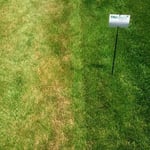
TruGreen Treated vs Non-Treated
Enjoy Your Lawn at it's Fullest Potential
TruGreen Treated vs Non-Treated
TruGreen Lawn
TruGreen Healthy Lawn Analysis

+4

Recommended by76%of homeowners
Avatar for Iron Key Property Management LLC
Iron Key Property Management LLC
New to Angi
Lawn & Yard Waste Clean UpLawn Care - Maintain and Mow a Lawn

Serving Arcola, IL and surrounding areas

Approved

Free estimates

Emergency services offered

Small jobs welcome

Hello, this is Iron Key Services LLC. We are a veteran-owned lawn care, cleanup, debris removal, and property maintenance company serving Central Illinois.\n\nWe have availability today for urgent property cleanups, overgrown lawns, move-out exterior cleanup, trash/debris removal, and curb-appeal work before showings or tenant turnover.

Avatar for Adam Lerma
Adam Lerma
New to Angi
Handyman for Multiple Small ProjectsLawn & Yard Waste Clean Up

Serving Arcola, IL and surrounding areas

Approved

Free estimates

Emergency services offered

Warranties offered

I recently moved from the state of Florida to Indiana in 2024, I've been doing masonry work for a little over 6 years now and the previous work I did before that I was a carpenter for 8 years a roofer for 6 years you can say I am a jack of all trades I love the work that I do and I'm hoping I will have the opportunity to work with some you lovely people of Indiana and Illinois. I live in the west Indiana and will to serve its surrounding cities.

...
Showing 1-10 of 108
Lawns FAQs, answered by experts

It’s unlikely your leaves are a hazard, especially if you get to them while they’re dry. However, a couple of rare risks exist. University studies suggest that decaying leaves can produce organochlorines, toxic pollutants similar to man-made PCBs (polychlorinated biphenyls), so avoid keeping them in an enclosed area.

Also, leaves and compost may cause the growth of fungi that can cause diseases like histoplasmosis and aspergillosis, as well as mold spores that are unhealthy for human lungs. Again, severe issues are rare, but those with compromised immune systems or allergies to mold should wear face masks when directly handling leaves.

Generally, it is not necessary to remove old mulch before applying a new layer. As organic mulch breaks down, it enriches the soil with nutrients. However, you should remove the old layer if it shows signs of fungus or disease, which can be common in moist areas, or if the total depth is already too thick. Avoid letting the total mulch depth exceed 3 inches, as this can harm plant roots. If you do remove old, disease-free mulch, it can be added to a compost pile.

Dead trees are dangerous for several reasons. They are structurally compromised and prone to branch or trunk failure, which can pose a significant safety risk to people, vehicles, and nearby structures. Dead trees can also harbor pests like termites, which may spread to other trees or your home. If a tree died from a disease, it could spread the illness to healthy trees. Additionally, the dry wood is highly flammable, increasing fire risk.

It typically takes six to 12 months for leaves to decompose entirely. The process involves the mulch composting into your lawn to deliver nutrients that facilitate grass growth. The recommended process is to spread a thick layer of leaf mulch over your garden and let it marinate for a few seasons for best long-term results.

No, it’s not necessary to remove all the leaves from your lawn—in fact, leaving some behind can be beneficial. While it's important to clear thick layers of leaves that can smother your grass, leaving a light scattering of leaves can help feed your soil while also providing safe winter habitat for pollinators like bumble bees. Leftover leaves will eventually break down, enriching the soil and promoting healthy lawn growth.

The Arcola, IL homeowners’ guide to lawn services

From average costs to expert advice, get all the answers you need to get your job done.