






Top-rated ceiling fan pros.

Get matched with top ceiling fan pros in Star, ID

Enter your zip and get matched with up to 5 pros

Need a pro for your ceiling fan service project in Star, ID?

Select your specific project to find the pro for you.

TRUSTED BY STAR, ID HOMEOWNERS

  • Average homeowner rating star icon4.7
    Average homeowner rating
  • Verified reviews icon127
    Verified ceiling fan services reviews

Find Ceiling fan pros in Star

Avatar for Lemere Electric
Lemere Electric
4.7(
89
)
Ceiling Fan - Install

Serving Star, ID and surrounding areas

In business since 2014

Free estimates

Emergency services offered

"Brian did a quick and efficient job of taking down an old ceiling fan, and installing a new one for me. Price was very reasonable. I would not hesitate to hire him again! Good job!"
Decorative Lighting
Sacramento Airport Smart Carte Cable Installation
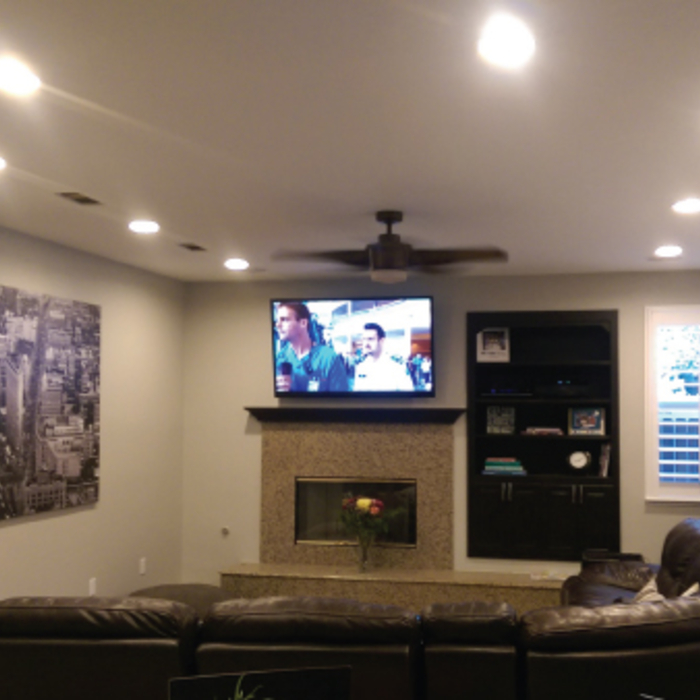
Living Room Can Light Install

+3

Response time8 hrs
Recommended by97%of homeowners
Showing 1-10 of 39
Ceiling Fans questions, answered by experts

The most efficient ceiling fan height is 8 to 9 feet from the floor to the fan blades. For ceilings higher than 9 feet, a downrod can be used to lower the fan to the optimal height. This positioning ensures adequate air circulation and maximizes the cooling effect. Remember, fans should be installed at least 7 feet above the floor for safety.

The direction your ceiling fan spins helps create comfortable airflow in your home and can also help cut down on energy costs. 

During summer, your ceiling fan should spin counterclockwise. This will push cooler air downward in a column and help lower your room’s air temperature. In the winter, set your ceiling fan to spin clockwise and at the lowest speed setting. This will pull cool air upwards, displacing the warm air that pools towards the top of your ceiling and bringing it down towards the floor.

Fan power is measured by CFM, or cubic feet per minute. For every 1,000 feet of square footage in your attic, you need a minimum of 700 CFM. Steeper roofs may need larger fans or about 840 CFM.  You can figure the size of attic fan you need by multiplying the square footage of your attic floor by 0.7. (multiply by 1.2 for a steep roof and 1.15 for a dark roof). That number is the CFM required for your fan to run efficiently.

Yes, ceiling fans come with a few other features that help with function, style, and convenience. Multi-speed fans can give you specialized control over the airflow. Consider getting one with an integrated light to save ceiling space. Some ceiling fans come with a remote control that enables you to change direction without climbing a ladder. Of course, you can also consider installing a wall switch to enjoy that convenience.
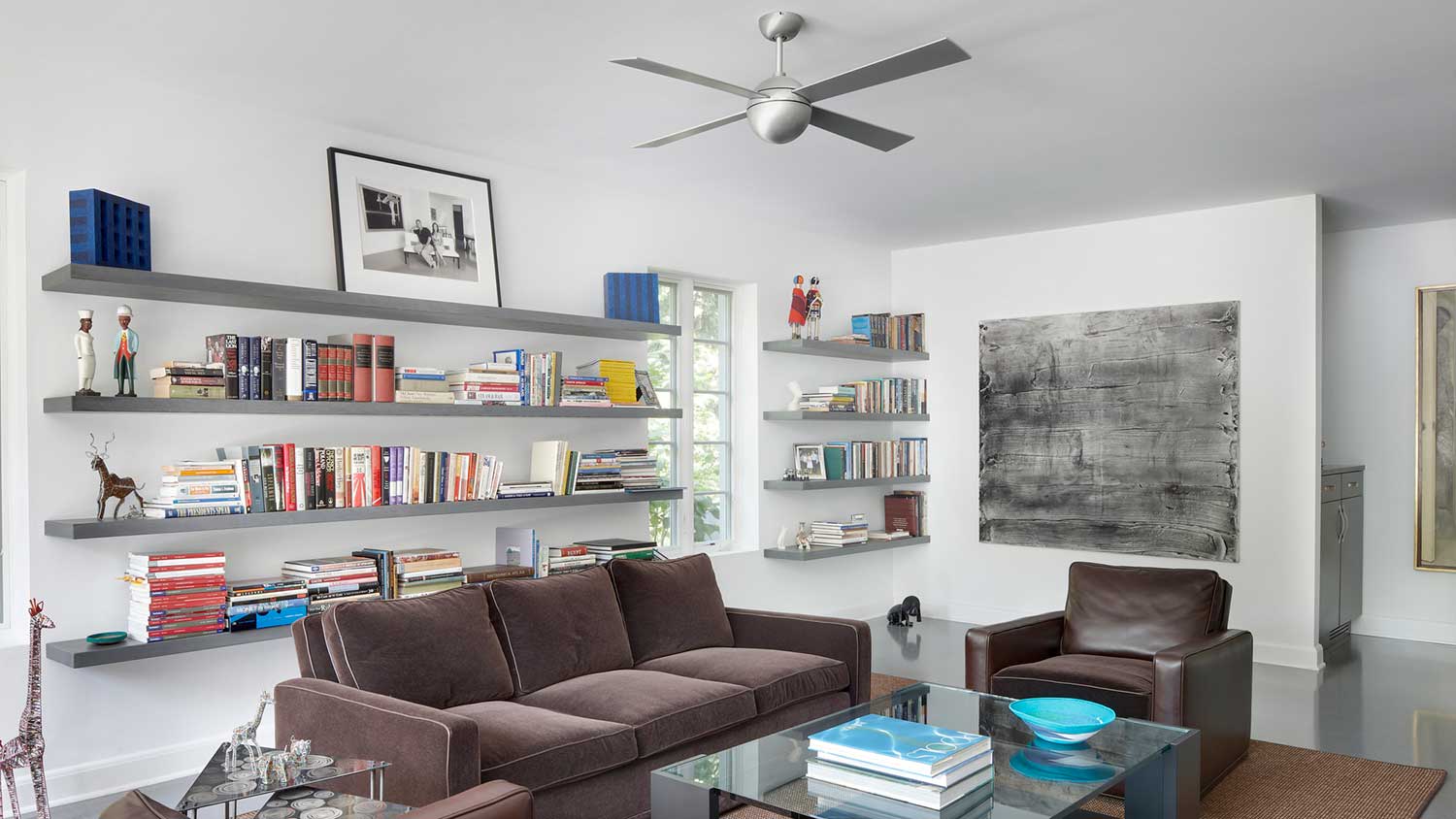
There are many types of ceiling fans, from self-automated smart ceiling fans to outdoor ceiling fans that provide additional comfort to your patio. What you choose all comes down to function and personal taste.

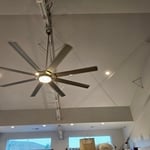
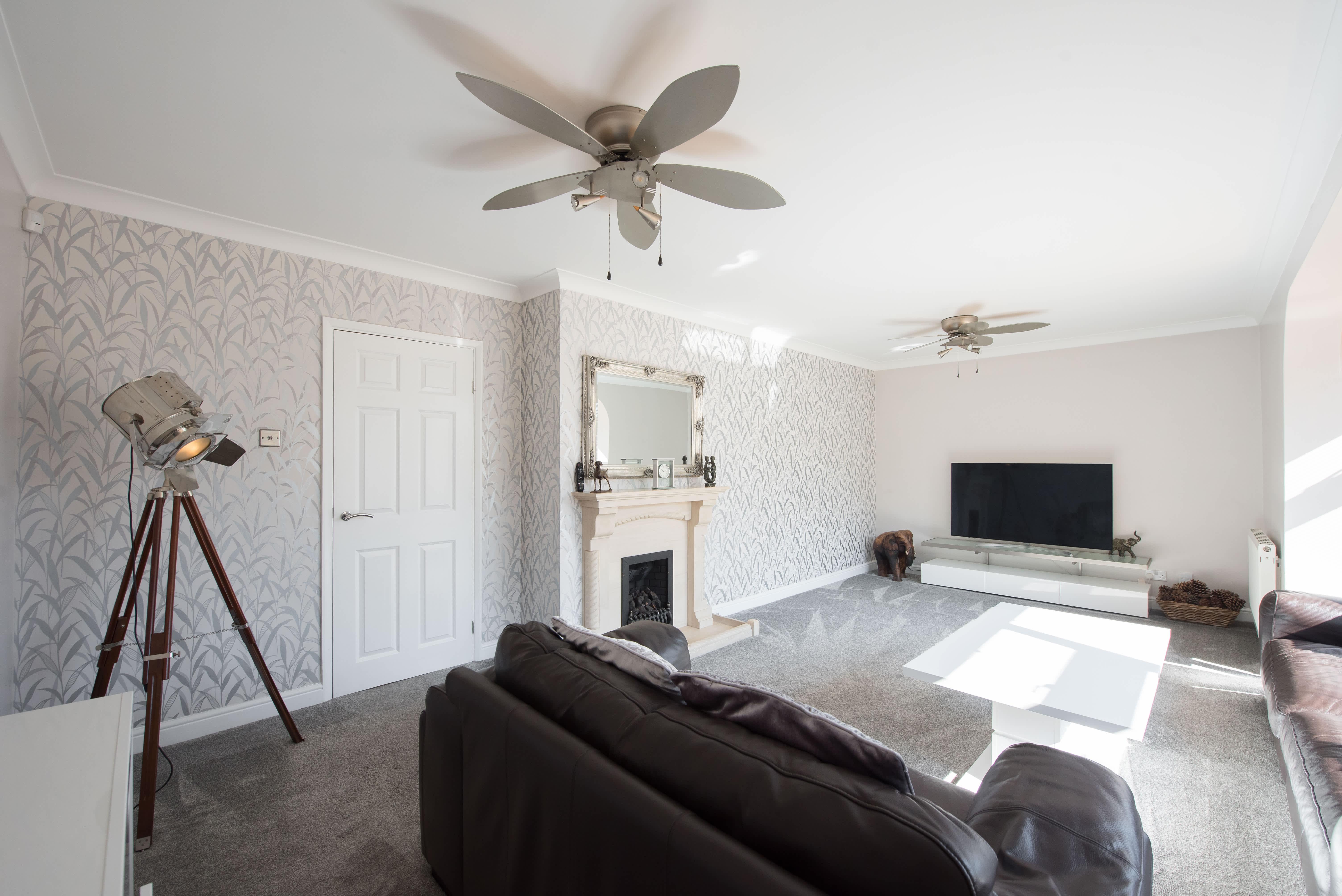
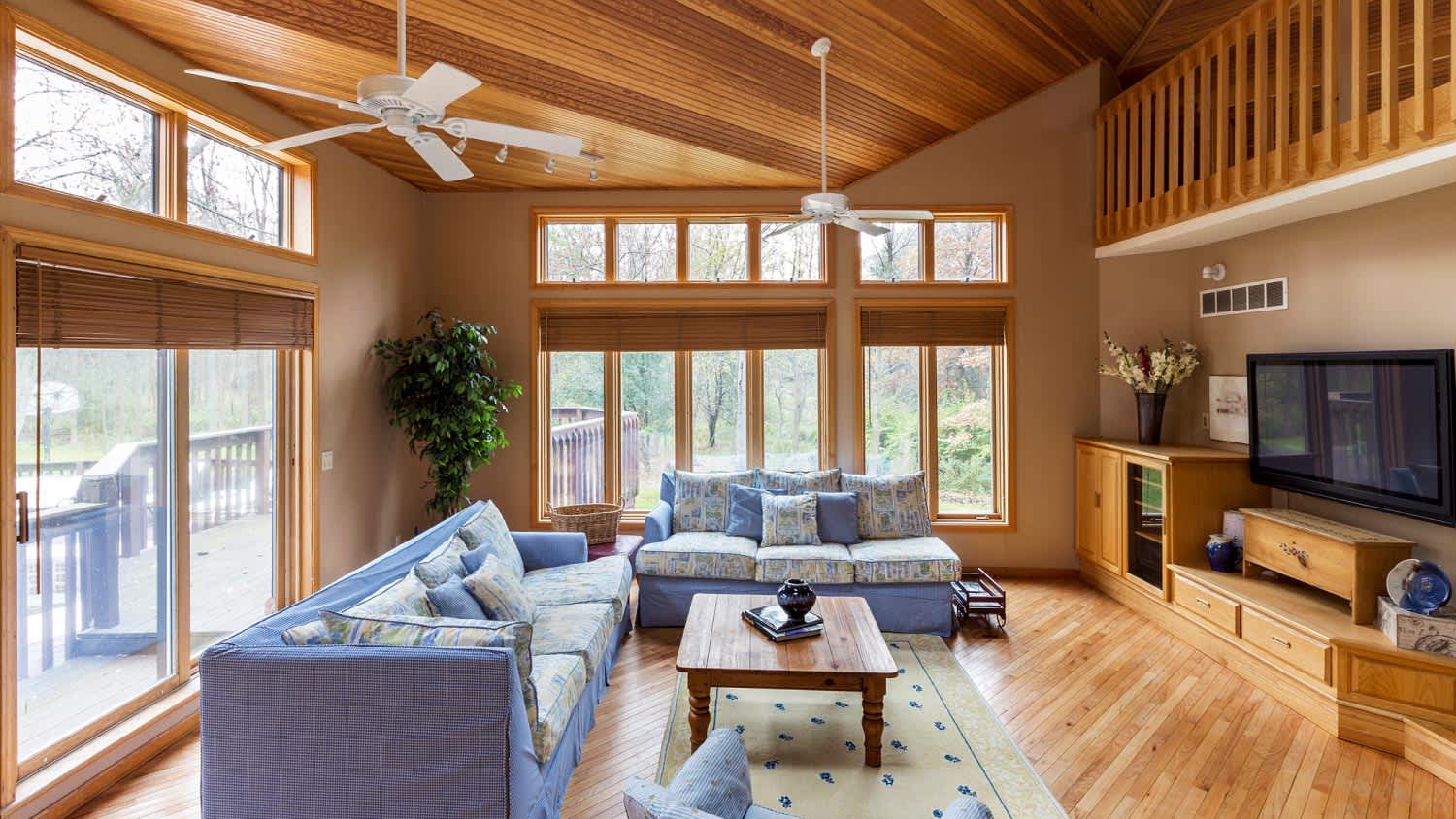
Consider your ceiling height when selecting a ceiling fan. Rooms with ceilings under eight feet high will do well with low-profile ceiling fans, also known as flush-mount or hugger ceiling fans. If your home has cathedral ceilings or ceilings between 10 and 25 feet high, you’ll need a large ceiling fan with a heavy-duty motor to get adequate air circulation.

The Star, ID homeowners’ guide to ceiling fan services

From average costs to expert advice, get all the answers you need to get your job done.