





Top-rated basement waterproofing pros.

Get matched with top basement waterproofing pros in Mccammon, ID

Enter your zip and get matched with up to 5 pros

Need a pro for your basement waterproofing project in Mccammon, ID?

Select your specific project to find the pro for you.

Find Basement waterproofing pros in Mccammon

Avatar for Shuler Contracting and Excavation LLC
Shuler Contracting and Excavation LLC
5.0(
1
)

Serving Mccammon, ID and surrounding areas

Approved

Free estimates

Credit card accepted

Offers commercial services

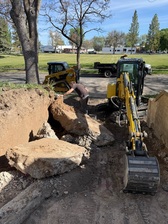
"It was easy to work with incredibly knowledgeable and his craft, set up level, had to take out a retaining wall near my structure was really grateful. He knew exactly what he was doing. Was able to trust the entire process with a large piece of equipment up against the house went flawlessly graded it perfectly level"
Photos
11 neighbors recently requested a quote

Avatar for Rex Equipment
Rex Equipment
New to Angi

Serving Mccammon, ID and surrounding areas

Free estimates

Credit card accepted

We are local small business with the equipment and experienced staff to meet your heavy equipment needs! We offer a variety of services including but not limited to excavation work, Backfilling ditches, Removing tree stumps, clearing snow, or anything else you might need a big machine for.

Showing 1-10 of 15
Basement Waterproofing questions, answered by experts

While a standard gutter system is widely considered the most effective way to prevent water damage to your home's foundation, several alternatives are available. These options can be used on their own in certain climates or as supplementary protection.

Common alternatives include:

  • Rain Chains: These are decorative chains that hang from the roof's edge, guiding rainwater to the ground.

  • Drip Edges: These metal strips are installed at the edge of the roof to direct water away from the fascia. While often used with gutters, they can be paired with a ground-level solution but are typically not sufficient on their own.

  • Rain Dispersal Systems: These systems work by breaking up the heavy sheet of water flowing off the roof, dispersing it over a wider area.

  • French Drains: This ground-level system uses a perforated pipe in a gravel-filled trench to collect and redirect water runoff away from the house.

  • Drip Paths: Placed directly below the roofline, these paths made of concrete, stone, or other materials prevent soil erosion and guide water away.

It's important to note that some alternatives like rain chains and dispersal systems may not be adequate in regions with heavy rainfall because they don't divert water away from the foundation as effectively as a full gutter system. Ground-based solutions like French drains can be very effective but are often more expensive and can affect your landscaping and curb appeal. Many experts recommend installing a full gutter system for maximum protection and using alternatives as supplementary measures.

Plan on cleaning your crawl space at least once a year, though twice a year is ideal. During the cleaning, remove any debris or dust and check for potential issues like pest infestations or water damage. The sooner you catch these issues, the easier (and cheaper) it will be to fix them.

Having a trusted crawl space contractor is the key to great encapsulation. If you're not sure how to hire a crawl space pro, begin by asking your neighbors for referrals. Homes in your neighborhood will often have a similar foundation to your house, and personal recommendations are one of the best ways to find a contractor. Additionally, double-check that the contractor has experience with encapsulation as well as proof of their license and insurance.

Installing storm windows can protect your home’s interior from heavy storms. Most storm windows are made with enamel-coated aluminum with screens and sliding glass panels. They also make your house more energy-efficient. The average storm window cost is $12,000, ranging between $4,250 and $19,850, depending on mounting, window types, glass types, and frame materials.

Brick is designed to absorb moisture, but it is also designed to let it evaporate as well. So in general, the goal shouldn’t necessarily be keeping moisture out but making sure it has the room to breathe. If you have excess moisture getting through your brick wall, it’s more likely that you have a crack or other issue at play that a typical sealant won’t fix. So, instead of investing in sealant, try repairing your brick wall instead.

The Mccammon, ID homeowners’ guide to basement waterproofing services

From average costs to expert advice, get all the answers you need to get your job done.