Top-rated excavation pros.

Get matched with top excavation pros in Kingston, ID

Enter your zip and get matched with up to 5 pros

Need a pro for your excavation project in Kingston, ID?

Select your specific project to find the pro for you.

TRUSTED BY KINGSTON, ID HOMEOWNERS

  • Average homeowner rating star icon4.9
    Average homeowner rating
  • Verified reviews icon13
    Verified excavation services reviews

Find Excavation pros in Kingston

Pain Free Excavation
4.7(
11
)
Excavation - Major Grading or ReslopingBuilding Site - Preparation and ClearingExcavation - Major Grading or Resloping - For Business

Serving Kingston, ID and surrounding areas

Approved

In business since 2018

Free estimates

Credit card accepted

"They got the work done fairly quickly considering the weather. There needs to be a little better communication between the homeowner and the people involved. All in all; a good experience."
Response time1 day
16 neighbors recently requested a quote
Recommended by100%of homeowners

Avatar for KandL Enterprises
KandL Enterprises
New to Angi
Excavation - Major Grading or ReslopingBuilding Site - Preparation and ClearingBuilding Site - Preparation and Clearing - For Business+1 more

Serving Kingston, ID and surrounding areas

Approved

In business since 2020

Free estimates

Warranties offered

We are a local company. With a lifetime of logging and construction experience I will always do my level best to make your project look like I would want it to look like if it were mine. We will always be quick to respond to you and will only do one job at a time so you can be certain that you will never be left with an incomplete project

Response time1 day
1 neighbors recently requested a quote
Flathead Excavation
5.0(
3
)
Building Site - Preparation and ClearingBuilding Site - Preparation and Clearing - For BusinessExcavation - Major Grading or Resloping+2 more

Serving Kingston, ID and surrounding areas

In business since 2020

Free estimates

Warranties offered

"We recently worked with Flathead Excavation and couldn't be happier with the experience. From start to finish, their communication was outstanding—they kept us informed every step of the way, answering all of our questions promptly and clearly. The quality of their work was exceptional, and they went above and beyond to ensure everything was done to the highest standard. Their team demonstrated incredible professionalism, attention to detail, and a genuine commitment to delivering results that exceeded our expectations. If you're looking for a reliable, hardworking excavation company that truly cares about its clients and the work they provide, I highly recommend Flathead Excavation. A top-notch team that you can trust!"
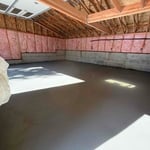
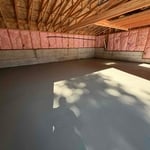
Concrete Pad
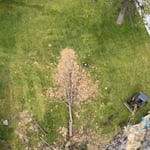
Land Clearing
Laser Level Shop Floor and Patio
Concrete Pad
Land Clearing

+163

Recommended by66%of homeowners

Showing 1-10 of 33
Excavating questions, answered by experts

In the United States, a depth of 36 inches (three feet) for underground water lines is the accepted industry standard. This depth varies from location to location based on local conditions. In areas with colder winters, they may be buried deeper to prevent frozen well water pipes : This is usually at least six inches below the frost level. The International Plumbing Code calls for a minimum of 12 inches below grade.

Trenches are typically 12 to 24 inches deep and 8 inches wide. However, the required depth depends on the specific project and local ordinances. For example, a French drain may need to be 18 inches deep, while a water pipe might require a depth of 24 inches and a drainage pipe 36 inches. Your city or county may have specific regulations, so it's wise to consult with an excavation professional to determine the correct depth for your project.

Slab foundations are more affordable than crawl spaces because they require minimal excavation, as the slab sits directly on the ground or on footers that only sink a few feet into the ground. Crawl spaces require excavation of the entire footprint of the home to several feet below the surface. Not only does that mean higher labor costs, but more materials are necessary for the concrete foundation walls.

Digging a bush up by the roots is the most natural DIY method for removing a bush stump. Start by identifying the shrub type and revealing its roots. Cut the shrub to its base and loosen the soil, ensuring no utility lines are nearby. Optionally, treat the base with herbicide, then dig around the roots and cut a circle around the shrub using various tools. Dig a trench, cut the base of the root ball, and finally fill the hole to prevent regrowth. This thorough process ensures complete removal without damaging surrounding areas.

The cost to drill a well varies, with a national average of around $5,500 for a 150-foot well. However, prices can fluctuate significantly based on several factors, including your location, the required well depth, geological conditions, local regulations, and the specific drilling methods used. For the most accurate cost assessment, it is best to research and get quotes from local well-drilling professionals in your area.

The Kingston, ID homeowners’ guide to excavation services

From average costs to expert advice, get all the answers you need to get your job done.