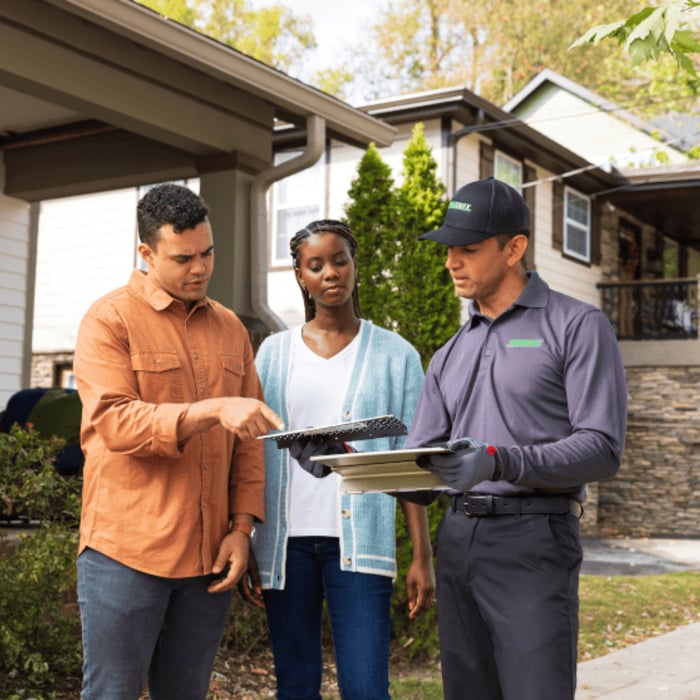
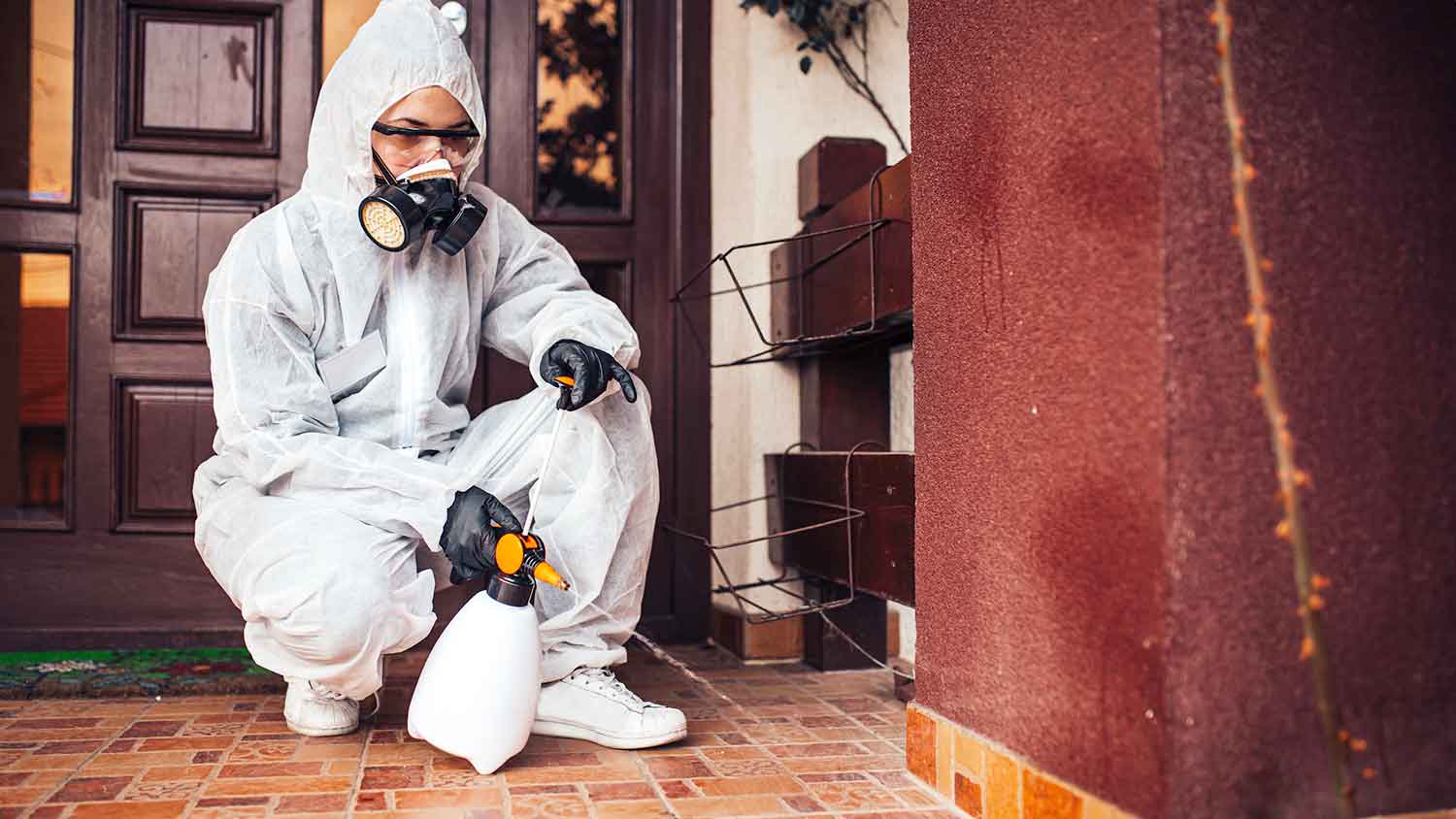
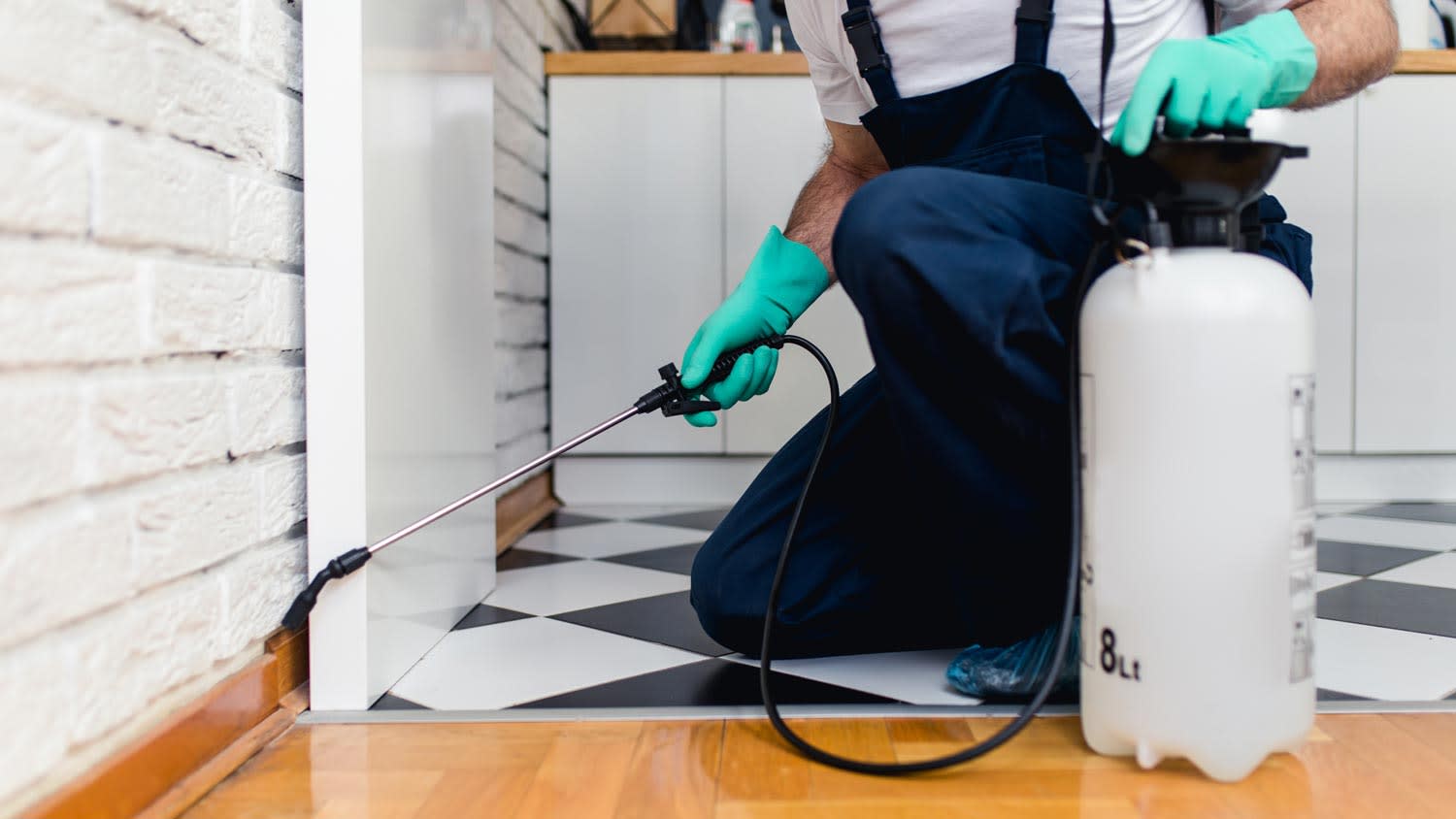
"Very knowledgeable guy who seem to know what he’s doing. Don’t know results of spraying. Have had much rain since. Will have to see if it worked. Terminex will spray again the beginning of next month."
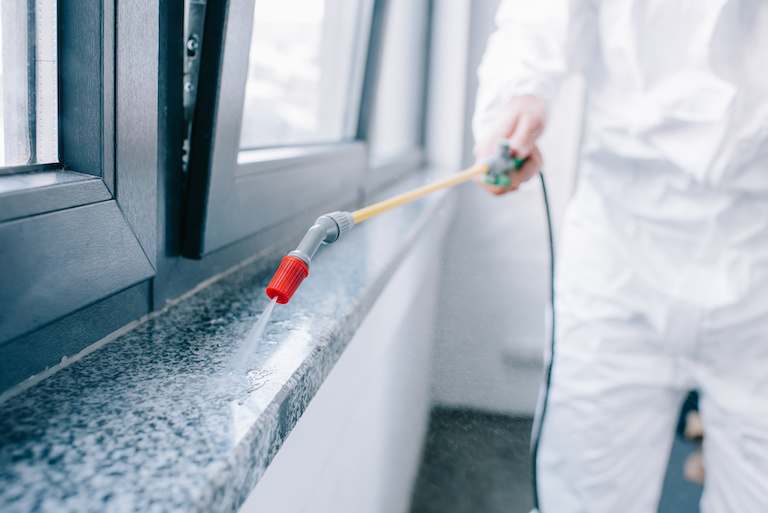
"Mark and Kim are very professional. They sprayed my house for bugs spiders etc. This is the third time I have had them spray and they did a great job."
Born and raised in Idaho, we are a local team working to inspire confidence and give control with cutting-edge environmental treatment solutions that are delivered with the highest level of customer care.
"United Air Temp was able to procure a replacement furnace controller board in a couple of days and Zachary was out within 4 days of the initial visit. The furnace now works very well."
Like many other rodents, squirrels can be a little difficult to get rid of (especially in the case of an infestation), but the best approach is to make the place as unattractive to squirrels as possible. If you do have an infestation inside your home, then professional help may be necessary so you can lay as many traps as possible.
Squirrels hate not having access to secure shelter or food sources. Your best line of defense is to make your property less attractive by removing access to these things. There are chemical squirrel repellents, but these have mixed success. According to Pennsylvania State University, you can apply products containing the bittering agent denatonium saccharide to a squirrel's favorite fence, tree, or roof spots. However, you need to reapply repellents regularly, which aren’t scientifically proven effective.
Exterminators can get rid of your current ant problem, but they won’t prevent ants from coming back. So it’s important to implement ant preventatives to avoid future infestations.
The primary reason ants enter your home is to find food. If they can’t find any, they won’t survive. So, the most effective way to prevent ant infestations is to clean, clean, and clean some more.
Keep your kitchen sparkling and wash your dishes immediately (or at least give them a quick rinse and wash off leftover food). Take out your garbage and compost as often as possible and tightly seal all your kitchen containers, especially the mason jars you use to hold your sugar—sugar is gold to ants.
You can also hire a local handyperson to help you prevent future ant infestations. The handyman can seal cracks and fix leaks throughout your home, which will keep any ants from entering.
When baiting an iguana trap, several items should be avoided. Do not use poisonous baits, such as those intended for rats or mice. This practice is often illegal, is unlikely to attract iguanas, and poses a significant risk to pets or other wildlife. Additionally, avoid using herbs, fruits, and vegetables that are toxic to iguanas, such as fresh sage, rosemary, avocados, and eggplants. While ripe fruit can be an effective bait, be sure to remove any pits or seeds from fruits like apples, pears, and peaches, as they are highly toxic. Finally, steer clear of citrus fruits, which act as a natural deterrent.
Humans attract fleas with their body heat, the carbon dioxide (CO2) they exhale, body odors, and movement. Fleas love hiding in warm, dark places like hair and scalps, armpits, and groin areas. Fleas prefer to feed on pets and wildlife, but they do bite humans when other warm-blooded mammals aren’t available.
The Oakley, ID homeowners’ guide to pest control services
From average costs to expert advice, get all the answers you need to get your job done.