


Top-rated tree service pros.

Best tree service pros near Fort Hall, ID

Enter your zip and get matched with up to 5 pros

Need a pro for your tree service project in Fort Hall, ID?

Select your specific project to find the pro for you.

TRUSTED BY FORT HALL, ID HOMEOWNERS

  • Average homeowner rating star icon4.6
    Average homeowner rating
  • Verified reviews icon72
    Verified tree services reviews

Top-Rated Tree service pros in Fort Hall - Updated Nov 2026

Woods Stump Removal LLC
4.9(
16
)
Tree Stump - RemoveTree Stump - Remove - For Business

Serving Fort Hall, ID and surrounding areas

Approved

In business since 2023

Free estimates

Offers commercial services

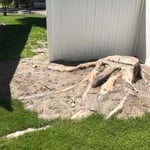
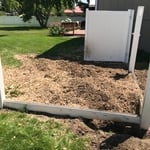
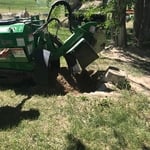
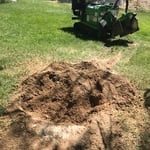
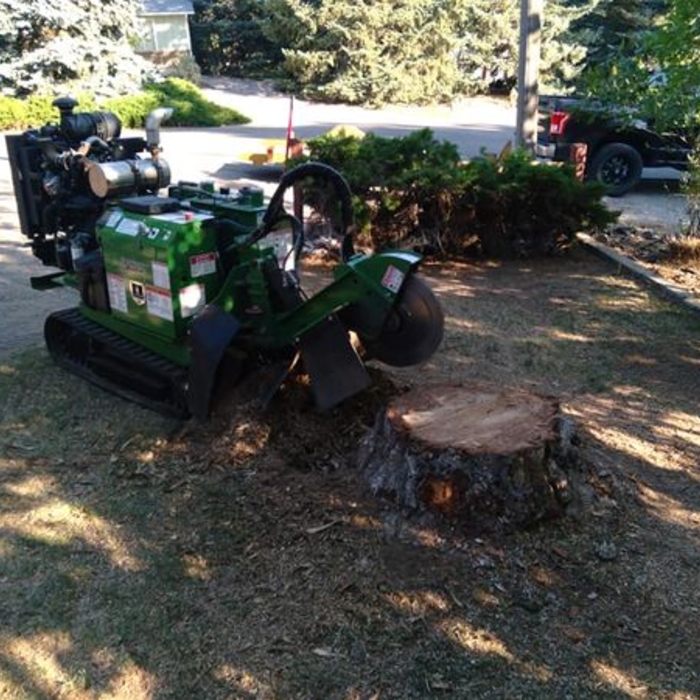
"Austin Wood was terrific to work with he ground out six big cottonwood trees stumps for us. He did it in a timely manner and cleaned it all up very impressed with his company Would highly recommend them to anyone. Very satisfied Wendy Bott"
Response time7 hrs
Response rate96%
1 neighbors recently requested a quote
Showing 1-10 of 40
Tree Service FAQs, answered by experts

If you’re wondering whether you can plant a tree where the stump was removed, know that the soil conditions won’t be ideal, so you should avoid it. The soil beneath the previous tree will likely be depleted of nutrients, plus there may be roots left behind that will seriously hinder the growth of a new tree. Also, if you use salt or other chemical solutions to kill the stump, these can linger in the soil for months or even years and prevent healthy growth. It’s best to choose a different spot that’s at least three feet away for a new tree, or wait at least a year and thoroughly amend the soil before you plant.

There are several signs that may indicate a tree needs to be cut down. These include visible damage to the trunk or branches, a hollow trunk, extensive storm damage, or a significant lean to one side. Other warning signs are pest infestations or the tree growing too close to a house, power lines, or other structures. It is best to hire a professional arborist to inspect the tree, as they can determine if it can be saved or if removal is necessary.

There are a few general rules to follow that will help you prune your trees correctly. One of the most important rules is to prune during the correct season for the type of tree you have. Typically, pruning should be during late winter. For younger trees, you should not remove more than a ⅓ of the tree's crown when pruning. Also, remember to remove dead and diseased branches first, then proceed with pruning the rest of the tree.

No, homeowners insurance typically does not cover the cost of removing a dead, sick, or rotting tree that is still standing. Insurance is designed to protect against sudden and unexpected accidents, whereas a tree dying or rotting over time is considered a maintenance issue. Coverage usually only applies after a tree has fallen and caused damage to your property.

Sudden oak death and oak wilt are different diseases. Oak wilt first shows up in tree leaves while sudden oak death affects the branches and trunk. However, as symptoms in both can overlap, it’s best to consult a professional arborist tree expert for a proper diagnosis and development of a treatment plan.

The Fort Hall, ID homeowners’ guide to tree services

From average costs to expert advice, get all the answers you need to get your job done.