


Top-rated electricians.

Get matched with top electricians in West Branch, IA

Enter your zip and get matched with up to 5 pros

Need a pro for your electrical service project in West Branch, IA?

Select your specific project to find the pro for you.

TRUSTED BY WEST BRANCH, IA HOMEOWNERS

  • Average homeowner rating star icon4.5
    Average homeowner rating
  • Verified reviews icon127
    Verified electrical services reviews

Find Electricians in West Branch

Avatar for BL Electric
BL Electric
5.0(
4
)
Electrical Switches, Outlets & Fixtures - Install or RepairElectric Vehicle Charging Station InstallationElectric Vehicle Charging Station Installation - For Business+10 more

Serving West Branch, IA and surrounding areas

Approved

Super Service Award Winner

In business since 2024

Free estimates

Credit card accepted

"While remodeling a room in our basement, we decided to add more lighting to the room. Matt was able to help rewire and add recessed lighting to our now usable room. He was spot on with his estimates and explained everything he was doing. The best part was that it was completed quickly and left the space spotless!"
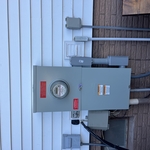
New meter main for residential customer in preparation for installing solar on their home.
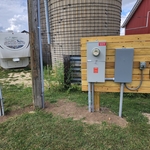
New electrical service with generator plug for farm
2 neighbors recently requested a quote
Recommended by75%of homeowners

Kevin's Electric
5.0(
18
)
Ceiling Fan - InstallElectrical Switches, Outlets & Fixtures - Install or RepairElectrical Wiring or Panel Upgrade

Serving West Branch, IA and surrounding areas

In business since 2010

Free estimates

"Kevin is experienced and can handle the toughest technical challenges. (He did everything necessary to upgrade electric on my 99-year-old house.) He will propose options to make sure the goals and outcomes are clear. He is an excellent communicator and billed exactly what was quoted, no surprises. I recommend Kevin s Electric without reservations"
Kitchen
Response time2 hrs
Response rate93%
Recommended by100%of homeowners

...
Showing 1-10 of 59
Electrical questions, answered by experts

Your heating and cooling systems cost you the most on your electric bill and make up 50% of your bill on average. Your washing machine, dryer, oven, and stove contribute significantly to your electric bill as well. Lights, fans, and smaller electronics add up, but aren’t the biggest energy consumers. You can reduce your power usage by setting optimal temperatures on your thermostat and investing in energy-efficient appliances.

Most electric water heaters have a built-in shut-off switch, so you can simply turn that to the OFF position. Some water heaters have the switch inside a panel, so you might need to unscrew the panel, remove it, move aside the insulation, and then shut the water heater off. To make sure it’s off, you can also locate the switch for your water heater in your electrical panel and shut the power off there. Most electrical panels have dedicated switches for the water heater, so you can shut off the power without affecting the rest of your home.

To prevent a plug from overheating, always ensure that the electrical load connected to the plug does not exceed the plug's capacity. If the plug feels hot to the touch or emits a burning smell, immediately shut off the circuit breaker and unplug all devices from the hot outlet. Prevent electrical fires by avoiding using extension cords or adapters with the plug, as they can cause it to overheat due to increased resistance. Additionally, ensure that the plug is properly inserted into the outlet and that the outlet is not damaged or loose. 

Yes, GFCI breakers are required for all outdoor outlets. This code requirement applies to all outlets located on balconies, decks, patios, and other outdoor lounge spaces. In addition, outdoor outlets need to have watertight covers that provide protection when cords are plugged in. If you have an older home that may not be up to code, it's a good idea to also ask your electrician about adding GFCIs to some indoor areas. Kitchens, bathrooms, basements, and any other areas of a home that are commonly exposed to moisture should have GCFI breakers.

In the case of electrical overflow, an ungrounded outlet should trip the circuit breaker, staving off dangerous scenarios. However, this is not always the case, especially if the wires and circuit breaker are worn down or damaged in some way. Ungrounded wires melt over time as they are introduced to more and more electricity. In other words, a circuit breaker offers protection in most instances but not always, and that’s where the danger lies with ungrounded outlets.

The West Branch, IA homeowners’ guide to electrical services

From average costs to expert advice, get all the answers you need to get your job done.