




Top-rated energy efficiency auditors.

Best energy efficiency auditors near Waverly, IA

Enter your zip and get matched with up to 5 pros

Need a pro for your energy efficiency auditing project in Waverly, IA?

Select your specific project to find the pro for you.

Top-Rated Energy efficiency auditors in Waverly - Updated Nov 2026

Energy Efficiency Auditing FAQs, answered by experts

While some aspects of an appraisal, such as comparable properties nearby, are out of your control, there are several steps you can take to potentially increase your home's value. Make any necessary repairs and upgrades before the appraiser's visit, as they can only value what is currently part of the home, not its potential. Examples include renovating older areas, updating landscaping to boost curb appeal, and staging your home. You can also provide the appraiser with the cost of recent upgrades, which may increase your home's value by about 50% or more of what you paid for those improvements.

When installing a new furnace, it's a good time to consider other projects that can enhance your home's energy efficiency. A great first step is to get a home energy audit, which will identify areas for improvement. Common recommendations include sealing or replacing windows and adding insulation to the attic. These upgrades can help you save money on monthly utility costs. You might also consider installing a smart thermostat to make heating your home more convenient and efficient.

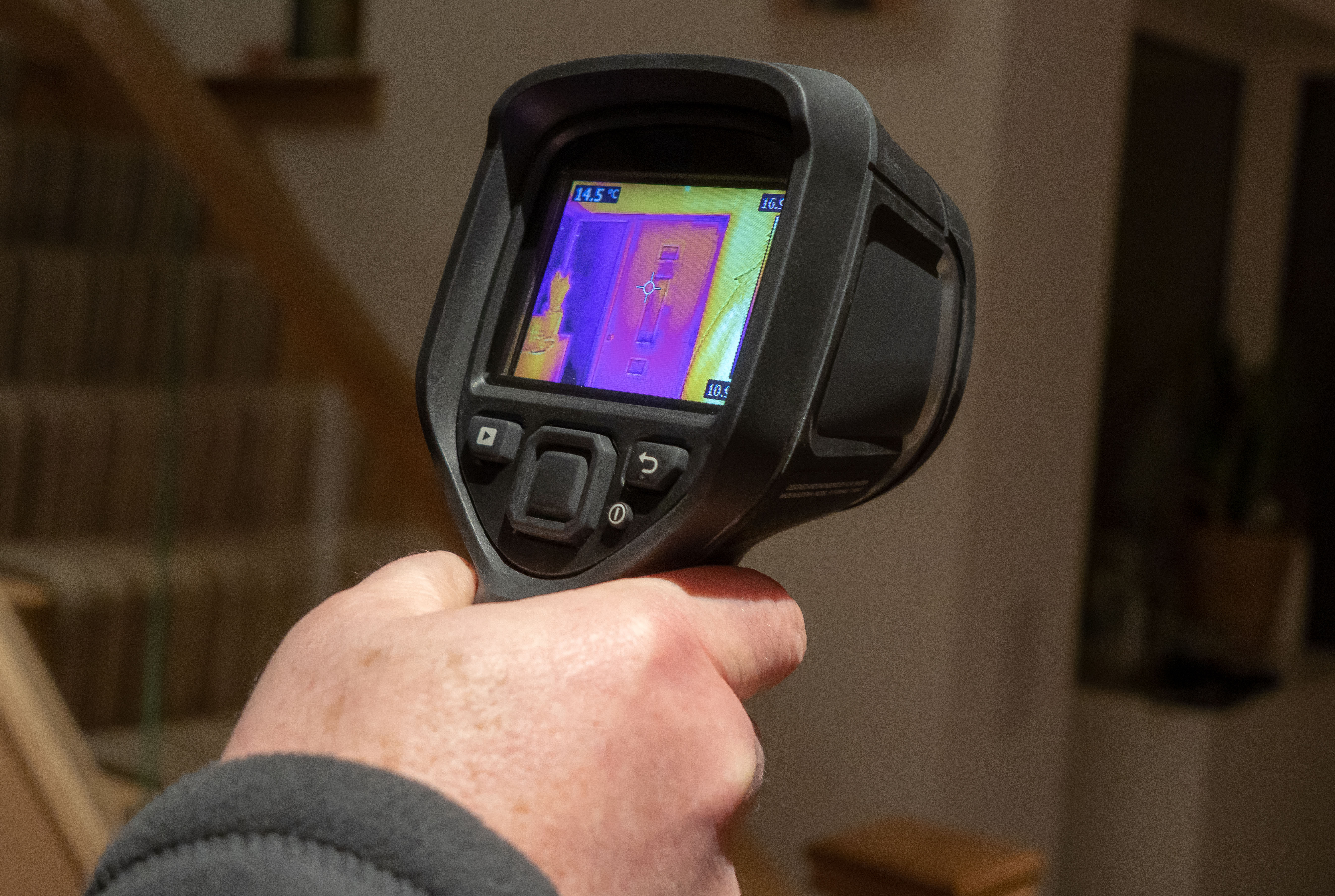
A blower door test shouldn’t take more than an hour, and most can be completed in less than 30 minutes. Expect the test to take longer once you start searching for leaks with thermal imaging or want to include sealing such leaks in the time estimate. The test doesn’t take much time and can’t be rushed, but it will take longer in large homes or those with many air leaks.

A whole-house humidifier can positively impact energy consumption by improving heating efficiency. During colder months, humidified air feels warmer, which allows you to lower your thermostat without sacrificing comfort. This adjustment can lead to significant energy savings as your heating system works more efficiently. However, it's important to use the humidifier judiciously, as excessive humidity could potentially strain your cooling system in warmer months.

There is no blanket figure for a residential home’s electrical load, since load varies by the size of the home, how many appliances are used, and the efficiency of their electrical systems. Typically, however, it’s safe to assume 40 to 60 amps is the average electrical load of a residential home. 

The Waverly, IA homeowners’ guide to energy efficiency auditing services

From average costs to expert advice, get all the answers you need to get your job done.









