


Top-rated energy efficiency auditors.

Get matched with top energy efficiency auditors in Shell Rock, IA

Enter your zip and get matched with up to 5 pros

Need a pro for your energy efficiency auditing project in Shell Rock, IA?

Select your specific project to find the pro for you.

Find Energy efficiency auditors in Shell Rock

Energy Efficiency Auditing questions, answered by experts

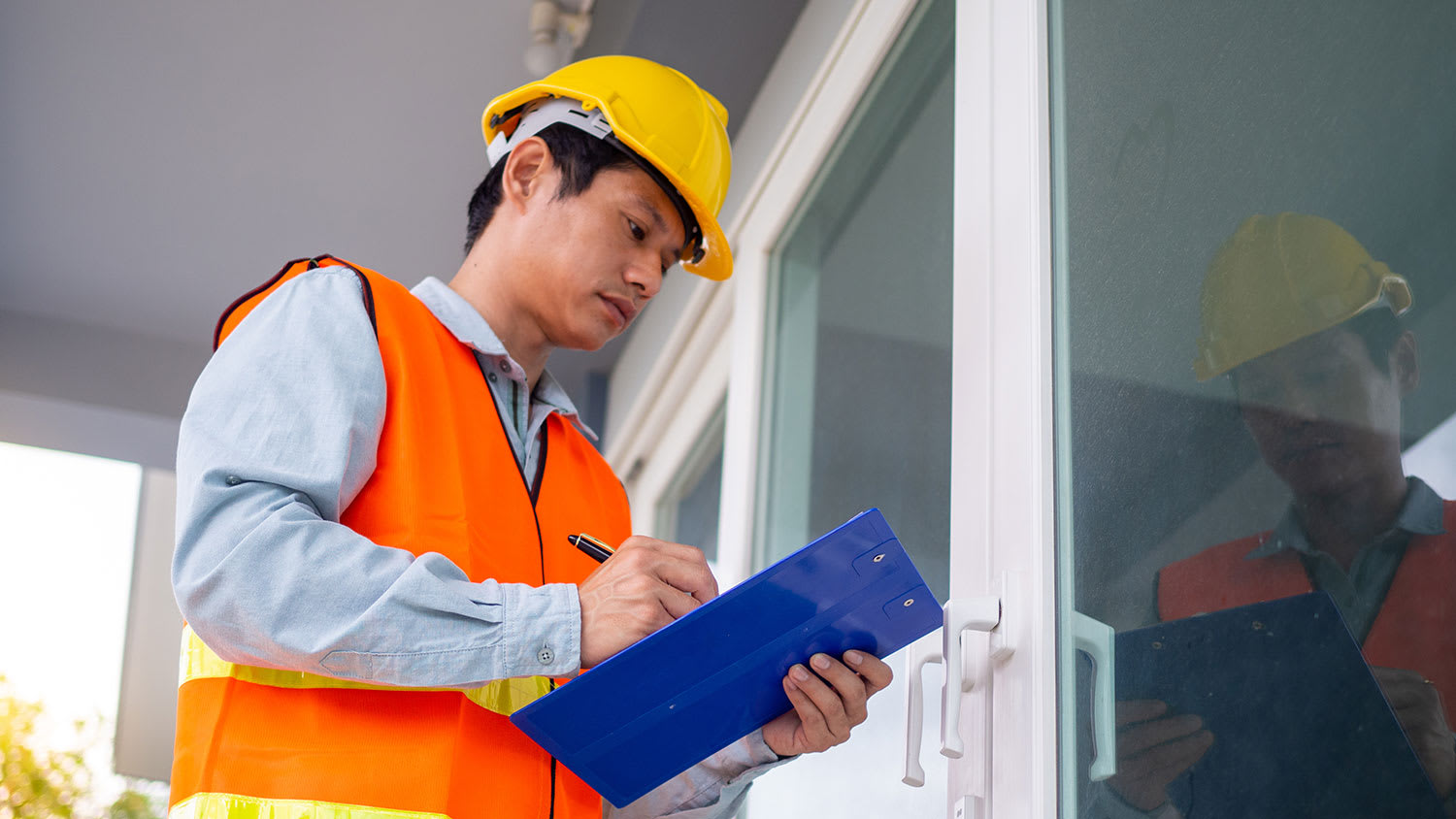
Typically, a local home energy auditor is responsible for performing energy audits. A home energy auditor will conduct one of three energy audits designed by the American Society of Heating, Refrigerating, and Air-Conditioning Engineers (ASHRAE) to determine the energy efficiency of your home. The auditor often provides analysis that can help guide changes and improvements to your home for better energy efficiency, giving recommendations as necessary.

Homeowners can often access federal tax credits, such as the Investment Tax Credit (ITC), which covers a percentage of installation costs. Many states and utilities offer additional rebates, grants, or performance-based incentives. These programs can significantly lower your upfront investment. Check the Database of State Incentives for Renewables and Efficiency (DSIRE) or contact your local energy office for current offers.

Solar water heating systems are not one-size-fits-all. You'll likely work with a team of experts to get the job done—including solar panel installers, plumbers, and water heater installers. A specialist will help you decide if a passive or active system is best for your local weather, home layout, roof stability, and your budget.

Not all homes are suited for solar panel systems. Older roofs or those in poor condition may need repairs or replacement before solar panels can be installed. Some other factors to consider are the amount of sunlight your roof receives, the roof’s orientation and pitch, and any shading from nearby trees or buildings.

R-value measures an insulation material's thermal resistance, indicating its ability to resist heat transfer. A higher R-value signifies better insulation performance because the material is more effective at slowing heat flow. The R-value depends on the type, thickness, and density of the insulation material, such as fiberglass, foam, or cellulose. Each inch of insulation typically provides an R-value between 3 and 8. There is no single universal R-value; the optimal choice depends on your climate zone. Colder climates require a much higher R-value than warmer ones to maintain energy efficiency, keep the home warm in winter and cool in summer, and manage costs.

The Shell Rock, IA homeowners’ guide to energy efficiency auditing services

From average costs to expert advice, get all the answers you need to get your job done.