







Top-rated energy efficiency auditors.

Get matched with top energy efficiency auditors in Hazleton, IA

Enter your zip and get matched with up to 5 pros

Need a pro for your energy efficiency auditing project in Hazleton, IA?

Select your specific project to find the pro for you.

Find Energy efficiency auditors in Hazleton

Energy Efficiency Auditing questions, answered by experts

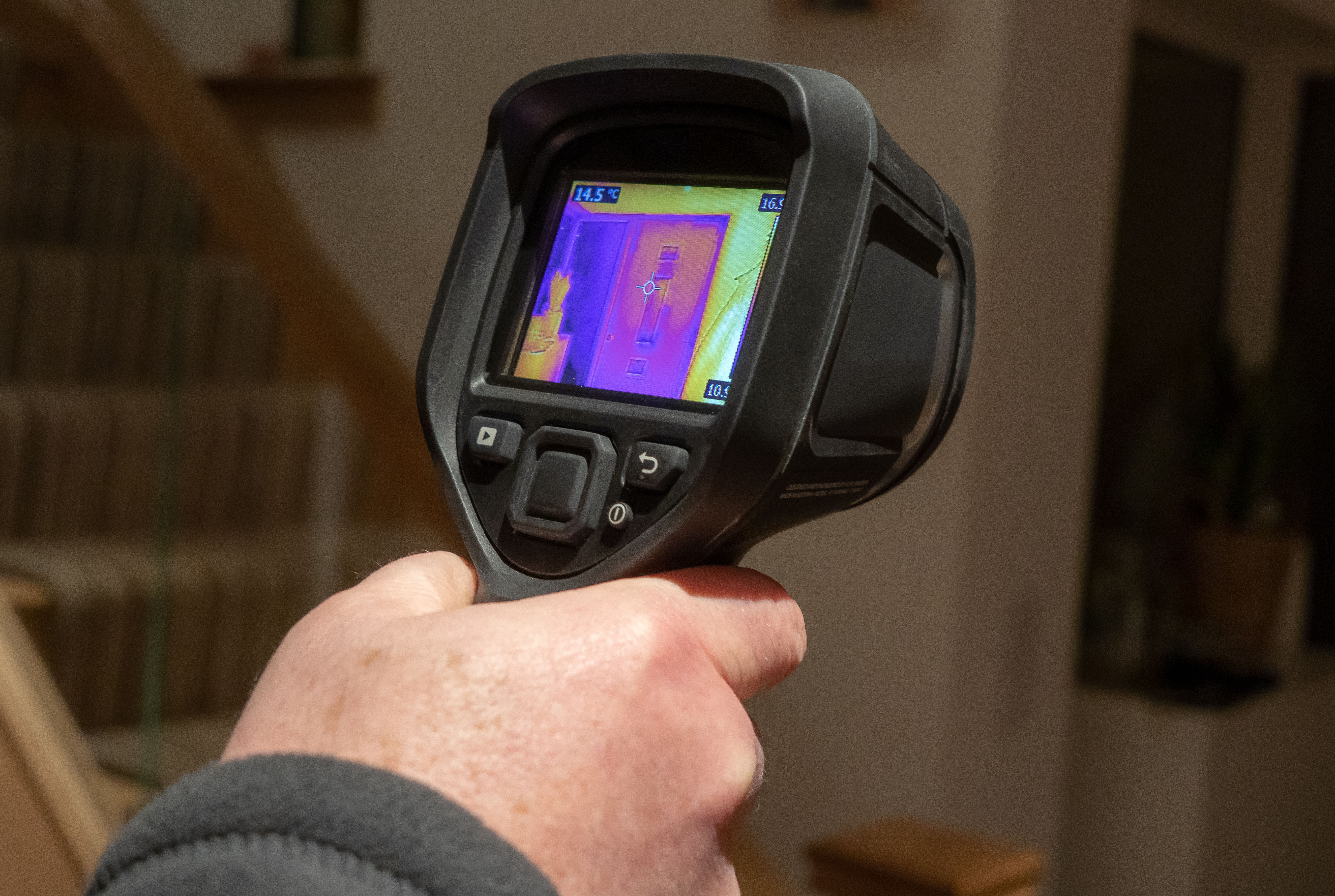
The difference between an energy auditor and a home inspector is primarily in the purpose of the inspection. The energy auditor conducts tests in your home to determine the energy efficiency levels in areas like windows, insulation, and doorways. The auditor then makes recommendations for ways to improve a home’s energy efficiency

A home inspector examines various structures of your home to determine that everything is up to code and gauge the condition of features like the roof, foundation, HVAC, and electrical. The home inspector reports on the overall home and makes repair recommendations.

Yes, including optimizing settings and suggesting upgrades if needed.

A good SEER rating for an HVAC system is typically between 15 and 20. However, minimum requirements vary by location; HVAC systems in northern states must have at least a 14 SEER rating, while those in southern states need a minimum of 15. For the highest possible efficiency, look for units with a SEER rating of 21 or higher. It's important to remember that a SEER rating represents the maximum efficiency a unit can achieve, not the level at which it will operate at all times.

Depending on the level of audit you choose, a home energy audit will at least include a walk-through of the home to determine visible inefficiencies, but may include testing and a highly detailed inspection and report laying out the home’s inefficiencies and providing recommendations to fix those issues. The audit may also include a review of utility bills and mechanical testing. Consult your home energy auditor about the types of services they provide before hiring.

Energy output depends on turbine size, average wind speed at your site, and system efficiency. A 5 kW turbine in a good wind location can generate 8,000 to 12,000 kilowatt-hours per year, which may cover a large portion of an average home’s needs. Accurate output estimates require a professional wind assessment and a review of your household’s energy usage patterns.

The Hazleton, IA homeowners’ guide to energy efficiency auditing services

From average costs to expert advice, get all the answers you need to get your job done.