







Top-rated deck repair pros.

Get matched with top deck repair pros in Waverly, IA

Enter your zip and get matched with up to 5 pros

Need a pro for your deck repair project in Waverly, IA?

Select your specific project to find the pro for you.

Find Deck repair pros in Waverly

MARTINS CONSTRUCTION II
New to Angi
Deck or Porch - Repair

Serving Waverly, IA and surrounding areas

In business since 2022

Free estimates

MARTINS CONSTRUCTION II is committed to excellence in every aspect of our business. We uphold a standard of integrity bound by fairness, honesty and personal responsibility. Our distinction is the quality of service we bring to our customers. Accurate knowledge of our trade combined with ability is what makes us true professionals. Above all, we are watchful of our customers' interests and make their concerns the basis of our business. Please give us a call today!

Deck Repair questions, answered by experts

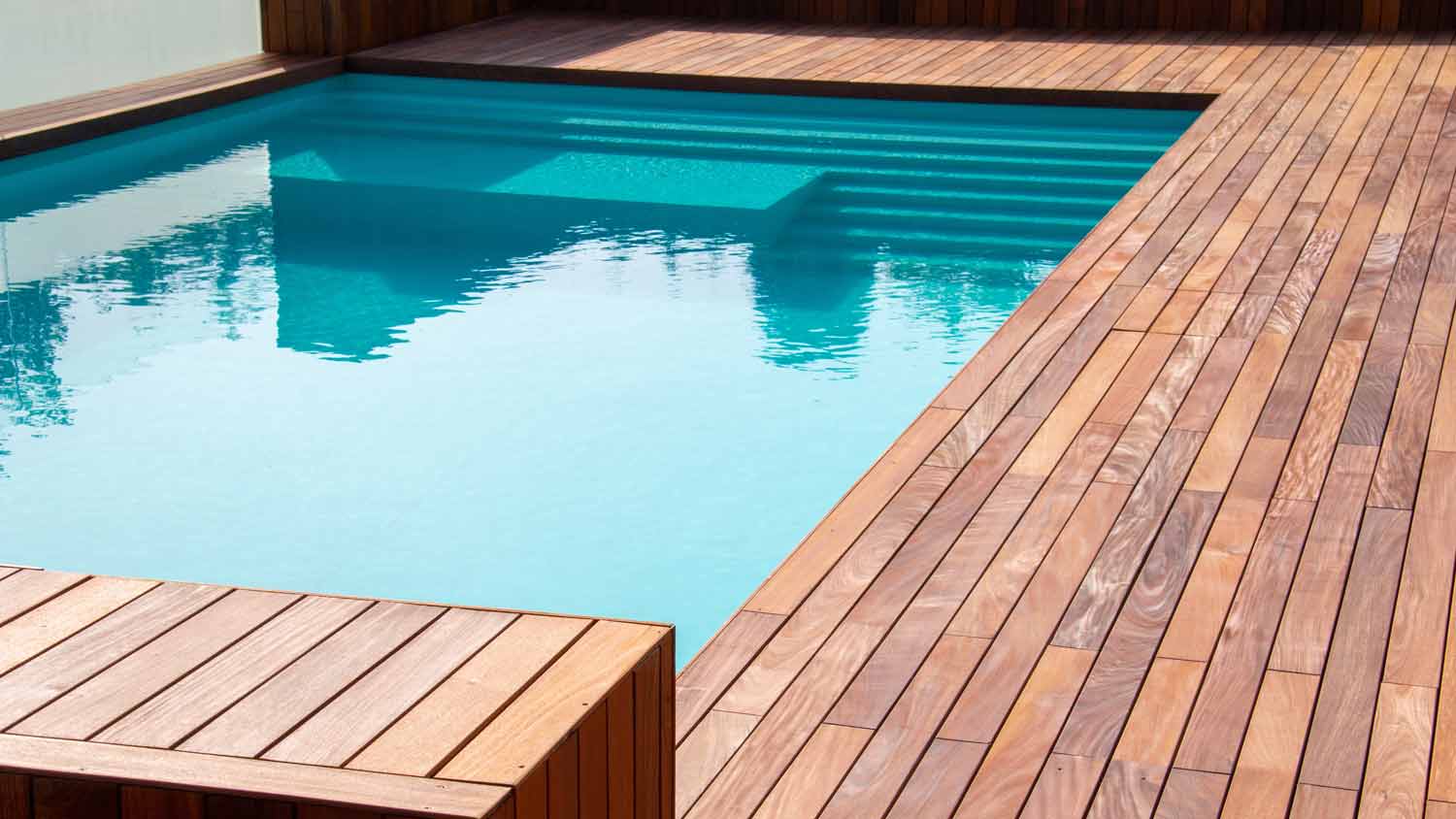
Yes, you can build a pool deck yourself, but it takes precision, a lot of time, and many specific tools. You’ll need to create a deck plan, be careful with measurements, cut each piece of wood, secure the pieces properly, and ensure the deck meets building codes. Building a deck around a pool is a rewarding DIY, but it’s time- and labor-intensive, so thoughtfully consider your abilities and the time you have before embarking on this DIY.

Footings for ground-level decks need to be at least 12 inches deep, and some areas require them to be even deeper. A standard range for deck footings is anywhere from 12 to 48 inches. The minimum footing depth is determined by an area’s frost line and soil conditions. If you’re unsure how deep to install deck footings, check local building codes to find the minimum footing depth in your area. 

Choices include wood, composite, and hardwoods, each with unique benefits.

Liquid rubber is great for waterproofing, but it can damage your deck if it’s not applied correctly. First, it can trap moisture in the wood if the deck isn’t completely dry before application.  Second, applying it too thickly can create a heavy, rubbery surface layer that peels and cracks under fluctuating temperatures. For the best results, ensure the wood is completely dry before application, and apply the liquid rubber in thin, even coats. A quick inspection every now and then will help you catch any issues early, keeping your deck protected and looking its best.

The proper height for a stair riser or deck step is between four and seven inches, with seven inches often considered the most comfortable. Building your stairs to this height ensures a strain-free step position and minimizes the risk of trip and fall injuries. For optimal safety and comfort, especially on deck stairs, a rise of around seven inches should be paired with a tread depth (or run) of at least 10 to 12 inches. While it is possible to design stairs with risers up to 12 inches, this height can be challenging for children, pets, or individuals with mobility issues. Always check with your local building codes, as they may mandate specific dimensions that differ from these general recommendations.

The Waverly, IA homeowners’ guide to deck repair services

From average costs to expert advice, get all the answers you need to get your job done.