





Top-rated painters.

Best painters near Walnut, IA

Enter your zip and get matched with up to 5 pros

Need a pro for your painting project in Walnut, IA?

Select your specific project to find the pro for you.

Top-Rated Painters in Walnut - Updated Nov 2026

Avatar for Martin Home Improvement
Martin Home Improvement
5.0(
4
)
Interior Painting or Staining: 1 - 2 RoomsInterior Painting or Staining: 3 - 4 RoomsPainting or Staining - Small Projects+1 more

Serving Walnut, IA and surrounding areas

Approved

In business since 1977

Free estimates

Small jobs welcome

"Bruce is fantastic to work with. Heâ s a super nice guy and he does what he says heâ s going to do. Pricing is always fair and competitive. Heâ s done several jobs for me inside and out. Highly recommend for any type of handyman job needed."
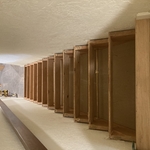
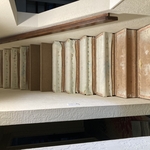
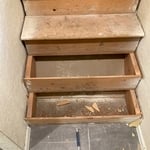
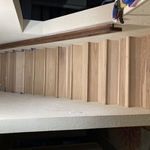
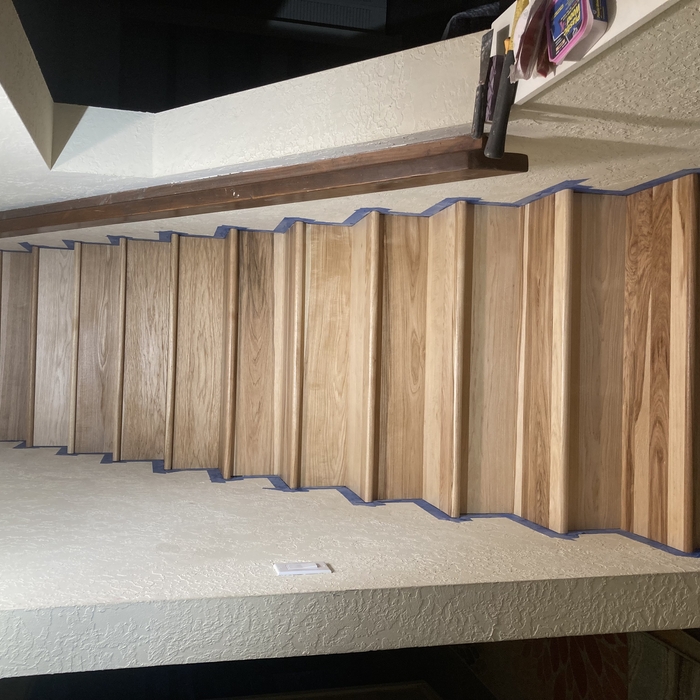
Replacing Treads
Removing Treads and Pads
Removing Treads
Almost finished
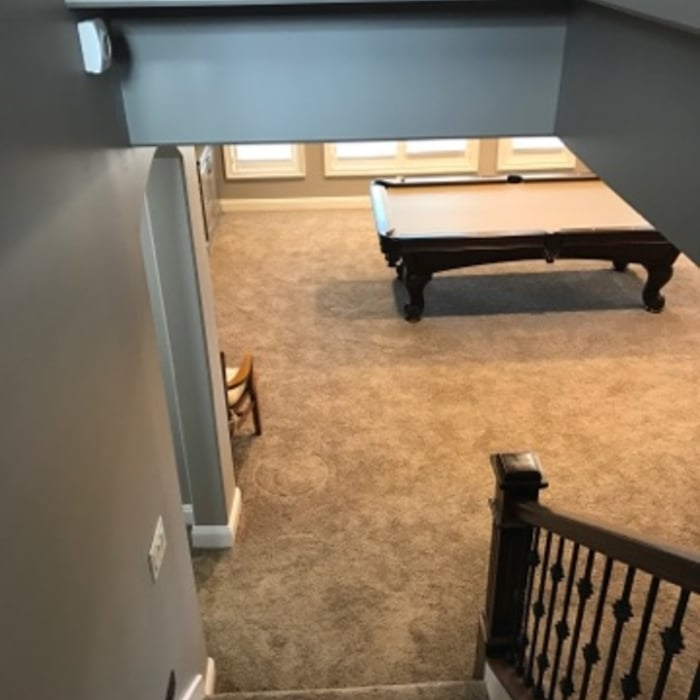
Stairs redone and refinished

+22

Response time1 day
Response rate97%
1 neighbors recently requested a quote
Avatar for Ecolecua
Ecolecua
4.5(
8
)
Interior Home or Surfaces - Paint or StainInterior Painting or Staining: 1 - 2 RoomsInterior Painting or Staining: 3 - 4 Rooms+5 more

Serving Walnut, IA and surrounding areas

Credit card accepted

"Ecolecuá offers a unique collaborative approach with her clients. On our project, she struck the perfect balance; she listened to our ideas and feedback but very much maintained her role as the creative expert, making us feel comfortable the entire time. I would absolutely recommend Ecolecuá with no hesitation. With all she has done, she is going to find the right approach for just about any client. Aileen Dominguez Dentist, Boston, Massachusetts"
Additional Photos
Additional Photos
Additional Photos
Additional Photos
Additional Photos

+3

Recommended by100%of homeowners
...
Showing 1-10 of 52
Painting FAQs, answered by experts

On most untreated wood fences, there is no need to sand before treating. You typically only need to sand if there’s an old coat of paint or stain on your fence. If you do need to sand off a previous paint or protective coating (like an old stain or sealant), use medium-grit sandpaper.

Limewash and whitewash are two techniques used to give brick a light, matte finish, but they differ in composition, application, and permanence. The best choice depends on your aesthetic goals and the specific surface.

Composition

  • Limewash: A natural and environmentally friendly option made from limestone, water, and sometimes pigments. It is breathable and soaks into porous surfaces like brick.

  • Whitewash: Traditionally made from lime, water, chalk, and binders, but a similar look can be achieved with watered-down white paint. It is paint-based and sits on top of the surface.

Appearance and Finish

  • Limewash: Provides a natural, textured appearance that allows the brick's character to show through. It offers a more traditional finish.
  • Whitewash: Creates a softer, more opaque finish, often used for a rustic or shabby-chic style.

Application and Permanence

  • Limewash: Is semi-permanent and can be removed, making it a good choice if you might want to change the look in the future. It requires more skill to apply and cannot be used on previously painted brick.

  • Whitewash: Is a more permanent solution. It is more forgiving to apply and can be used on painted brick. However, because it sits on the surface, it can trap moisture.

Ultimately, if you want a breathable, natural, and reversible finish for unpainted brick, limewash is a great option. If you need a more permanent, opaque coating that can be applied over painted surfaces, whitewash is the better choice. Whitewashing may also be more economical, costing approximately $1.40 to $4.20 per square foot.

100% acrylic latex lasts the longest for most siding. Premium 100% acrylic products carry lifetime warranties against peeling, blistering, and fading. Match the grade to your surface and climate for the best lifespan.

Adding a second coat of stain to wood can even out the color to some extent, but it won't drastically alter the hue if the initial application is too light or too dark. It's more effective at enhancing the richness of the color rather than significantly changing it. Ensure the first coat is dry before applying the second.

You can apply stain over peeling stain, but it’s not a good idea. Your old stain will get in the way of your new stain bonding to the wood, so you’re likely going to see the same issue again shortly after application. Your best option is to sand off the old stain and clean the surface thoroughly before applying new stain.

The Walnut, IA homeowners’ guide to painting services

From average costs to expert advice, get all the answers you need to get your job done.