





Top-rated concrete resurfacing pros.

Best concrete resurfacing pros near Walnut, IA

Enter your zip and get matched with up to 5 pros

Need a pro for your concrete resurfacing project in Walnut, IA?

Select your specific project to find the pro for you.

Top-Rated Concrete resurfacing pros in Walnut - Updated Nov 2026

Avatar for Elite Granillo Restoration
Elite Granillo Restoration
5.0(
4
)
Concrete Flatwork - Repair & ResurfaceConcrete Flatwork - Repair & Resurface- For Business

Serving Walnut, IA and surrounding areas

In business since 2018

Free estimates

Warranties offered

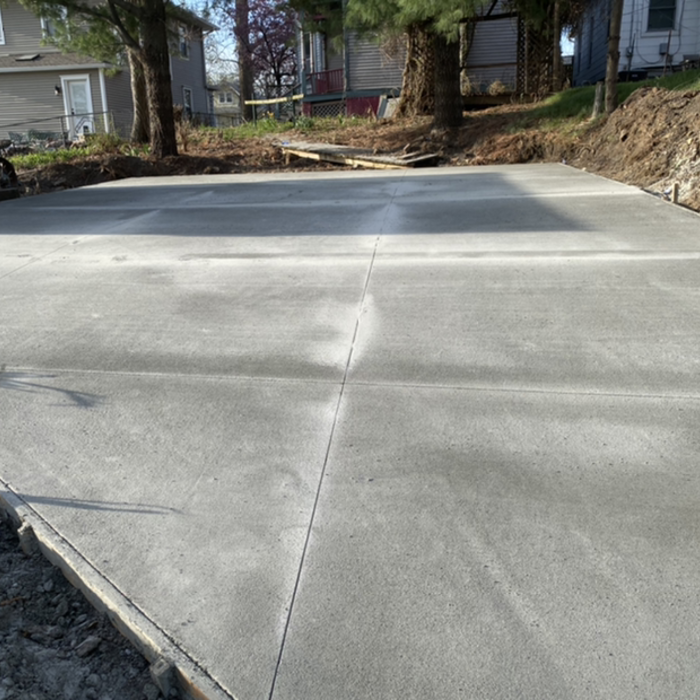
"We recently bought a new home that was renovated and we noticed quickly that the exterior of the house had been pretty much ignored completely. We thought we needed stucco repair and it wasn’t until we found Marvin and Jesus that we realized we have EIFS - an entirely different material that needs more consistent maintenance - especially in cold temps. They are a father + son duo with lots of experience. They did an impeccable job finding exposed areas of the house from top to bottom and took the time to not only patch them up but make sure they looked nice too. I am beyond grateful I found them. They are honest, have very fair pricing and take the time to talk your through the job to ensure you’re getting what you need. I will also add they can help with a variety of projects! We most recently had them pour some concrete to expand our patio space and they did it beautifully! I also needed some electrical and epoxy work so I plan to work with them again in the future. Thank you, Marvin, Jesus and the whole team!"
Additional Photos
Additional Photos
Additional Photos
Additional Photos
Additional Photos

+12

Recommended by100%of homeowners

Dave Navarro Construction
5.0(
2
)
Concrete Flatwork - Repair & ResurfaceConcrete Flatwork - Repair & Resurface- For Business

Serving Walnut, IA and surrounding areas

In business since 2010

Free estimates

"The workmanship was excellent. The work was completed within the time frame agreed upon as well as the price quoted. Everything was done very professionally from start to finish. I HIGHLY recommend Dave Navarro Construction for any interior remodeling. I will definitely use him again - without hesitation."
Recommended by100%of homeowners

Concrete Resurfacing FAQs, answered by experts

For thin driveway cracks that aren’t widening or lengthening, a polyurethane crack filler is usually the best way to seal the crack and prevent further damage from water and ice. If you have cracks that are more than ⅛-inch wide or driveway cracks that continue to grow, you should call in a professional driveway repair company to fix underlying problems—like insufficient support from the soil underneath—before filling in the cracks. An epoxy sealant is a better option for wider cracks after the surface is leveled and the underlying problem is fixed.

Concrete leveling is absolutely worth it if you have sunken concrete slabs and want to restore them to level, especially if the slab is part of your home foundation. Concrete leveling is less than half the price of replacing concrete sidewalks, patios, walkways, and pool decks, and it’s about a quarter of the cost of replacing a foundation. If you also treat the underlying problem, it can be a worthwhile and permanent solution.

A layer of exposed aggregate concrete should be 1 to 2 inches thick if you’re installing it on top of existing concrete. If you’re pouring a new slab with the finish, slab thickness will depend on the application. Exposed aggregate concrete driveways should be 4 to 6 inches thick in most cases or 8 to 12 inches for commercial vehicles. Sidewalks, patios, and walkways should be 4 inches thick.

Small cracks should be filled with a flexible crack filler, like a rubberized asphalt-emulsion crack filler or a flexible masonry crack filler. Larger cracks need something a bit more solid to prevent further movement and to avoid having to use too much of the flexible filler. For concrete, you can use a concrete backer rod while asphalt can handle sand, gravel, or even dirt.

While you don’t technically need to grind concrete before resurfacing, it is very helpful. Grinding creates a rough, porous surface on the concrete, which gives the resurfacing material something to latch onto. Grinding your concrete before resurfacing can ensure that your resurfacing material lasts longer, reducing additional concrete resurfacing costs down the line.

The Walnut, IA homeowners’ guide to concrete resurfacing

From average costs to expert advice, get all the answers you need to get your job done.