
Top-rated snow removal pros.

Get matched with top snow removal pros in Walker, IA

Enter your zip and get matched with up to 5 pros

Need a pro for your snow removal project in Walker, IA?

Select your specific project to find the pro for you.
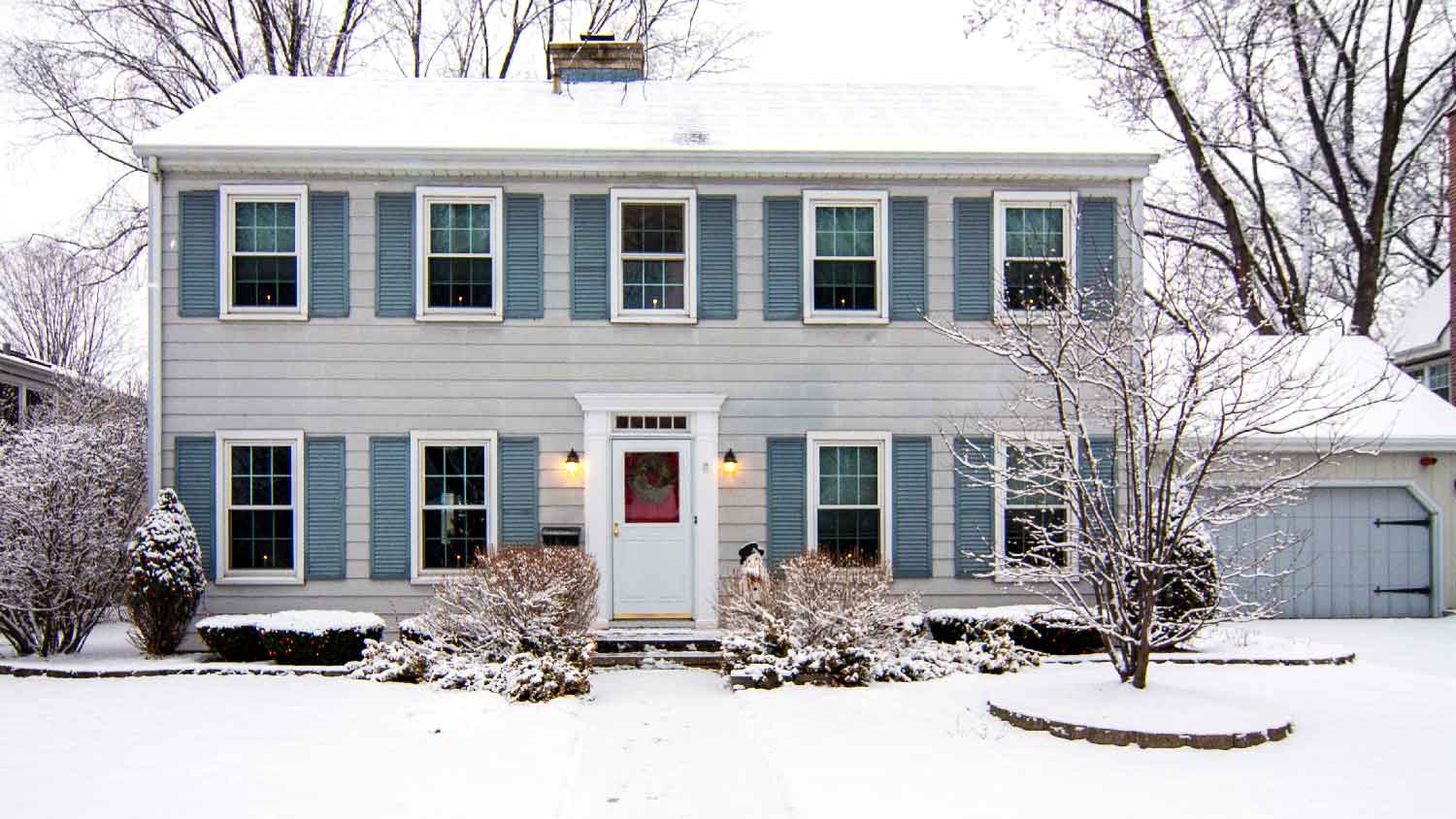
Find Snow removal pros in Walker

Avatar for Barefoot Handyman
Barefoot Handyman
4.8(
22
)

Serving Walker, IA and surrounding areas

In business since 2020

Credit card accepted

"Tony and his wife did a great job planting saplings in my yard and making a garden for me. They worked hard, knew what they were doing and were fun to be around. Iâ ll definitely use Tonyâ s services again."
roof damage tear off
roof damage
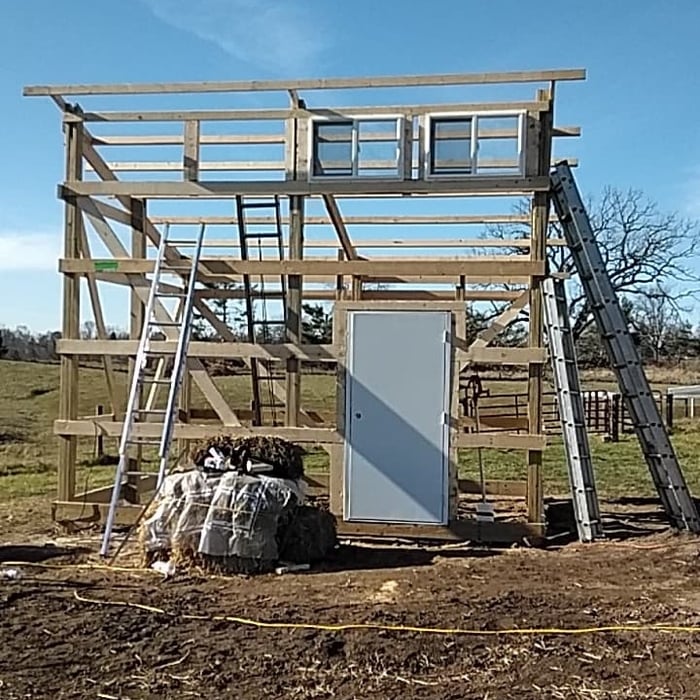
basic frame
poles set
frame door windows

+60

Response time10 hrs
Recommended by93%of homeowners
Avatar for Division One
Division One
4.9(
4
)

Serving Walker, IA and surrounding areas

In business since 2021

Free estimates

Credit card accepted

With 6 years of industry experience, we are a locally owned and operated company that values honesty and integrity and treats your property with respect and care. We offer tree trimming and removal services that are customizable to the needs of the home or business owner. We pride ourselves on the quality of our work as well as our commitment to outstanding results. We look forward to building lasting relationships with our clients and guarantee your satisfaction!

Response time2 days
Showing 1-10 of 28
Snow Removal questions, answered by experts

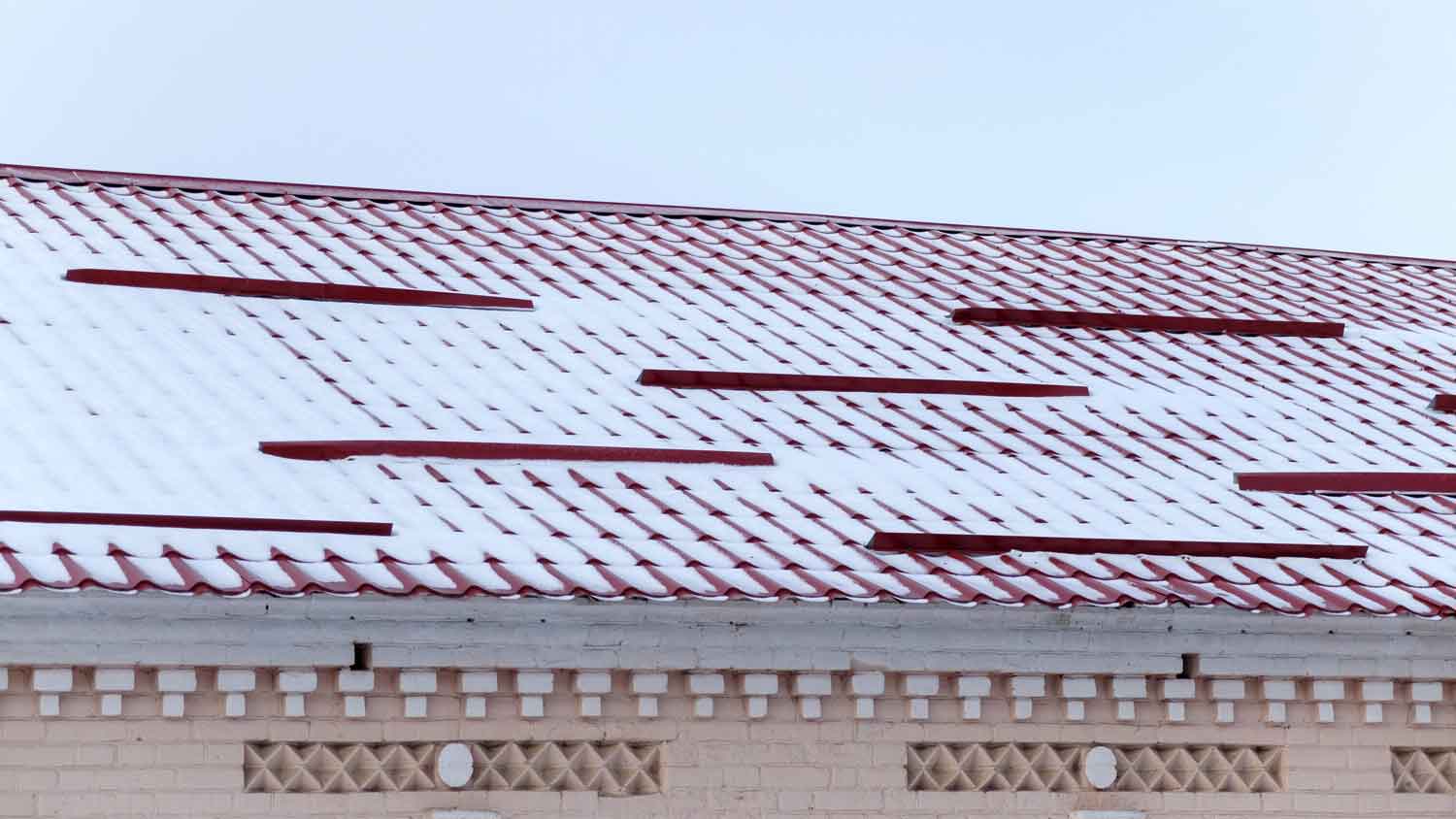
Removing snow from your roof can help prevent ice dams, but the best thing to do is address insulation issues in your attic. If you do decide to remove the snow manually, you should always use a roof rake rather than a shovel. You shouldn’t climb your snowy roof in any circumstance, and roof rake allows you to remove the snow from the ground or a ladder. For the best results, remove snow as soon as possible after it falls.

Whether salt melts ice overnight will depend on how low the temperature drops. If temperatures stay around 30 degrees Fahrenheit, you can count on salt melting ice overnight. Otherwise, the lower temperatures get, the less effective the salt is in melting ice, and the more likely you’ll wake up with a slippery driveway the next day. 

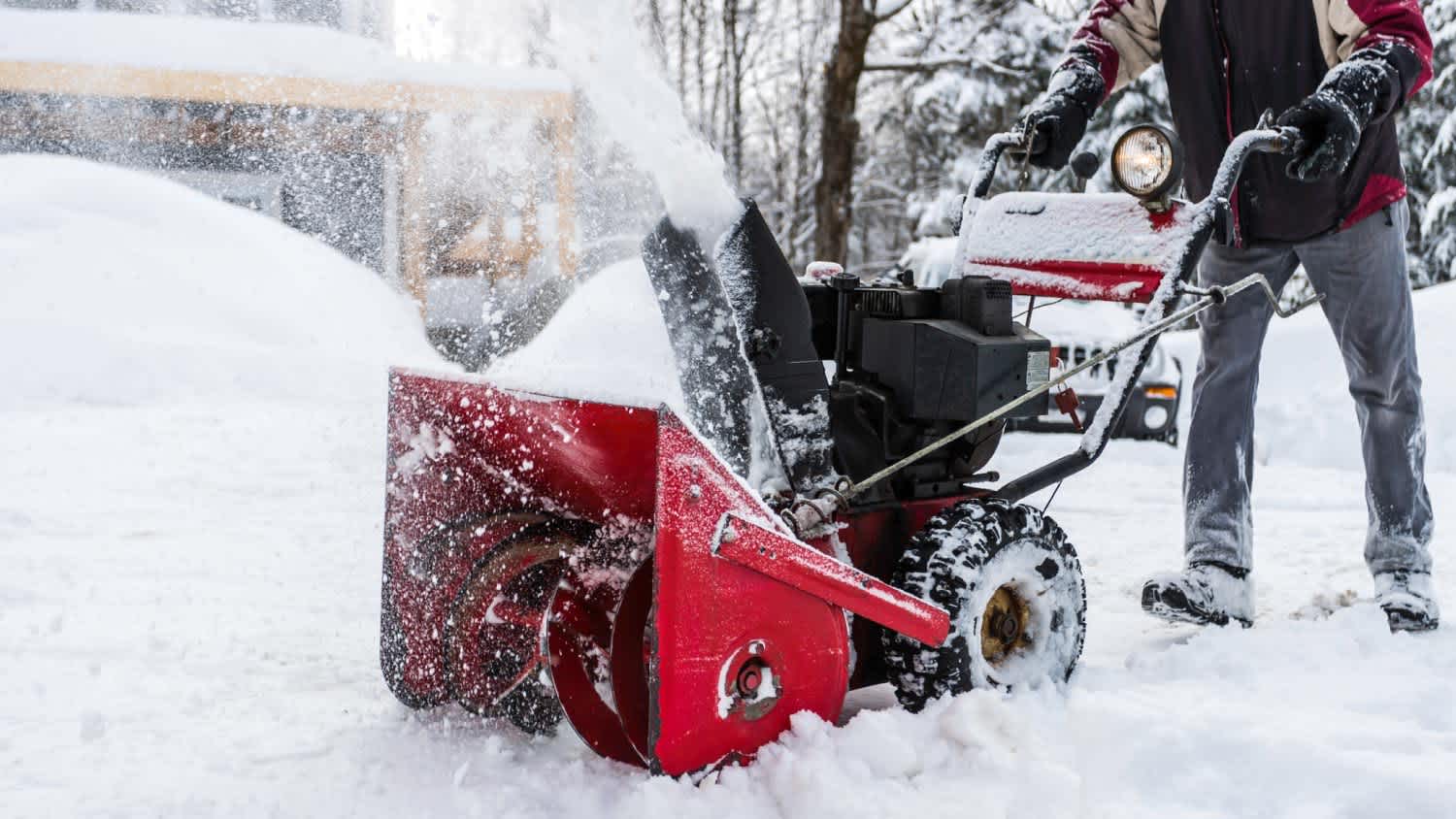
There is no hard and fast rule about using a snowblower on a specific amount of inches, but most snow removal experts suggest using one on 2 or more inches of snow for best results. This will also depend on what type of surface you’re working on and whether the snow is dry or wet. 

When starting the engine, you typically leave the choke on a snowblower in the "choke" or "closed" position. After starting, let the engine run for a few minutes to warm up. Then, gradually open the choke, moving it to the "open" or "run" position, allowing more air into the engine and transitioning to a normal fuel-air mixture. The exact duration varies based on the snowblower model and ambient temperature, but as a general rule, you should open the choke once the engine has stabilized and runs smoothly, typically within a few minutes.

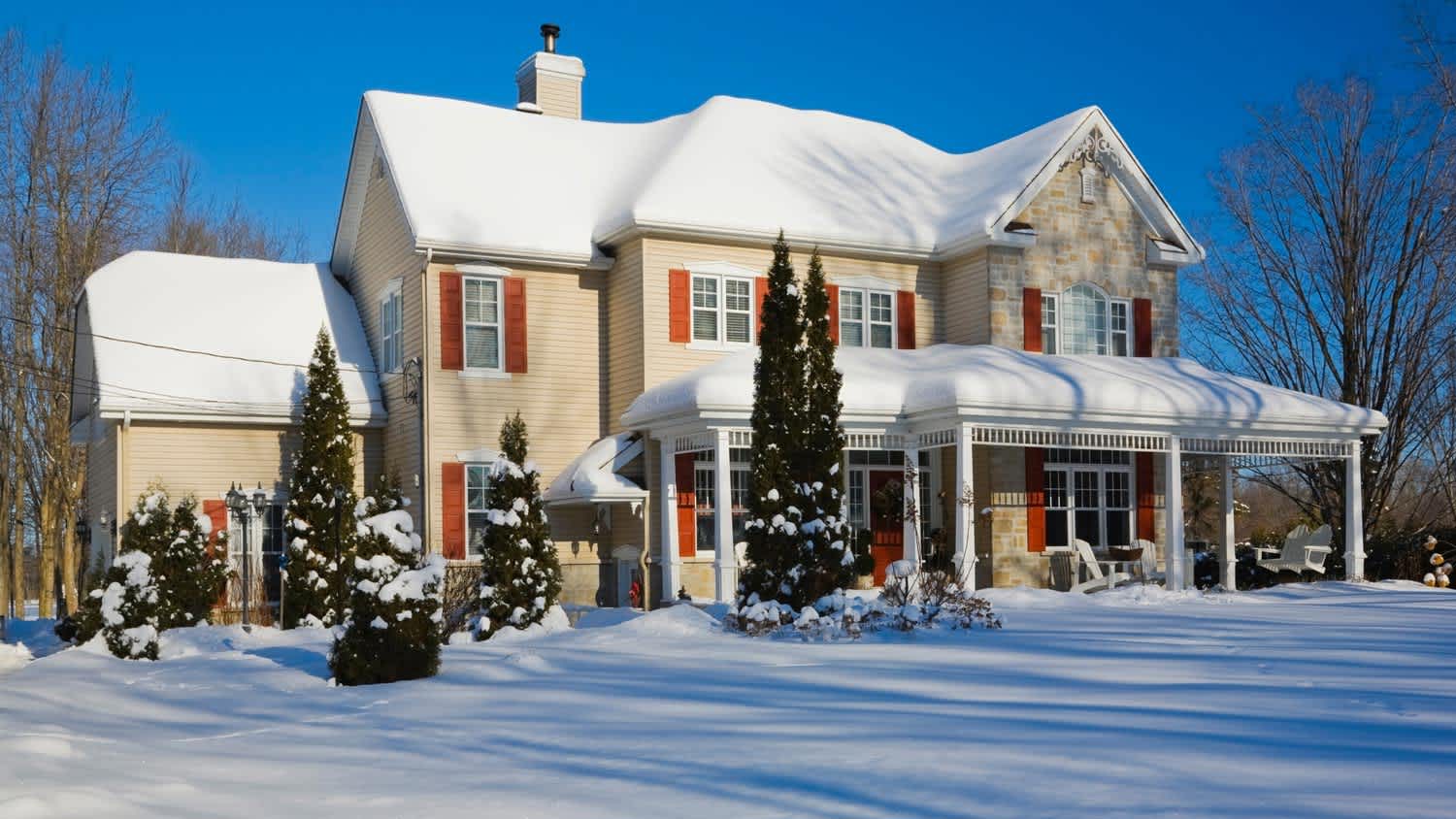
Leaving a significant amount of snow on your roof can be risky. Most roofs are designed to handle about 20 pounds per square foot of snow, but exceeding this limit can lead to a roof collapse. A collapse can cause severe damage to your home and belongings and poses a physical danger to anyone inside. Furthermore, heavy snow accumulation increases the risk of ice dams, which can cause leaks and water damage to your roof, attic, and interior walls.

The Walker, IA homeowners’ guide to snow removal services

From average costs to expert advice, get all the answers you need to get your job done.