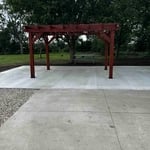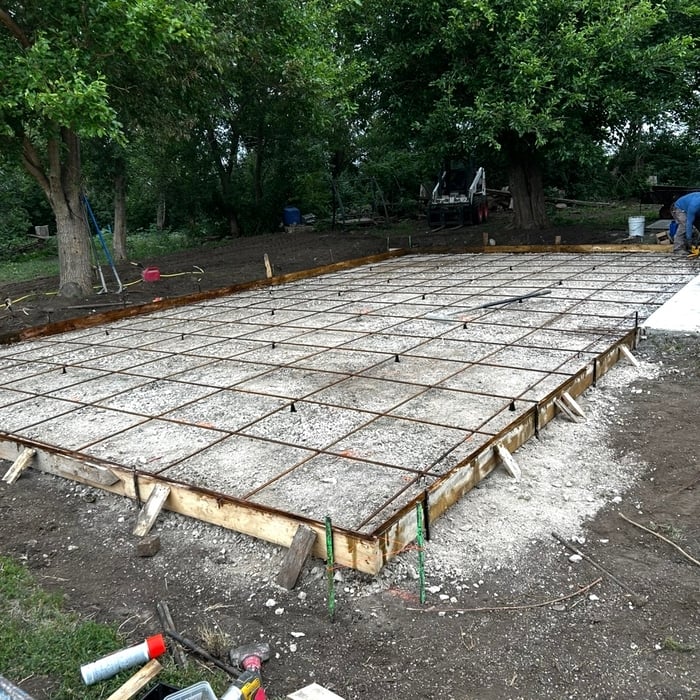





Top-rated asphalt driveway pros.

Get matched with top asphalt driveway pros in Spencer, IA

Enter your zip and get matched with up to 5 pros

Need a pro for your asphalt driveway service project in Spencer, IA?

Select your specific project to find the pro for you.

Find Asphalt driveway pros in Spencer

Dave Navarro Construction
5.0(
2
)
Concrete Driveways & Floors - Install- For BusinessConcrete Driveways - Install

Serving Spencer, IA and surrounding areas

In business since 2010

Free estimates

"The workmanship was excellent. The work was completed within the time frame agreed upon as well as the price quoted. Everything was done very professionally from start to finish. I HIGHLY recommend Dave Navarro Construction for any interior remodeling. I will definitely use him again - without hesitation."
Recommended by100%of homeowners
Showing 1-10 of 15
Asphalt Driveways questions, answered by experts

New asphalt goes through two stages: drying and curing. Drying typically takes 24 to 72 hours, after which the surface is solid enough for light use like walking or careful driving. While you may be able to park on it after 72 hours, the surface is still soft and should be treated gently. Full curing is a much longer process, taking anywhere from 30 days to a full year for the asphalt to reach maximum strength. During this extended curing period, the asphalt is susceptible to damage from heavy vehicles, sharp objects, and high temperatures. Factors like weather, the specific asphalt mix, and application thickness all influence drying and curing times. For the most accurate timeline and to ensure the longevity of your new asphalt, it is always best to consult with your installation contractor for their specific recommendations.

Instead of a set number of types, asphalt comes in variations designed for different needs. Some are categorized by temperature—hot mix, warm mix, and cold mix. Others are sorted by composition, like dense-graded, gap-graded (such as Stone Matrix Asphalt), porous, and mastic asphalt. There are also modified versions with added compounds like polymers, rubber, or emulsions. Instead of focusing on a number, it may be more useful to understand how contractors customize asphalt for durability, climate, and traffic conditions.

There’s no single best asphalt grade—it all comes down to where and how it’s used. Highways and heavy-traffic roads need something tough, like polymer-modified asphalt (PMA) or Stone Matrix Asphalt (SMA). Local roads and parking lots rely on the Performance Graded (PG) system, chosen based on climate. A PG 64-28 mix, for example, handles a broad temperature range while simpler, more cost-effective mixes are typically enough for residential driveways. The best grade of asphalt depends on traffic, weather, and your budget, which is why a professional’s input is always a smart move before making a decision.

An asphalt driveway should be at least 3 inches thick over a compacted gravel base. Areas with poor drainage should have a thicker stone base. To install a new asphalt driveway over an existing driveway, the new asphalt should be at least 2 inches thick and the existing driveway should be in relatively good condition.

The decision to repair or replace your driveway depends on the extent of the damage. If your driveway has a few small cracks, a simple repair will do the trick. If you see larger cracks and potholes, it may be time to consider resurfacing or replacement. Resurfacing is a great option if more than 25% of the surface is damaged, but if the damage is extensive—deep cracks or significant sinking—it’s best to replace the driveway entirely. A new driveway, with proper care, can last decades while patching or resurfacing might only hold up for a few years before needing more attention.

The Spencer, IA homeowners’ guide to asphalt driveway services

From average costs to expert advice, get all the answers you need to get your job done.