




Top-rated asphalt driveway pros.

Best asphalt driveway pros near Aurelia, IA

Enter your zip and get matched with up to 5 pros

Need a pro for your asphalt driveway service project in Aurelia, IA?

Select your specific project to find the pro for you.

Top-Rated Asphalt driveway pros in Aurelia - Updated Nov 2026

Avatar for R & J Concrete
R & J Concrete
4.9(
8
)
Concrete Driveways - InstallConcrete Driveways & Floors - Install- For Business

Serving Aurelia, IA and surrounding areas

Approved

In business since 2025

Free estimates

Small jobs welcome

"From the first conversation with R & J Concrete I knew we were in good hands for our concrete project. Communication was great. Arrived each work day on time. No unnecessary delays other than wet weather. The pad, foundation and footings were all done exactly to the building plan. I have been working with contractors for over 35 years. They are one of the best I have worked with."
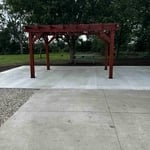
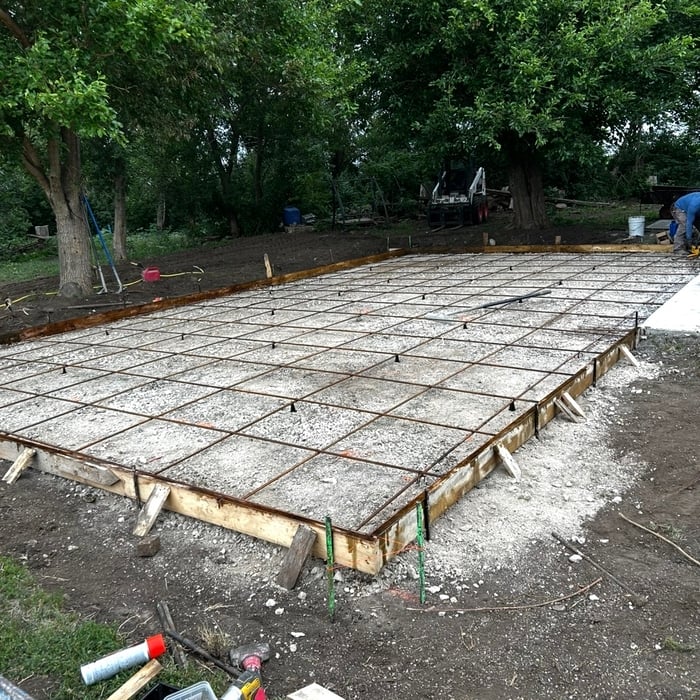
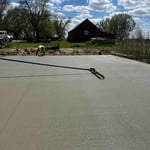
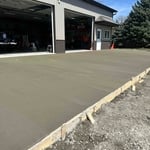
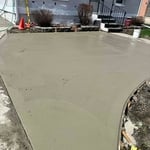
Concrete slab 30x40
Concrete slab 20x64
Concrete slab 20x64
Concrete slab 19x15
12 neighbors recently requested a quote

Dave Navarro Construction
5.0(
2
)
Concrete Driveways & Floors - Install- For BusinessConcrete Driveways - Install

Serving Aurelia, IA and surrounding areas

In business since 2010

Free estimates

"The workmanship was excellent. The work was completed within the time frame agreed upon as well as the price quoted. Everything was done very professionally from start to finish. I HIGHLY recommend Dave Navarro Construction for any interior remodeling. I will definitely use him again - without hesitation."
Recommended by100%of homeowners
Showing 1-10 of 19
Asphalt Driveways FAQs, answered by experts

Asphalt dries and cures best between 50 and 85 degrees Fahrenheit. This range allows moisture to evaporate quickly without causing the asphalt to cool too fast, which can negatively affect the drying process. However, keep in mind that other weather conditions can also affect curing and drying times, such as precipitation and humidity.

Several materials are suitable for steep driveways. Gravel and crushed stone are affordable options that provide good traction. Permeable pavers—such as plastic, rubber, or concrete—filled with gravel or crushed stones are also excellent, as they allow water to drain without causing erosion and perform well in ice and snow. Another option is resin, which can be coated with an anti-slip finish and helps prevent puddles. For added stability, you can install a retaining wall to prevent pavers and gravel from shifting over time.

When hiring an asphalt paving contractor to install your driveway, ask as many questions up front as possible. Here are a few questions to ask a prospective driveway contractor:

  • How many years of experience do you have?

  • Are you licensed, bonded, and insured?

  • Do you have worker’s compensation?

  • Do you use subcontractors on your projects?

  • Do you clean up after the job is done?

  • Who is responsible for any damage to lawn or landscaping?

  • Do you provide a guarantee or warranty on your work?

  • Do you give free estimates?

  • What is the timeline for completion?

  • How do you handle change orders?

  • Can you provide at least three references?

  • Can I see some of the work you’ve done?

New asphalt goes through two stages: drying and curing. Drying typically takes 24 to 72 hours, after which the surface is solid enough for light use like walking or careful driving. While you may be able to park on it after 72 hours, the surface is still soft and should be treated gently. Full curing is a much longer process, taking anywhere from 30 days to a full year for the asphalt to reach maximum strength. During this extended curing period, the asphalt is susceptible to damage from heavy vehicles, sharp objects, and high temperatures. Factors like weather, the specific asphalt mix, and application thickness all influence drying and curing times. For the most accurate timeline and to ensure the longevity of your new asphalt, it is always best to consult with your installation contractor for their specific recommendations.

Wet cutting is usually the preferred method. It controls dust, which helps protect your lungs and makes for a cleaner working environment. Plus, the water cools the blade, preventing overheating and prolonging its life while providing smoother, more precise cuts. The downside is the mess—water and asphalt sludge can be messy to clean. Dry cutting, though convenient if water isn’t available, creates a lot of dust, which can be harmful. This also increases the risk of blade damage due to overheating. So, if you have the option, wet cutting is the better method for most asphalt jobs.

The Aurelia, IA homeowners’ guide to asphalt driveway services

From average costs to expert advice, get all the answers you need to get your job done.