


Top-rated radon detection and reduction specialists.

Get matched with top radon detection and reduction specialists in Sioux Rapids, IA

Enter your zip and get matched with up to 5 pros

Need a pro for your radon detection and reduction project in Sioux Rapids, IA?

Select your specific project to find the pro for you.

Find Radon detection and reduction specialists in Sioux Rapids

Avatar for Iowa Radon Defense Northwest
Iowa Radon Defense Northwest
4.7(
54
)

Serving Sioux Rapids, IA and surrounding areas

Approved

In business since 2020

Free estimates

Warranties offered

"Radon mitigation work was great. Duct cleaning is something I will not recommend from this company. Team started to cutopen HVAC duct and later figured out the machine is not working , followed different approach to clean each vent. I contacted sales person and he said it is going to be same results either way and same price was charged. Charged 1.7k for 3400 sq ft home for duct cleaning."
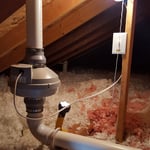
Interior Exhaust Fan
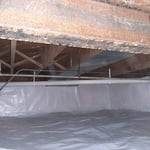
Crawlspace Encapsulation with Radon Mitigation
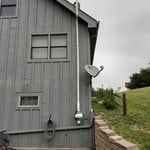
Exterior Exhaust Fan and Discharge
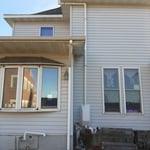
Exterior Exhaust Fan with Cover
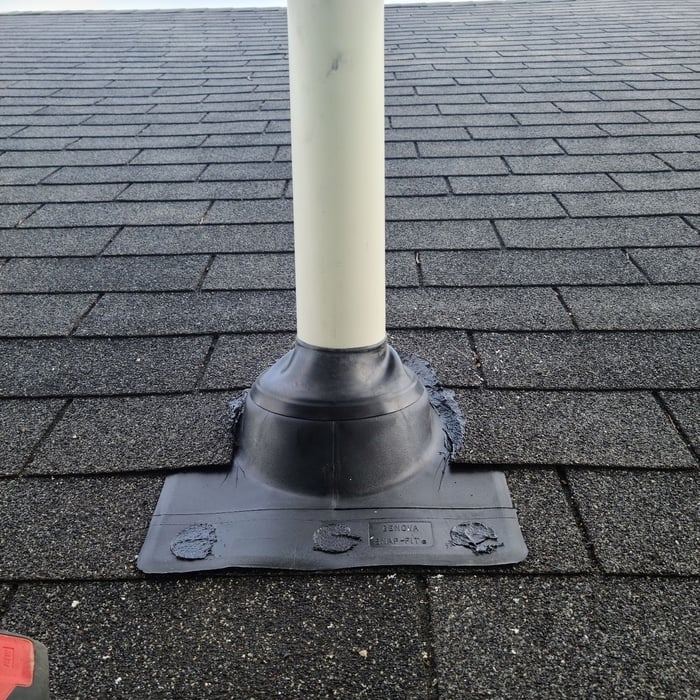
Roof Penetration Discharge Pipe with Roof Boot

+23

Response time1 day
29 neighbors recently requested a quote
Recommended by96%of homeowners

Radon Detection and Reduction questions, answered by experts

Radon detection is crucial as prolonged exposure to radon gas, a leading cause of lung cancer, poses significant health risks in residential environments.

No level of radon is technically safe, but since it is present everywhere, complete avoidance is impossible. The average radon level in homes across the United States is 1.3 picocuries per liter (pCi/L). The Environmental Protection Agency (EPA) recommends taking preventative measures if your home's radon levels are between 2 and 4 pCi/L or higher.

The natural breakdown of uranium in soil, rock, and water can cause radon to appear in a home. The gas seeps into homes through cracks in foundations, walls, or floors, as well as through gaps around pipes or construction joints. Radon levels are influenced by soil composition, building materials, and ventilation. Poorly sealed or airtight homes can trap radon, allowing it to accumulate.

Keeping radon from getting into your home is much better than having to get rid of it once it's already indoors. While there may not be a way to fully prevent radon from getting into your home, there are things you can do to reduce the gas's ability to enter. 

Sealing foundation cracks and openings can help keep the gas from seeping inside. Improving air flow, such as by opening windows, can also be helpful. If you're building your home from scratch, talk to your contractor about using radon-resistant construction to keep the gas out.

The fan that pulls the radon out of the air needs to run continuously, so you may see an increase in your electric bill once you install the mitigation system. Additionally, you may see an increase in your heating or cooling bills, as the fan can cause some loss of hot or cool air.

The Sioux Rapids, IA homeowners’ guide to radon detection and reduction services

From average costs to expert advice, get all the answers you need to get your job done.

What do you need done? We’ll find top pros.
  • 🌱 "Mow a small front yard"
  • 🛠 "Fix a leaking pipe under the sink"
  • 🏠 "Repair shingles on an asphalt roof"