


Top-rated radon detection and reduction specialists.

Get matched with top radon detection and reduction specialists in Rolfe, IA

Enter your zip and get matched with up to 5 pros

Need a pro for your radon detection and reduction project in Rolfe, IA?

Select your specific project to find the pro for you.

Find Radon detection and reduction specialists in Rolfe

Avatar for Iowa Radon Defense Northwest
Iowa Radon Defense Northwest
4.7(
54
)

Serving Rolfe, IA and surrounding areas

Approved

In business since 2020

Free estimates

Warranties offered

"Radon mitigation work was great. Duct cleaning is something I will not recommend from this company. Team started to cutopen HVAC duct and later figured out the machine is not working , followed different approach to clean each vent. I contacted sales person and he said it is going to be same results either way and same price was charged. Charged 1.7k for 3400 sq ft home for duct cleaning."
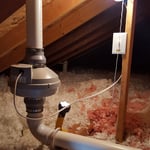
Interior Exhaust Fan
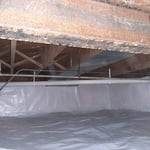
Crawlspace Encapsulation with Radon Mitigation
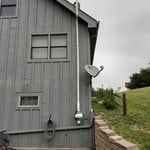
Exterior Exhaust Fan and Discharge
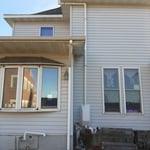
Exterior Exhaust Fan with Cover
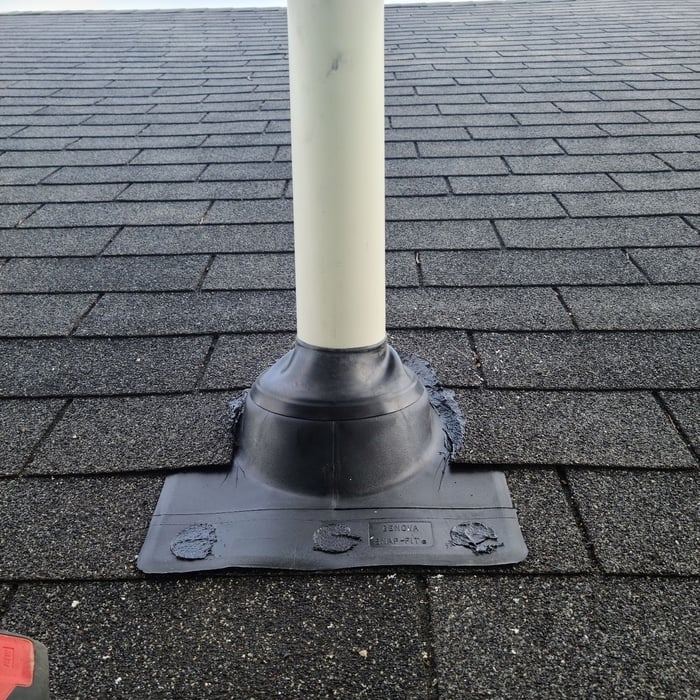
Roof Penetration Discharge Pipe with Roof Boot

+23

Response time1 day
28 neighbors recently requested a quote
Recommended by96%of homeowners
Radon Detection and Reduction questions, answered by experts

No, air purifiers are not an effective way to reduce or remove radon. Radon is a radioactive, inert gas that cannot be filtered by standard air purifiers, which are designed to capture particulates like dust and mold. While an air purifier can improve indoor air quality by removing other pollutants, it should not be relied upon for radon. The only effective solution for high radon levels is a dedicated radon mitigation system.

The soil beneath your house is most likely what’s causing an increased level of radon. This is because soil holds radioactivity for a long time and it’s also what most buildings are built on. Another common source of radon is water from a source that hasn’t been through periodic radon tests, such as well water. Over time, the radon from the soil can inhabit other parts of your house like the foundation or plumbing.

While DIY testing is possible, abatement generally requires professional installation to ensure efficacy and meet safety standards.

Your radon fan needs to operate 24/7 to be effective. The only time the fan isn't operating is during its replacement. Radon levels in the home can increase within hours if the fan stops working or something obstructs the stack vent. Fortunately, radon systems require no downtime maintenance between fan changes.

The average radon mitigation system uses about 876 kWh of electricity per year, although the exact amount of electricity used will vary depending on the size of the radon fan. Once the system is installed, the annual increase to your energy bill could range from $30 to $300 per year, again depending on the size of the fan.

The Rolfe, IA homeowners’ guide to radon detection and reduction services

From average costs to expert advice, get all the answers you need to get your job done.

What do you need done? We’ll find top pros.
  • 🌱 "Mow a small front yard"
  • 🛠 "Fix a leaking pipe under the sink"
  • 🏠 "Repair shingles on an asphalt roof"