


Top-rated radon detection and reduction specialists.

Get matched with top radon detection and reduction specialists in Algona, IA

Enter your zip and get matched with up to 5 pros

Need a pro for your radon detection and reduction project in Algona, IA?

Select your specific project to find the pro for you.

Find Radon detection and reduction specialists in Algona

Avatar for Iowa Radon Defense Northwest
Iowa Radon Defense Northwest
4.7(
54
)

Serving Algona, IA and surrounding areas

Approved

In business since 2020

Free estimates

Warranties offered

"Radon mitigation work was great. Duct cleaning is something I will not recommend from this company. Team started to cutopen HVAC duct and later figured out the machine is not working , followed different approach to clean each vent. I contacted sales person and he said it is going to be same results either way and same price was charged. Charged 1.7k for 3400 sq ft home for duct cleaning."
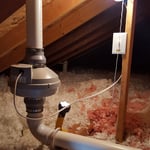
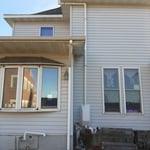
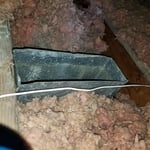
Interior Exhaust Fan
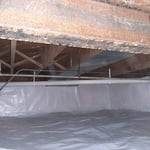
Crawlspace Encapsulation with Radon Mitigation
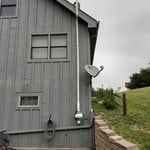
Exterior Exhaust Fan and Discharge
Exterior Exhaust Fan with Cover
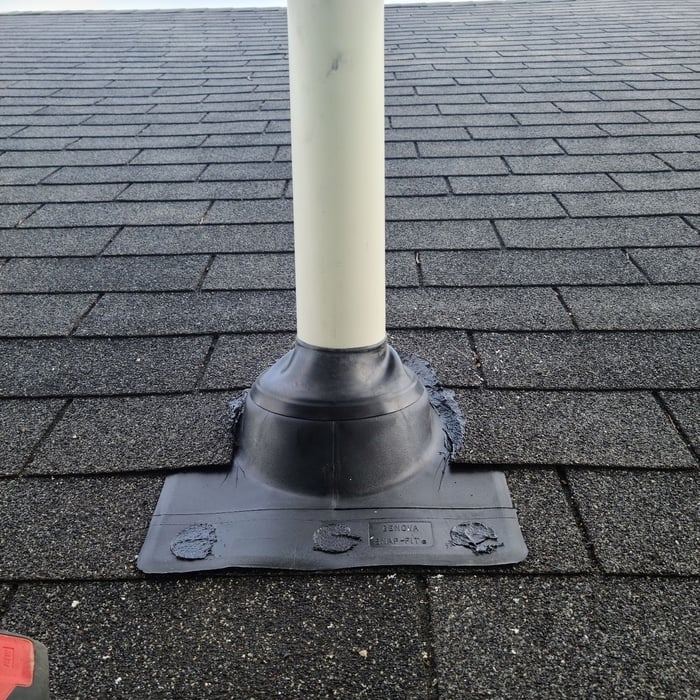
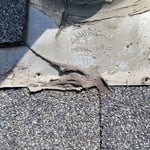
Roof Penetration Discharge Pipe with Roof Boot

+23

Response time1 day
29 neighbors recently requested a quote
Recommended by96%of homeowners
Radon Detection and Reduction questions, answered by experts

You'll need to test your home for radon after installing the mitigation system, then again every two years. If radon remains elevated, contact a licensed radon professional, either the contractor who installed the system or a different one, and have them evaluate the system. They may need to make some changes to improve its effectiveness and performance.

Your radon mitigation system may be loud because it’s time to replace it. Any sounds are usually from the inline fan that helps create the vacuum and resulting airflow. If you hear a new, loud mechanical or humming noise from your radon fan, it might be time to replace it. Most fans used in radon mitigation systems last up to 10 years, but may need to be replaced sooner.

No level of radon is technically safe, but since it is naturally present everywhere, it is impossible to avoid entirely. The average radon level in homes across the United States is 1.3 picocuries per liter (pCi/L). The Environmental Protection Agency (EPA) recommends taking action to reduce radon levels if your home's test results are between 2 and 4 pCi/L or higher.

Installing a mitigation system reduces radon levels, which can cause lung cancer, providing peace of mind and long-term health benefits. It can also increase your home’s value, as many buyers prefer properties with radon safety measures in place. The investment is relatively low compared to the potential health risks associated with prolonged radon exposure.

Radon is present almost everywhere but, like sunlight, the concentration levels and how often you are exposed to it have a large part to play in just how dangerous it is. There are levels of radon that are acceptable inside a house, but above a certain limit, radon becomes a serious radioactive hazard that is a known cause of lung cancer. In fact, radon exposure is the number two leading cause of lung cancer (after smoking).

The Algona, IA homeowners’ guide to radon detection and reduction services

From average costs to expert advice, get all the answers you need to get your job done.

What do you need done? We’ll find top pros.
  • 🌱 "Mow a small front yard"
  • 🛠 "Fix a leaking pipe under the sink"
  • 🏠 "Repair shingles on an asphalt roof"