








Top-rated pool table assembly pros.

Get matched with top pool table assembly pros in Pleasant Hill, IA

Enter your zip and get matched with up to 5 pros

Need a pro for your pool table assembly project in Pleasant Hill, IA?

Select your specific project to find the pro for you.

TRUSTED BY PLEASANT HILL, IA HOMEOWNERS

  • Average homeowner rating star icon4.5
    Average homeowner rating
  • Verified reviews icon168
    Verified pool table assembly services reviews

Find Pool table assembly pros in Pleasant Hill

Premier Renovations
4.8(
31
)
Handyman for Multiple Small Projects

Serving Pleasant Hill, IA and surrounding areas

Approved

In business since 1975

Free estimates

Customers say: Quick response

"We worked with Jack for about 5 weeks on a kitchen/downstairs remodel. He arrived on time every day and is just a really nice guy. And he did excellent work. Jack went above and beyond on everything he did...fixing cracks before painting, etc. We're thrilled with everything he did and highly recommend him to all of our friends."
Before exterior
After exterior
Kitchen
Kitchen after remodel
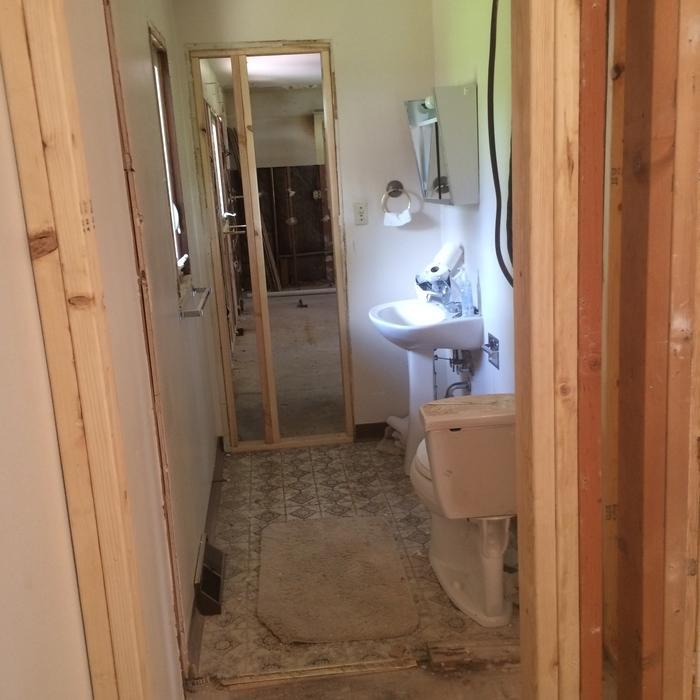
Master bath before

+101

Recommended by100%of homeowners

...
Showing 1-10 of 301
Pool Table Assembly questions, answered by experts

Pool lights are designed to be safe by protecting swimmers from electrocution. These lights are made with waterproof fixtures and seals to prevent contact with the water.

Electrocution from pool lights is still possible, but rare. Faulty wiring or broken lighting equipment can make lights unsafe, so it’s important to replace lights as needed and have an electrician inspect and upgrade the wiring.

It’s a good idea to run the pool pump while swimming because your filter and skimmers will be active to help keep the water clean. Additionally, if you have pool features, you would naturally keep those pumps running while you swim. However, it’s not a requirement to run your pump while you swim.

It’s okay to leave a pool pump on 24-7. In fact, running it continuously has big upsides, including consistently distributing chemicals, keeping a steady pool temperature, preventing algae growth, and keeping pool water clean. However, there is a tradeoff—operating a pool pump around the clock increases energy costs and can take a toll on the pump’s longevity. If you want to run your pool pump all the time, invest in energy-saving equipment like a variable-speed pump.

The total time to install an inground pool typically ranges from 8 weeks to 4 months. This timeline can be influenced by several factors, including permitting, site preparation, and the construction process itself.

Key phases and their typical durations include:

  • Permits: Obtaining necessary permits can take anywhere from two to six weeks.

  • Excavation and Site Preparation: This phase takes about a week but can be extended by problematic soil, unexpected ground conditions, or the need to move underground utility lines.

  • Construction: The actual build, including plumbing and electrical work, often takes one to two months. The pool material is a major factor here; a concrete pool needs about 30 days to cure, while installing a fiberglass or vinyl liner is much faster.

External factors can also cause significant delays:

  • Contractor Availability: Spring and summer are busy seasons, and high demand can lead to long waitlists, potentially adding months to your start date. It is often recommended to start planning and getting estimates up to a year in advance.

  • Other Delays: Weather, material shortages, complex designs, and other unforeseen challenges can extend the project timeline.

Yes, pool pumps use a significant amount of electricity, making them one of the biggest energy consumers in a home. A pool pump can use up to three times as much electricity as a refrigerator. Typically, a residential pool pump consumes about 1 kilowatt-hour (kWh) for every hour it runs. Because pumps often need to run for about eight hours a day to properly filter the water, this can add up to an annual consumption of 3,000 to 5,000 kWh, which can cost between $480 and $800 per year based on average electricity rates.

The amount of electricity your pump uses depends on its size, energy efficiency, and daily run time. To lower your energy consumption, you can choose an energy-efficient or variable-speed pump, ensure it is correctly sized for your pool, and run it only for the minimum time required to keep the water clean.

The Pleasant Hill, IA homeowners’ guide to pool table assembly services

From average costs to expert advice, get all the answers you need to get your job done.