


Top-rated excavation pros.

Get matched with top excavation pros in Newhall, IA

Enter your zip and get matched with up to 5 pros

Need a pro for your excavation project in Newhall, IA?

Select your specific project to find the pro for you.

Find Excavation pros in Newhall

Downs Excavating LLC
5.0(
4
)
Building Site - Preparation and ClearingBuilding Site - Preparation and Clearing - For BusinessExcavation - Major Grading or Resloping+2 more

Serving Newhall, IA and surrounding areas

In business since 2024

Free estimates

Offers commercial services

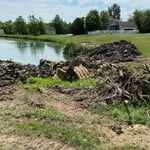
"Contacted Downs Excavating to assist with hauling away junk and debris from flood damage and he was quick to show up and get the job done! Fast and friendly service and have recommended Travis to everyone I know."
Response time5 hrs
Recommended by100%of homeowners

Cedar Prairie Grading, LLC
5.0(
6
)
Building Site - Preparation and ClearingBuilding Site - Preparation and Clearing - For BusinessExcavation - Major Grading or Resloping+1 more

Serving Newhall, IA and surrounding areas

In business since 2016

Free estimates

"Tom did a great job and when he was done he did several extra things that he thought would help that were not originally discussed for no extra charge. He helped solve a drainage problem behind my house."
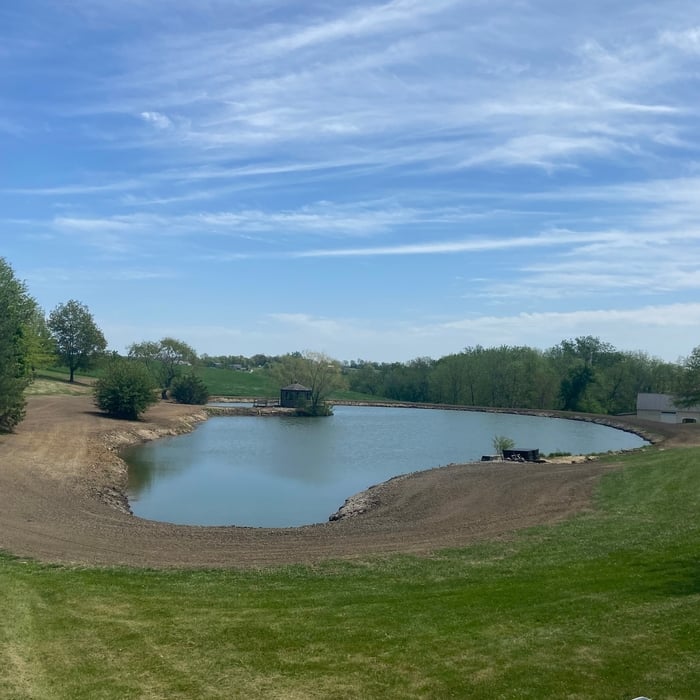
Prepairing to build pond
Response time1 day
Recommended by100%of homeowners
Showing 1-10 of 24
Excavating questions, answered by experts

The best method for digging a trench depends on the scope of the project. For a short, shallow trench (less than 2 feet deep) in light, soft soil, digging by hand may be sufficient. However, digging by hand is labor-intensive, so consider the effort required. A machine trencher is the better option for longer trenches (over 100 feet), deeper ones, or when dealing with difficult soil conditions, such as rocky or hard ground, or obstructions like tree roots. A machine can save significant time and energy in these situations.

Above ground pools are not buried in the ground. Typically, above ground pools are semi-permanent. One reason they’re more affordable is that you don’t have to dig for an inground pool and pour concrete or another material. However, you can choose to install a semi inground pool, which is a hybrid between the two.

It can take several weeks for the ground to settle after removing a tree, and the soil under larger, more mature trees can take months. The deeper the tree has been ground under the soil, the longer it will take to settle. However, this extra depth can help you plant new landscaping sooner because you’ll have more space for fresh soil.

Most residential basements are 8 to 10 feet deep. You can dig deeper depending on building codes, but it does become more difficult. You’ll likely need to install stronger foundation walls and additional supports to handle the increased load. Depending on the water table, you may also need a water management system. Clay soil can support a deeper foundation than sandy soil. A structural engineer will be able to tell you the maximum, feasible depth.

In the United States, a depth of 36 inches (three feet) for underground water lines is the accepted industry standard. This depth varies from location to location based on local conditions. In areas with colder winters, they may be buried deeper to prevent frozen well water pipes : This is usually at least six inches below the frost level. The International Plumbing Code calls for a minimum of 12 inches below grade.

The Newhall, IA homeowners’ guide to excavation services

From average costs to expert advice, get all the answers you need to get your job done.