





Top-rated generator install pros.

Get matched with top generator install pros in Lowden, IA

Enter your zip and get matched with up to 5 pros

Need a pro for your generator install project in Lowden, IA?

Select your specific project to find the pro for you.

Find Generator install pros in Lowden

Avatar for Powerup Electric
Powerup Electric
5.0(
9
)
Fixed Generator - InstallFixed Generator - RepairGenerator - Install - For Business+1 more

Serving Lowden, IA and surrounding areas

In business since 2024

Free estimates

Warranties offered

"Lane came out and provided estimate for my project! He was truly great! Answered all my questions I had! Was very caring and worked with my hectic schedule! Andy came out to do the install and they got me on the schedule to complete the job so quick! I will recommend PowerUp to all my friends and family! Thank you so much!"
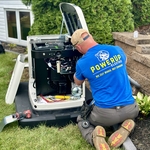
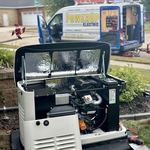
Whole Home Generator Installation
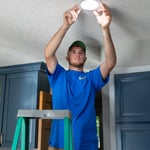
Added Can Lighting to Kitchen
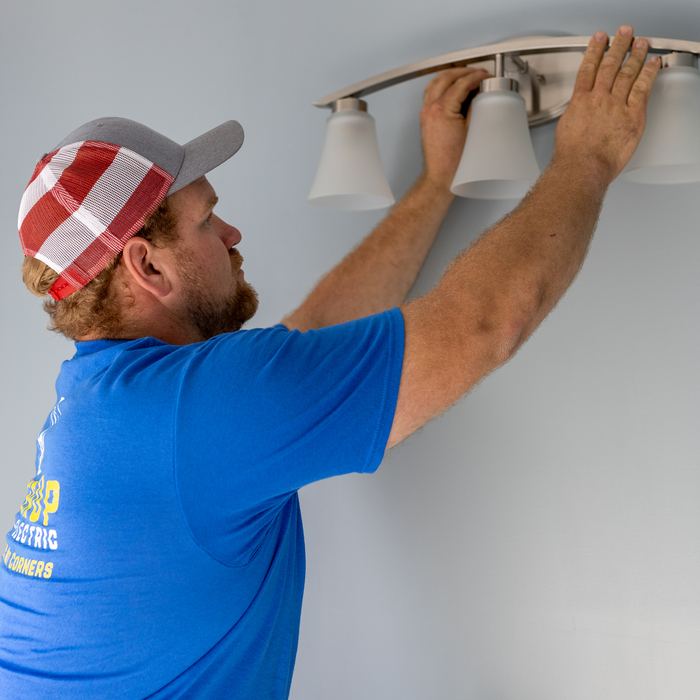
Bathroom Light Fixture
Whole Home Generator Installation
Vanity Light

+7

Response time11 hrs
Response rate90%
Recommended by42%of homeowners
Avatar for Cannon Solar
Cannon Solar
New to Angi
Fixed Generator - InstallFixed Generator - RepairGenerator - Install - For Business+1 more

Serving Lowden, IA and surrounding areas

In business since 2023

Free estimates

Credit card accepted

is committed to excellence in every aspect of our business. We uphold a standard of integrity bound by fairness, honesty, and personal responsibility. Our distinction is the quality of service we bring to our customers. Accurate knowledge of our trade combined with ability is what makes us true professionals. Above all, we are watchful of our customers' interests and make their concerns the basis of our business.\n

Response time9 hrs
Response rate100%
Generator Install questions, answered by experts

While diesel is relatively stable, it won’t last nearly as long as propane and you may have to replace it if it sits unused for too long. Diesel can sometimes struggle to work efficiently or start engines during especially cold weather, so it’s not the best choice for every climate. Compared to fuels like propane and natural gas, diesel generators tend to be noisier and create more exhaust, which isn’t always ideal for home use.

A portable generator can supply power to selected appliances and circuits in a home, but it's generally not designed to handle the entire household's electrical needs simultaneously. Portable generators have limited wattage capacity, so they are only designed to power essential devices and electronics temporarily until local power is restored. If your power needs outweigh the capabilities of a portable generator, consider installing a whole-home generator instead.

To determine the right size generator for your house, you should calculate the total wattage of the appliances and devices you want to power during an outage. List all essential items, note their start-up wattages, and add them together.

Here are some typical wattage requirements for common appliances:

  • Refrigerator: 600 watts

  • Large dehumidifier: 700 watts

  • Large window air conditioner: 1,400 watts

  • Water heater: 3,000 to 4,500 watts

  • Electric furnace: 5,000 to 25,000 watts

A 7,500-watt generator might be sufficient for essentials like a refrigerator, freezer, well pump, and lighting circuits. However, for high-demand items like a water heater or furnace, a whole-home generator is a better choice. A portable generator may be enough if you only need to power a few critical items.

While home square footage can offer a rough estimate, it is not always a reliable indicator. For reference, here are some typical generator sizes based on square footage:

  • 1,000 sq ft: 6–9 kW

  • 1,500 sq ft: 7–10 kW

  • 2,000 sq ft: 10–14 kW

  • 2,500 sq ft: 12–16 kW

  • 3,000 sq ft: 16–20 kW+

For the most accurate sizing, consult a professional who can calculate your home's peak and average power consumption and recommend the optimal generator.

You can determine what size generator you need for a transfer switch by matching the switch to the largest outlet on your generator. Larger generators can power up to 10 circuits, while most 5,000-watt generators can provide power to six circuits. So, if your generator’s largest outlet is 30 amps, you’ll need a 30-amp transfer switch.

Generally, you’ll want to keep between 60 and 70 feet between the generator and the transfer switch. There are a few reasons for this, including:

  • The distance reduces the noise coming from the generator into your home.

  • It increases efficiency because you won’t have a voltage drop from this short of a distance.

  • Prevents carbon monoxide poisoning: keep at least 15 feet between your generator and an open window. 

The Lowden, IA homeowners’ guide to generator installs

From average costs to expert advice, get all the answers you need to get your job done.