




Top-rated roofers.

Best roofers near Humboldt, IA

Enter your zip and get matched with up to 5 pros

Need a pro for your roofing project in Humboldt, IA?

Select your specific project to find the pro for you.

Top-Rated Roofers in Humboldt - Updated Nov 2026

Avatar for Erie Home
Erie Home
4.4(
73
)
Asphalt Shingle Roofing - Install or Replace

Serving Humboldt, IA and surrounding areas

Approved (Corporate)

In business since 1976

Free estimates

Credit card accepted

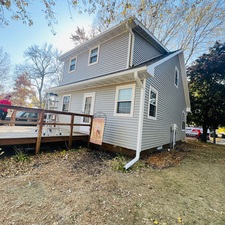
"Workers showed up on time. Big job installing tiles to waterproof our 110 year old house. We are very happy with the results. It was an expensive project but well worth the money"
Basement Projects
Basement Projects
Basement Projects
Basement Projects
Basement Projects

+25

8 neighbors recently requested a quote
Recommended by93%of homeowners
R & J Williams, Inc.
4.1(
75
)
Asphalt Shingle Roofing - Install or ReplaceAsphalt Shingle Roofing - Repair

Serving Humboldt, IA and surrounding areas

In business since 1992

Free estimates

Emergency services offered

"Rod is a very nice man and very pleasant to work with. His roofers did a good job. There was a problem with the skylights, but Rod had his roofers fix the problem to our satisfaction. All the work was done in a timely manner. Rod usually takes a few days or so to return a phone call."
Recommended by26%of homeowners
Avatar for SIBLINGS CONSTRUCTION, LLC
SIBLINGS CONSTRUCTION, LLC
5.0(
4
)
Asphalt Shingle Roofing - Install or ReplaceAsphalt Shingle Roofing - RepairFlat, Foam or Single Ply Roofing - Repair+3 more

Serving Humboldt, IA and surrounding areas

In business since 2019

Free estimates

Credit card accepted

"We had roof replaced along with siding, gutters, faisha, sofets and two windows. They came over right away for an inspection and to give a quote. Got started right after supplies arrived. If any problems came up explained the problem and what would be done to fix it."
Response time1 day
Response rate100%
Recommended by100%of homeowners
...
Showing 1-10 of 73
Roofing FAQs, answered by experts

The easiest type of roof to build is a shed-style or lean-to roof, which features a single sloping plane from one side of the building to the other. Unlike a gable roof with two sides meeting in the middle, a shed roof's single slope makes the construction process more straightforward. The rafters are typically single pieces of wood that span the distance, often without the need for additional supports.

Building an A-frame roof falls under the category of constructing a steep roof. While its structure is relatively simple, its height and requirements for more materials than a shallow roof design can increase its cost significantly. Expect prices for building an A-frame roof to hover around average to slightly above average.

Yes, but it won't be as effective as installing it as part of a new roof because it won't be as water-resistant. However, a drip edge installed after the fact is better than no drip edge at all.

Fall is widely considered the best time of year to replace a roof. The moderate temperatures are ideal for roofing crews to work and for new shingles to seal properly. Additionally, autumn weather is often drier, reducing the risk of weather-related delays compared to the rainier spring season.

While spring is also a viable option, the higher chance of rainfall can slow down the project. The main drawback to a fall installation is that it's the peak season for roofers, which can lead to higher prices and scheduling challenges.

To potentially save money, you could consider scheduling your roof replacement during the summer or winter off-seasons. However, both seasons have significant disadvantages. Extreme summer heat can make shingles too soft to handle, while winter's cold, snow, and ice can create dangerous working conditions and prevent shingles from sealing correctly, as they typically require temperatures above 40-45°F.

The proper specifications for furring strips can vary, so you should always consult the roofing manufacturer's guidelines or your roofer. However, general recommendations are as follows:

  • Thickness: Furring strips are typically 1 to 1-1/2 inches thick, meaning standard 1-by or 2-by lumber works well. In areas with extreme winds, a thinner strip may be preferred to limit how much air can get under the roof and cause uplift. A thicker strip can add slightly more insulation but will also increase installation costs.

  • Spacing: The recommended spacing for furring strips is between 12 and 24 inches apart on center. Proper spacing is crucial for ensuring good airflow, adequate drainage, noise reduction, and better energy efficiency. The ideal spacing can depend on the roof's pitch and the specific type of metal roofing being installed.

The Humboldt, IA homeowners’ guide to roofing services

From average costs to expert advice, get all the answers you need to get your job done.