Leaf Home Water Solutions provides best-in-class water filtration and softener products for healthy, purified water that protects both the home and family. With state-of-the-art water testing materials, dedication to White Glove installation and service, best-in-class products, and the support of the nation's largest home solutions company, homeowners can feel confident choosing Leaf Home Water Solutions. Since all installations are tailored to specific water needs, custom solutions may include enhanced impact on hair and skin, energy savings on bills, increased appliance longevity, and elimination of hard water contaminants like calcium and magnesium, while also combatting taste and odor issues by filtering out chlorine and other organic compounds. The team of professionals at Leaf Home Water Solutions takes great pride in knowing that families are provided with the cleanest, crispest, and heathiest water possible.
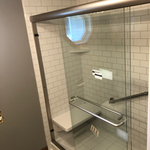
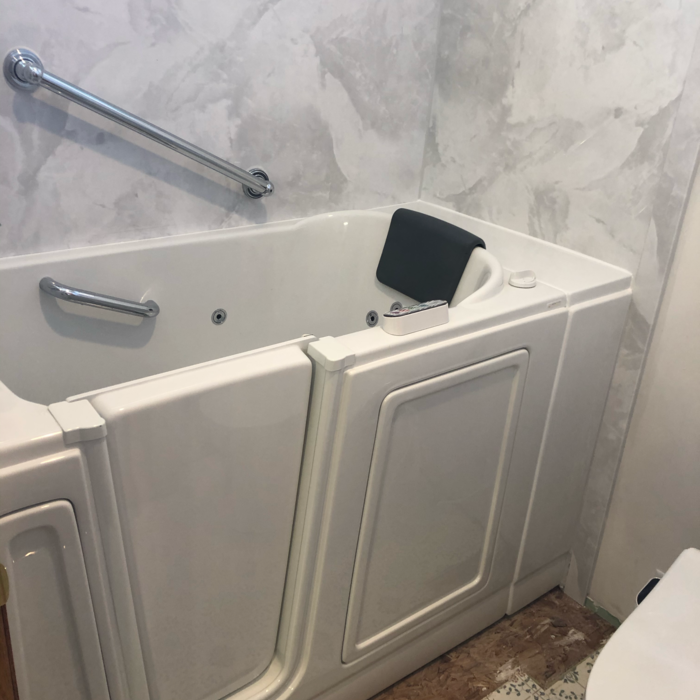
"Jason did an amazing job on our new shower, tile, toilet and vanity. He was very polite and we couldn’t be happier with the skills he has. 10/10 he’s the guy to hire for your bathroom jobs. So affordable and was willing to work with our color schemes and schedules."
Quality Work at Affordable Prices - We are a locally owned and operated company that values honesty and integrity, and stands behind our work. We specialize in residential Water Treatment System. We've earned a solid reputation in our 30 years of business, and pride ourselves on the quality of our work as well as our commitment to outstanding results. We look forward to building long-term relationships with our clients and guarantee your satisfaction!
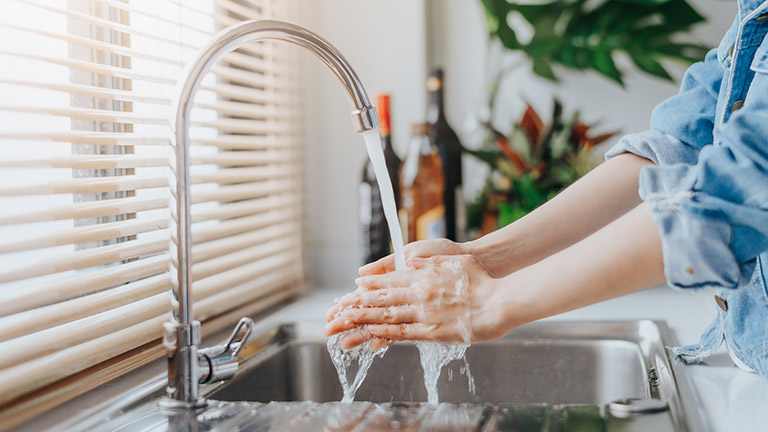
Yes. Hard water is what causes scale buildup, and a whole-house filter provides numerous benefits beyond water softening. Any water that enters your home will go through the filter, which cleans up all water that you will use for cooking, bathing, and drinking. A whole-house water filter also blocks harmful particles like heavy metals.
Whether you need a permit or license for a water softener installation depends on your location, as requirements vary significantly. Some municipalities require the installer to hold a plumbing license, some mandate a permit and an inspection, and others require both. In some areas, no special permit or license is needed at all.
To determine the rules in your area, you can contact your local building department or consult a local water softener installer or plumber. Often, only certified professionals are authorized to pull the necessary permits, and they will typically handle the entire permitting process for you. Regardless of local laws, it is always recommended to hire a licensed professional to ensure the system is sized and installed correctly. You can use Angi’s state licensing tool to check an installer’s license status.
Whether you need a license or permit for water softener installation depends on your location. Some municipalities require the installer to hold a plumbing license, while others may only require a permit and an inspection. In some cases, both a permit and a licensed installer are necessary, and some areas have no requirements at all. Often, only certified plumbers and electricians are allowed to pull the necessary permits. To find out the specific regulations in your area, you can contact your local building department. Alternatively, a local water softener installer or plumber will be familiar with the requirements and can typically pull the permits for you. Regardless of local laws, it is always recommended to hire a licensed professional to ensure the system is sized and installed correctly. You can use tools like Angi’s state licensing tool to verify an installer's license status.
You can use a commercial water repellent treatment for glass on your shower doors to prevent water spots. Take care to only apply the product to glass. Letting air circulate also helps prevent water spots, as water is less likely to remain on the glass for a long time with good air circulation. Run your vent fan, open a window, and leave the shower door open for about half an hour after using the shower.
You can install a water softener system by turning off the water supply, draining the water, and then connecting your device to the waterline. Next, you’ll fill your tank with the recommended amount of salt or brine (whichever your unit calls for; be sure to read the instructions). Turn the water supply on and check for leaks. You can opt to let your water run for a few minutes, then test it using strips.
Water softeners work to remove unwanted minerals from hard water through a filtration and recharge cycle. Keep reading to learn how a water softener works.
There are four common softener alternatives available on the market today. We compare and contrast each one to help you find your best-fit solution in this blog.
Water softeners rid your home of hard minerals and, well, soften your water. Even better, the regeneration process is an automatic cycle that works when you’re least likely to use it.
Water softeners remove hard minerals from your tap water, improving plumbing systems and water-using appliances. Here are the most efficient water softeners out there.