

Top-rated paving pros.

Best paving pros near Danville, IA

Enter your zip and get matched with up to 5 pros

Need a pro for your paving service project in Danville, IA?

Select your specific project to find the pro for you.

Top-Rated Paving pros in Danville - Updated Nov 2026

Pro Paving LLC
New to Angi
Asphalt Paving - InstallAsphalt Paving - Repair or Patch

Serving Danville, IA and surrounding areas

In business since 2006

Free estimates

Credit card accepted

We are committed to excellence in every aspect of our business. We uphold a standard of integrity bound by fairness, honesty, and personal responsibility. Our distinction is the quality of service we bring to our customers. Accurate knowledge of our trade combined with ability is what makes us true professionals. Above all, we are watchful of our customers' interests and make their concerns the basis of our business. \n

Response time10 mins
Grout Excavating
New to Angi
Gravel or Loose Fill Paving - Install, Spread or Scrape

Serving Danville, IA and surrounding areas

In business since 2016

Free estimates

Timothy is committed to excellence in every aspect of our business. We uphold a standard of integrity bound by fairness, honesty, and personal responsibility. Our distinction is the quality of service we bring to our customers. Accurate knowledge of our trade combined with ability is what makes us true professionals. Above all, we are watchful of our customers interests, and make their concerns the basis of our business.

Paving Services FAQs, answered by experts

Generally speaking, tiles are for indoor use, while pavers are for outdoor use. The main difference between travertine tiles and pavers is their thickness. Tiles are around 1/2 inch thick, and pavers are 1 1/4 inches to 2 inches thick.

Pavers are more rugged and can handle different weather. The extra thickness on pavers also makes them ideal for high-traffic areas.

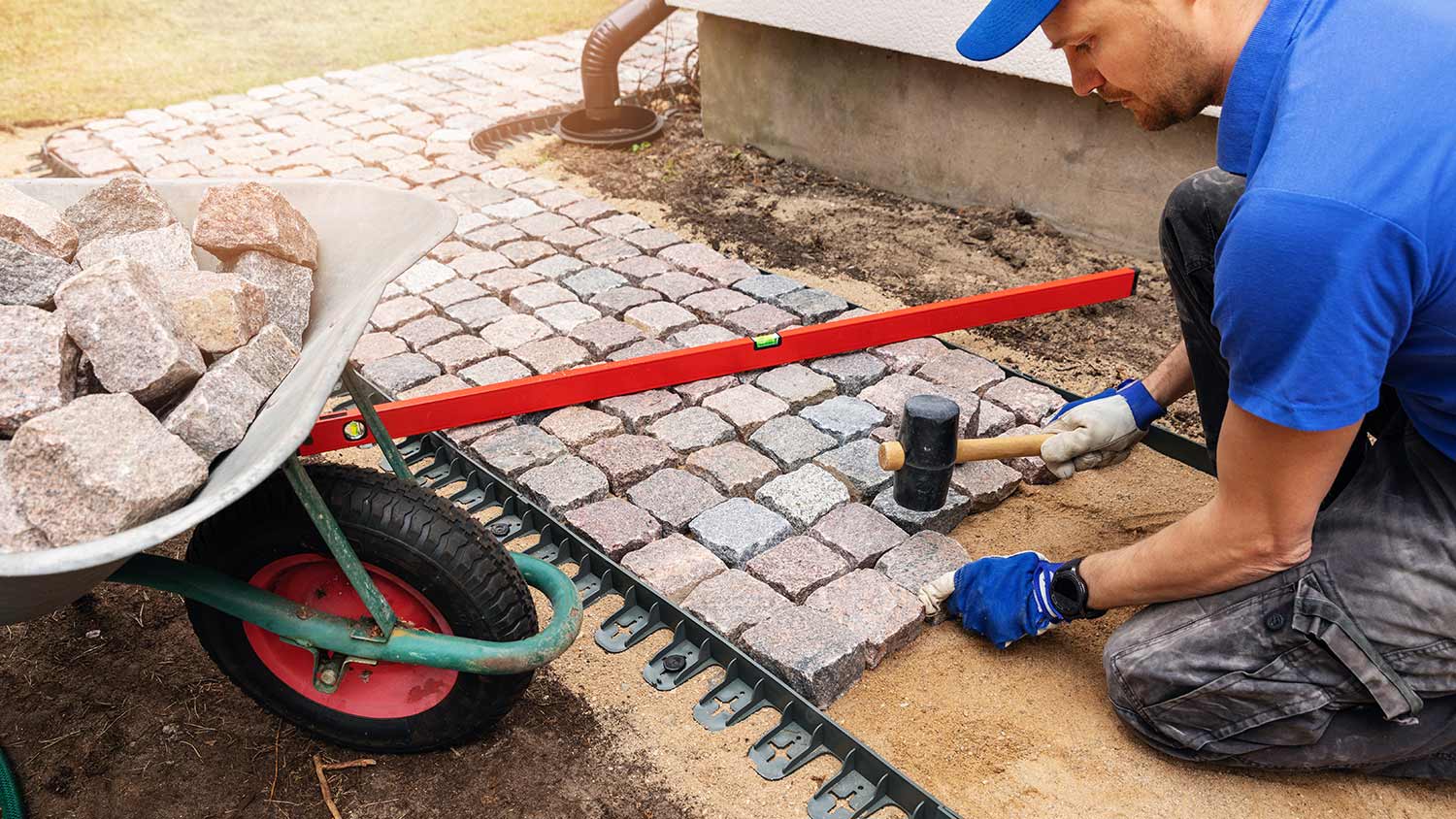
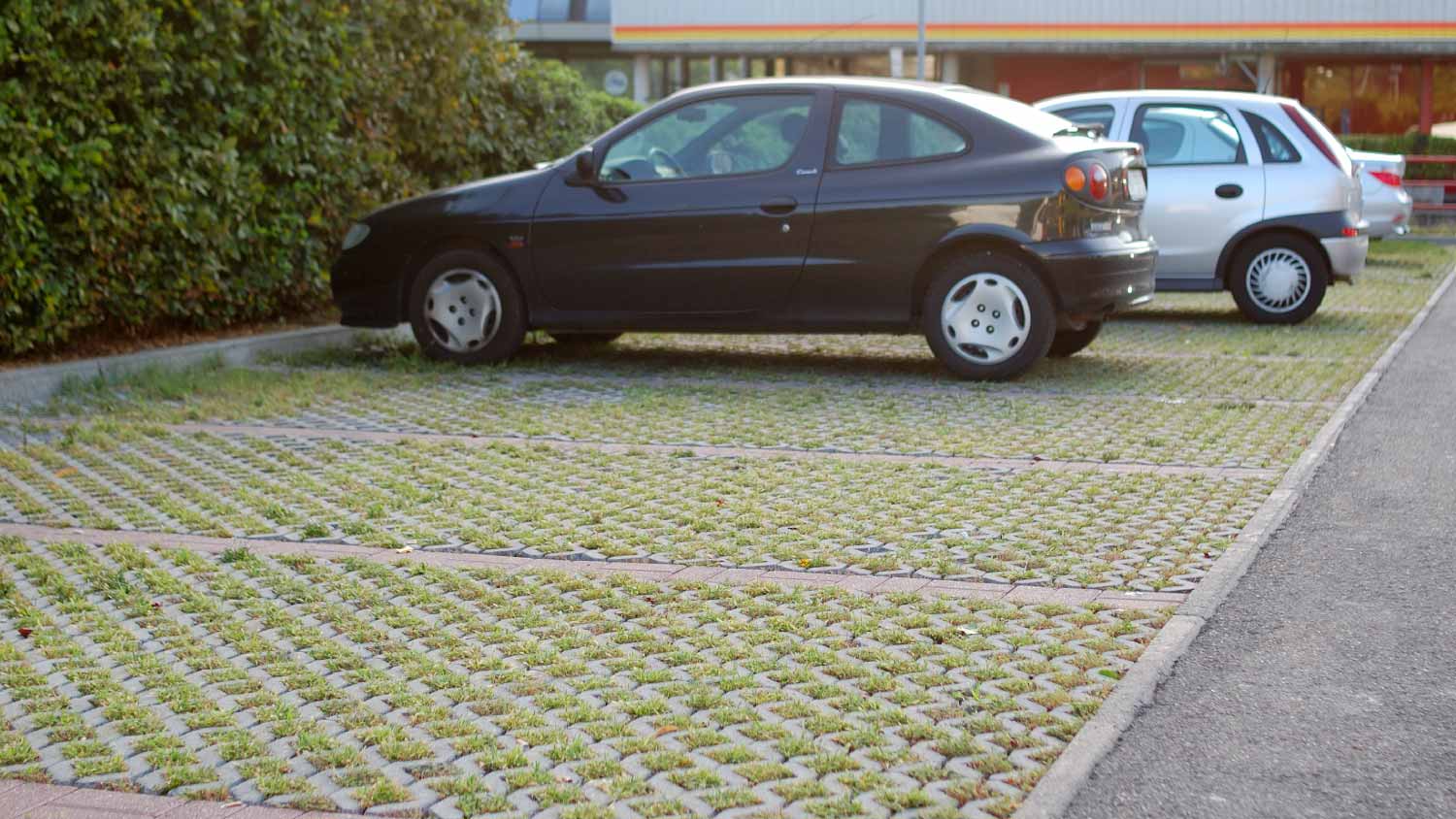
Pavers are a type of permeable hardscape that can be used for driveways, patios, walkways, and other landscaping features. Unlike poured concrete or asphalt, pavers typically have a layer of gravel underneath to prevent water runoff from damaging your property—though you can also lay pavers on grass. Because pavers are installed piece by piece, you can customize a one-of-a-kind hardscape that best suits your aesthetics, boosting your curb appeal along the way.

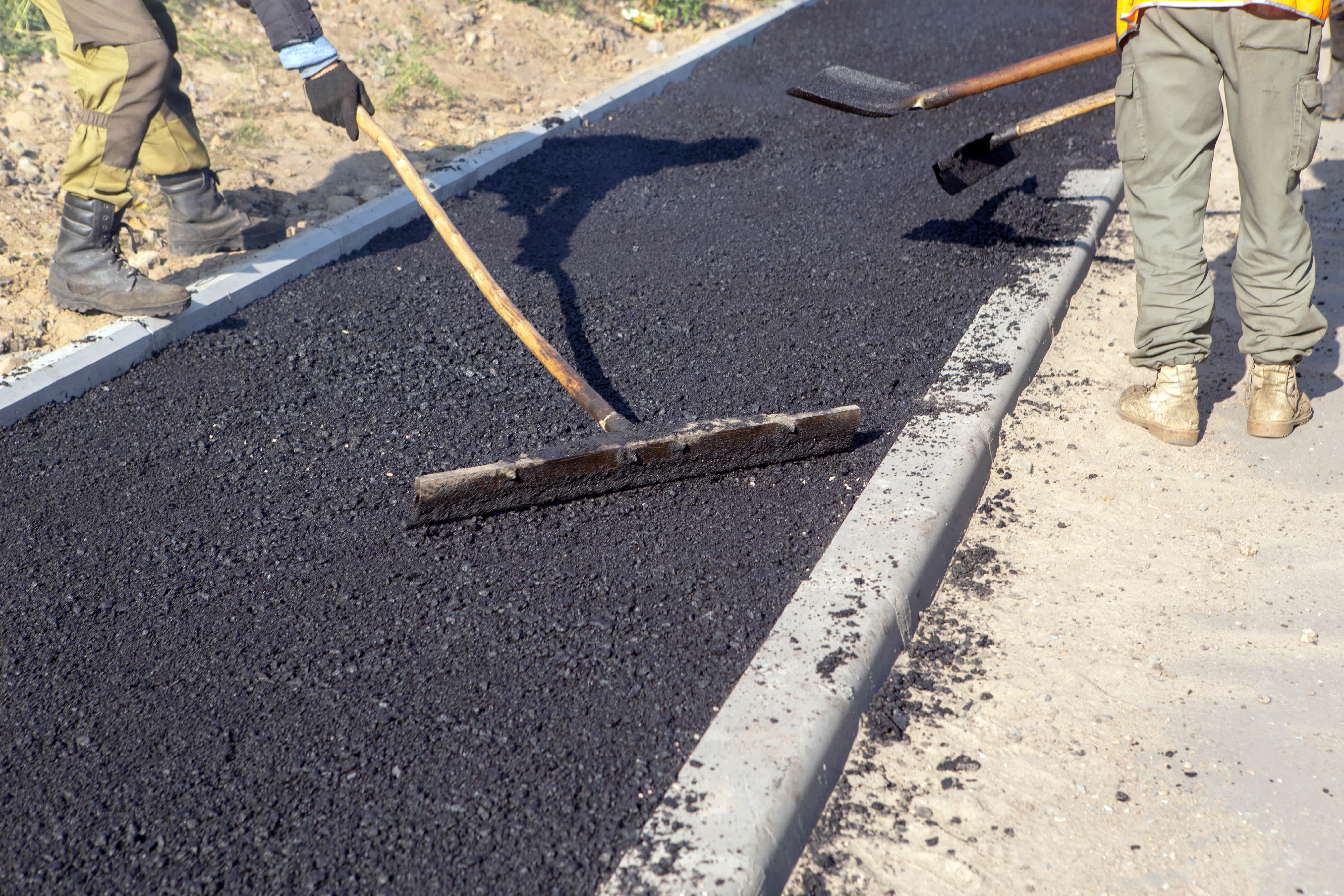
Asphalt and tarmac are not the same thing. Traditional tarmac, short for tarmacadam, uses tar as a binder to hold crushed stone together. Asphalt uses bitumen—a byproduct of crude oil—to bind aggregate. Though tarmac was once a go-to for roads, asphalt has become the modern standard. And these days, most surfaces referred to as “tarmac” are actually asphalt. So, while the names may overlap, the key distinction lies in the binder—tar for tarmac and bitumen for asphalt.

You can expect your asphalt pavement to last anywhere from 20 to 30 years, or 25 years on average. The life expectancy of your asphalt driveway depends on the climate, the amount of traffic, and how well you maintain it. While you can’t necessarily control some of these factors, you can control the amount of maintenance effort you put into your driveway. 

To prevent your asphalt from deteriorating prematurely, you should follow a good maintenance routine involving regular cleaning, reparation work, and resealing.

Yes, but it's best to kill off the grass with solarization and remove the dead plant matter before laying down the pavers. This helps limit the chance of your pavers shifting as the dead plant matter decomposes.

The Danville, IA homeowners’ guide to paving services

From average costs to expert advice, get all the answers you need to get your job done.