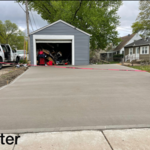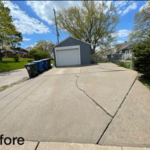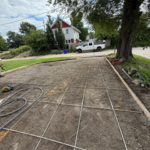


TN Construction
Asphalt Paving - InstallAsphalt Paving - Install- For BusinessAsphalt Paving - Repair or Patch+1 more
Serving Mount Pleasant, IA and surrounding areas

*The Angi rating for Paving Service companies in Mount Pleasant, IA is a rating based on verified reviews from our community of homeowners who have used these pros to meet their Paving Service needs.
*The HomeAdvisor rating for Paving Service companies in Mount Pleasant, IA is a rating based on verified reviews from our community of homeowners who have used these pros to meet their Paving Service needs.
Last update on March 06, 2026
Serving Mount Pleasant, IA and surrounding areas
Serving Mount Pleasant, IA and surrounding areas
In business since 1995
Free estimates
Credit card accepted
We pride our company on reliability, great communication, integrity, and quality work. We are experts in our trade and will do our best to keep you as educated as we can on your particular task or project. We look forward to earning your business! \n \n
Serving Mount Pleasant, IA and surrounding areas
In business since 2006
Free estimates
Credit card accepted
We are committed to excellence in every aspect of our business. We uphold a standard of integrity bound by fairness, honesty, and personal responsibility. Our distinction is the quality of service we bring to our customers. Accurate knowledge of our trade combined with ability is what makes us true professionals. Above all, we are watchful of our customers' interests and make their concerns the basis of our business. \n
Serving Mount Pleasant, IA and surrounding areas
In business since 2006
Free estimates
Welcome to S&H Landscaping! We are your premier landscaping and snow removal service in the Iowa City area. We do driveways, lots, walkways and much more! Give us a call and we'll give you a fair price!
Serving Mount Pleasant, IA and surrounding areas
In business since 1986
Free estimates
Offers commercial services
Kinman Company has become a staple of professionalism and quality work in our community for years. With decades of experience, there is no job too large or small for our crew. Call today to schedule an appointment!
Serving Mount Pleasant, IA and surrounding areas
In business since 2016
Free estimates
Timothy is committed to excellence in every aspect of our business. We uphold a standard of integrity bound by fairness, honesty, and personal responsibility. Our distinction is the quality of service we bring to our customers. Accurate knowledge of our trade combined with ability is what makes us true professionals. Above all, we are watchful of our customers interests, and make their concerns the basis of our business.
From average costs to expert advice, get all the answers you need to get your job done.
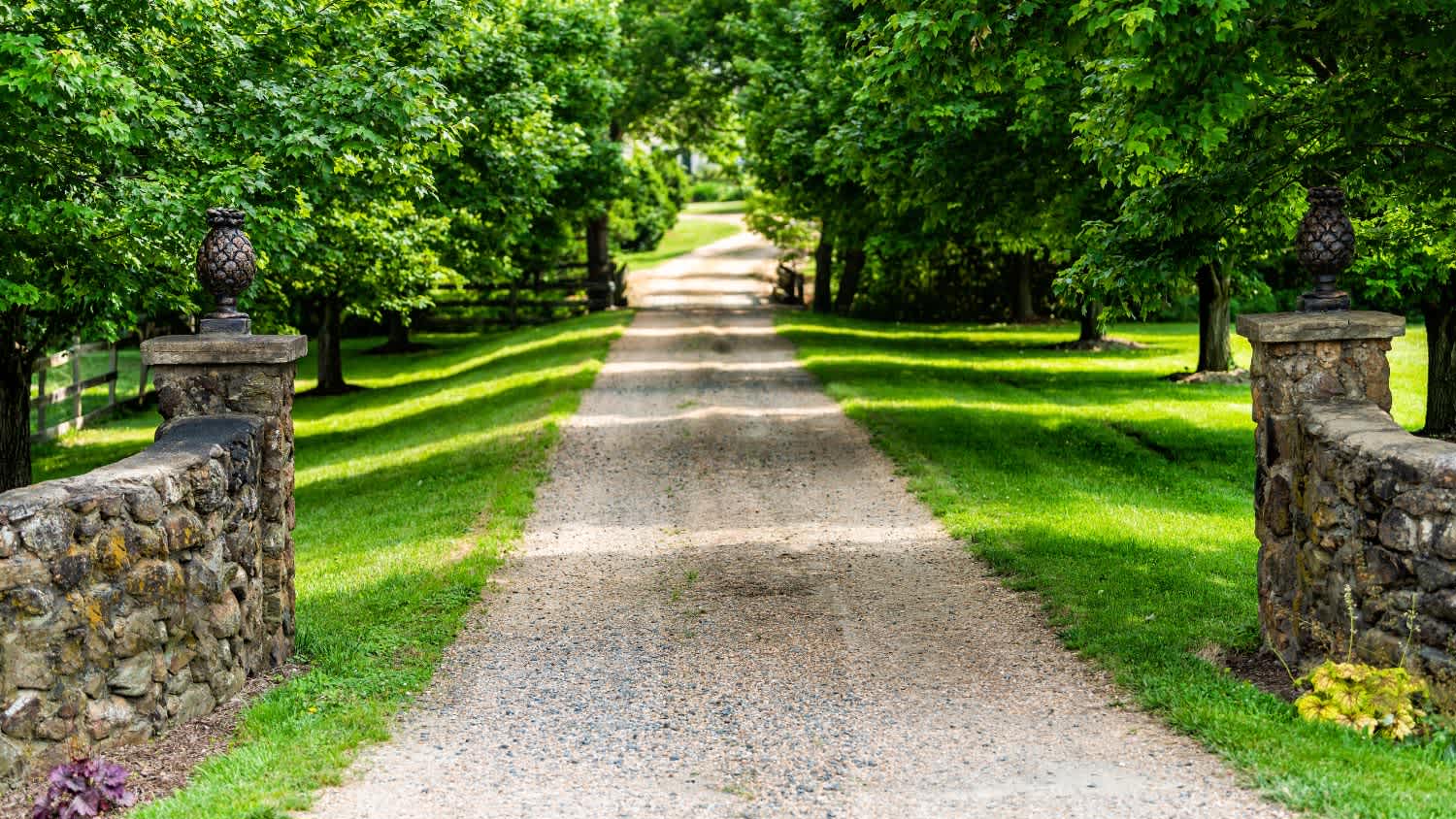
The cost to build a road on your property can be high, but the utility is often worth it. Use this cost guide to see how much this project will cost.
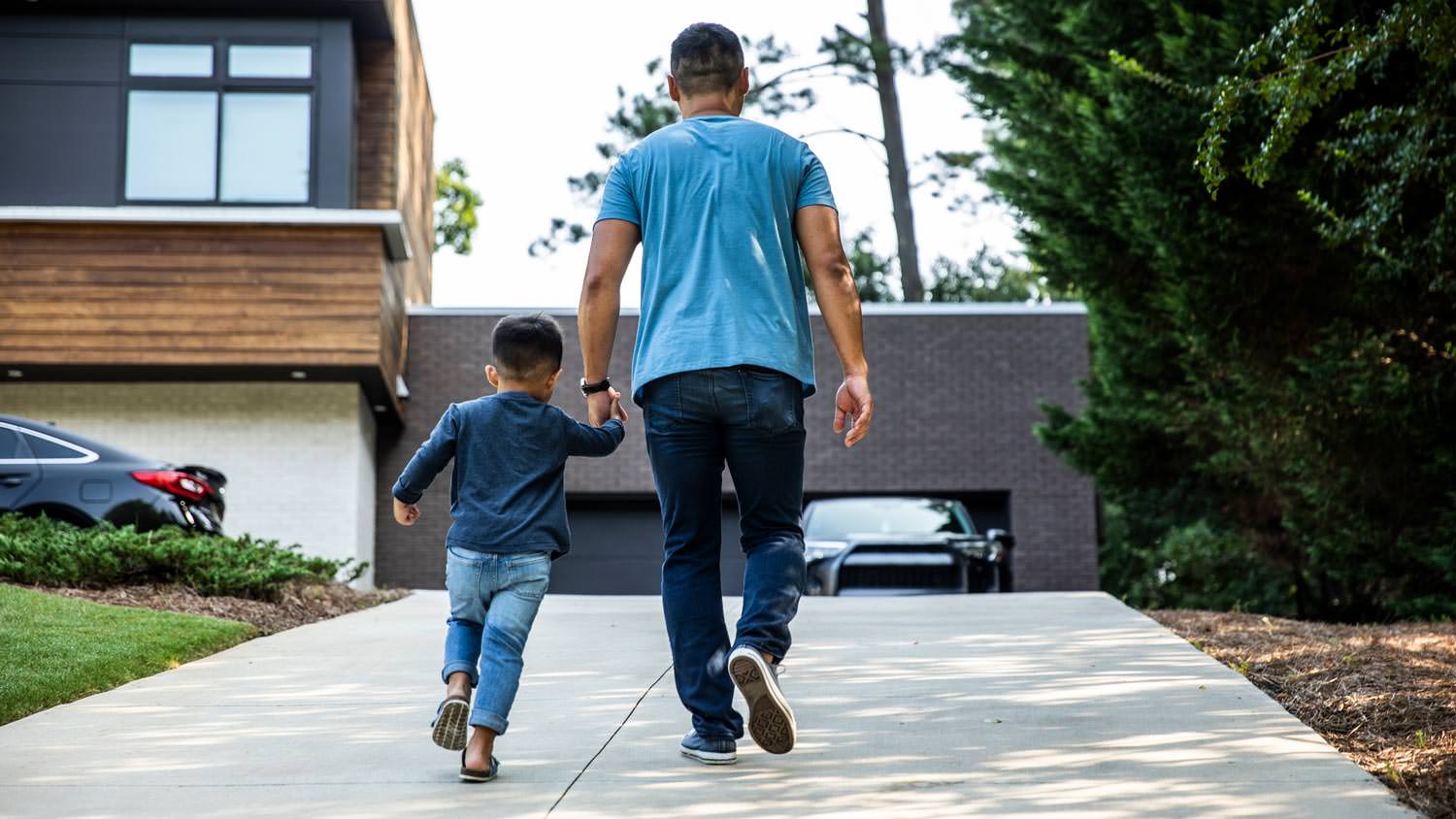
The average cost to pave a driveway is $4,897, but prices vary by size and material. This guide breaks down common cost factors and helps you budget.
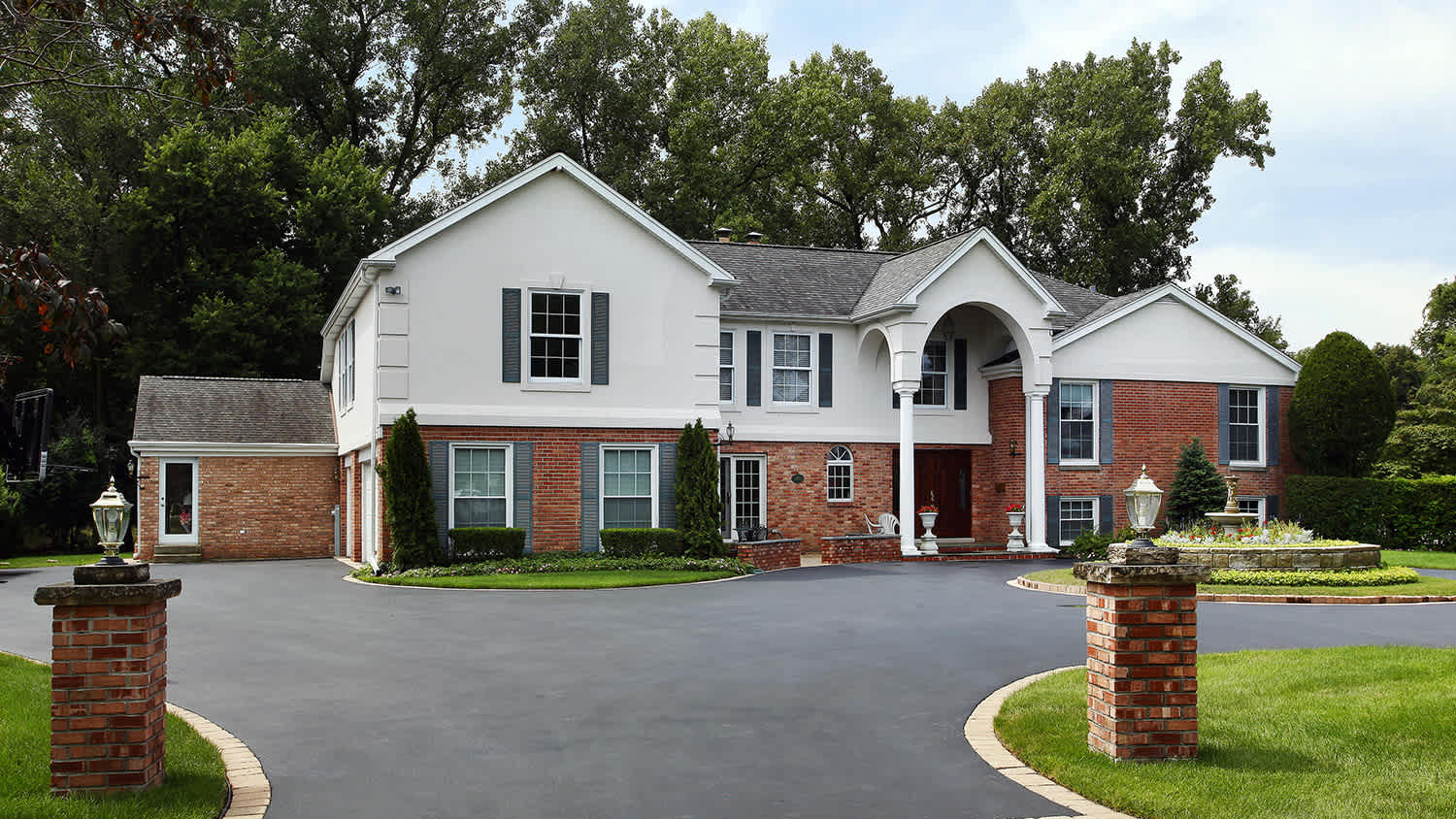
Do you need more parking for your business or home? Here's everything you need to know about the cost to pave a parking lot.
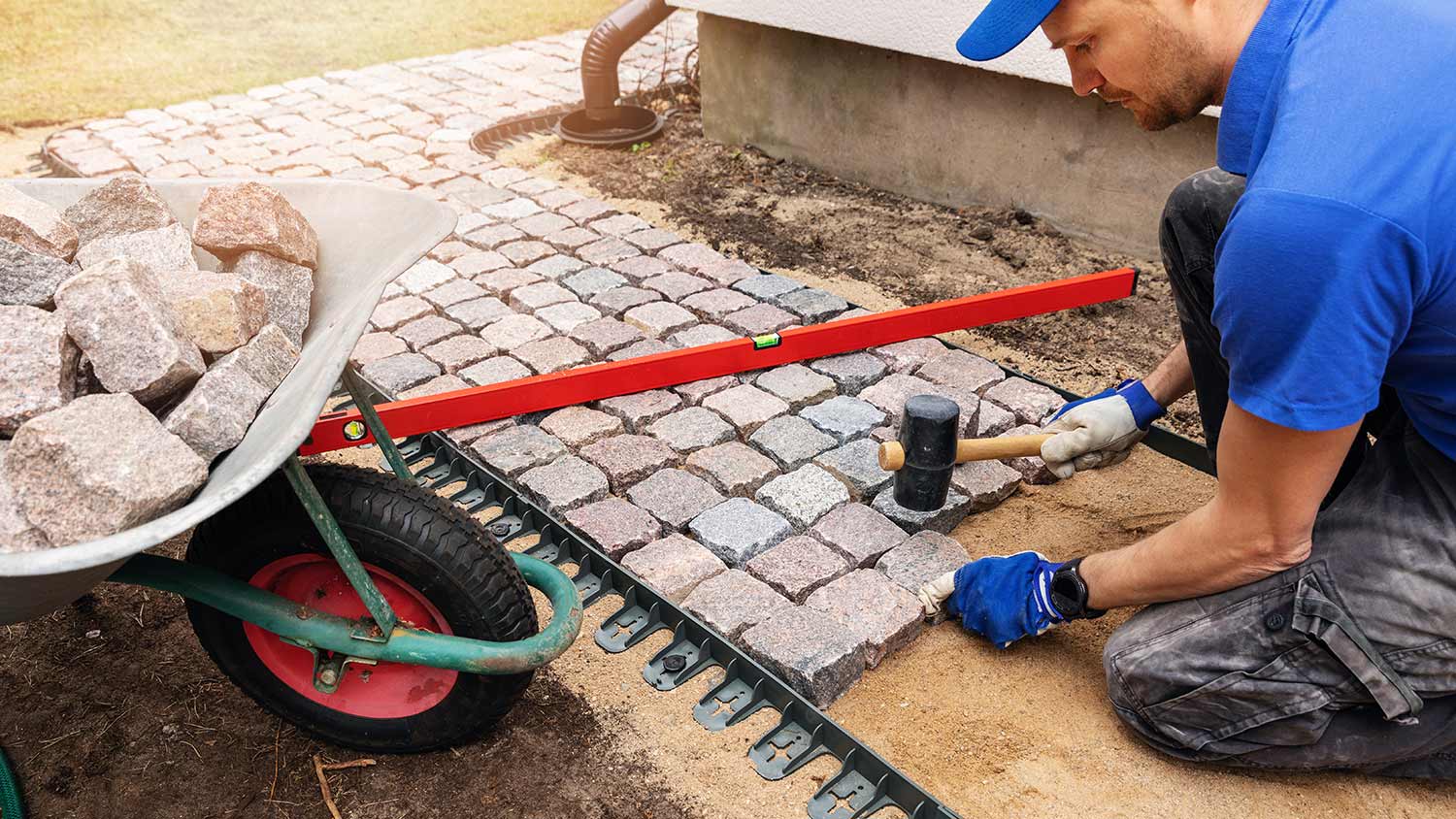
Get proactive with marketing for your paving contractor business. Use these paving marketing ideas (ranked by budget and experience level) to grow your business, get more leads, and earn more money.
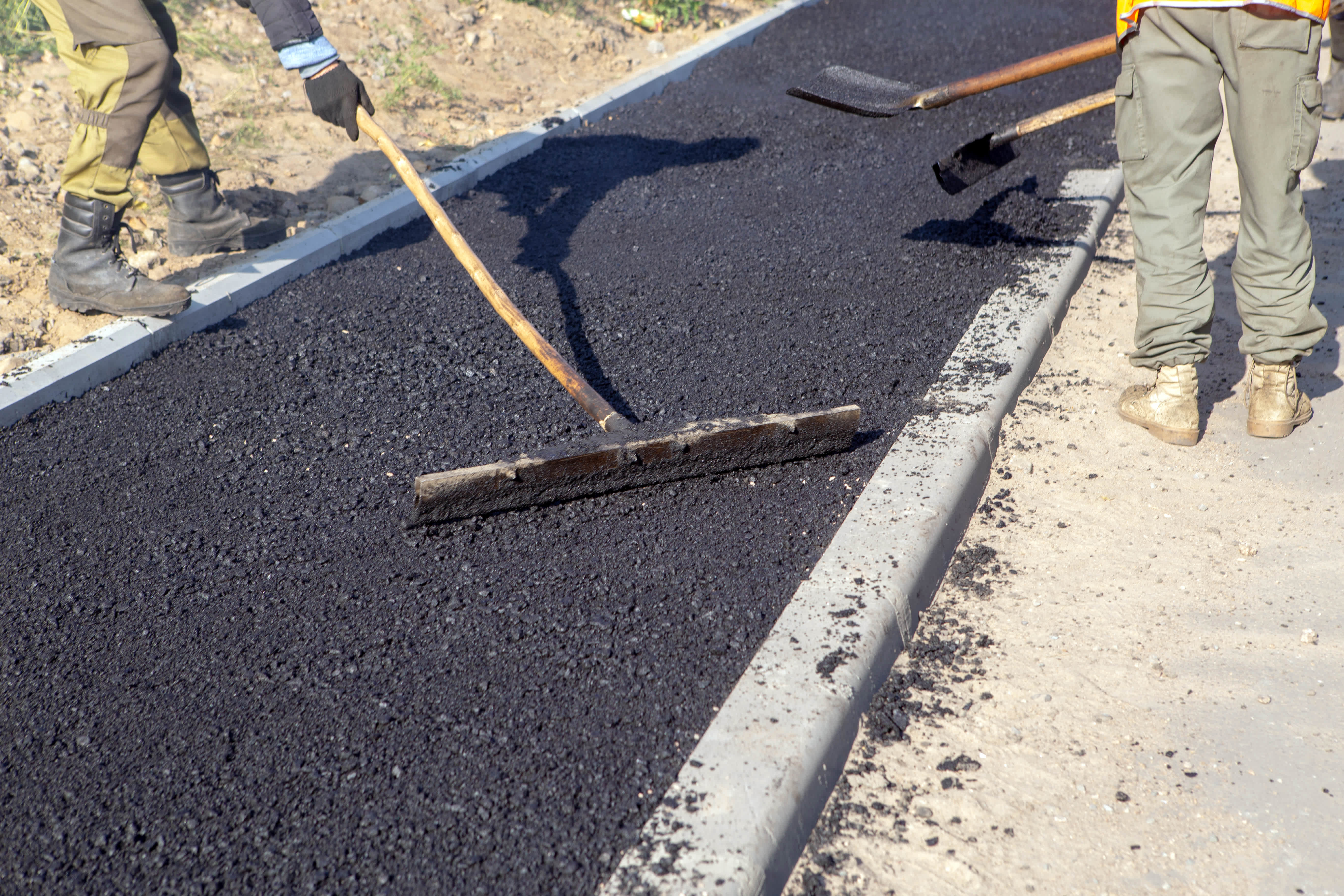
Learn how to hire an asphalt paving pro with confidence. Discover key qualifications, questions to ask, and tips for finding a reputable contractor.
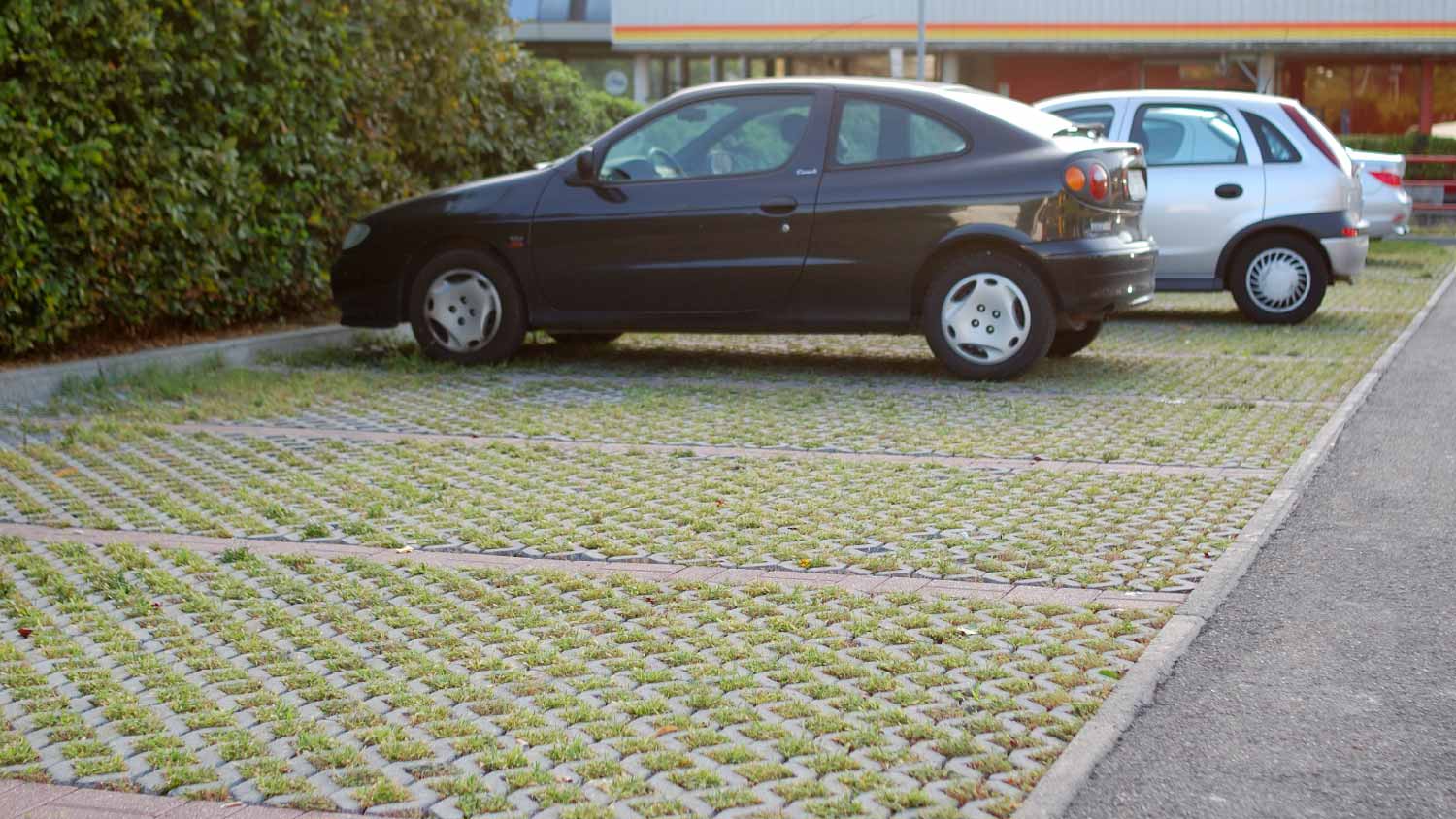
Is rainwater constantly building up on your driveway, walkway, or patio? Find out how permeable paving could be the answer to your problems.