





Top-rated paving pros.

Get matched with top paving pros in Bellevue, IA

Enter your zip and get matched with up to 5 pros

Need a pro for your paving service project in Bellevue, IA?

Select your specific project to find the pro for you.

Find Paving pros in Bellevue

Simon Says General Contracting
1.0(
1
)
Interlocking Pavers for Patios, Walks & Steps - Install

Serving Bellevue, IA and surrounding areas

In business since 1913

Free estimates

Credit card accepted

Simon Says General Contracting is committed to excellence in every aspect of our business. We uphold a standard of integrity bound by fairness, honesty, and personal responsibility. Our distinction is the quality of service we bring to our customers. Accurate knowledge of our trade, combined with ability is what makes us true professionals. Above all, we are watchful of our customers' interests, and make their concerns the basis of our business.

Paving Services questions, answered by experts

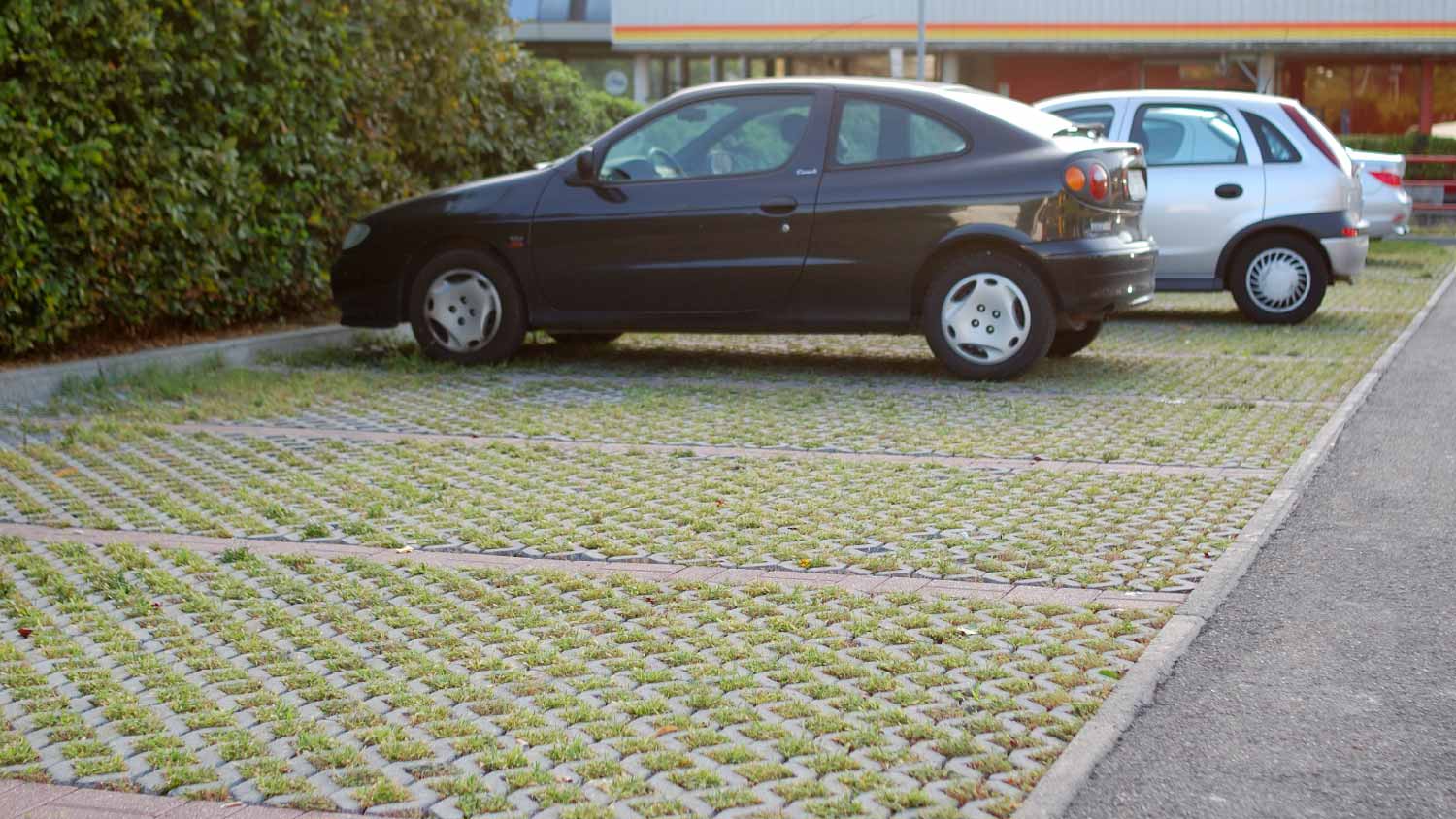
An example of permeable paving is a set of cinder blocks or natural stone pavers with room inside for natural materials, such as gravel, sand, or grass. You can also design these pavers with brick or plastic tiles.

In addition to these pavers, permeable pavement can be obtained by using a highly porous material, such as pervious concrete or pervious asphalt.

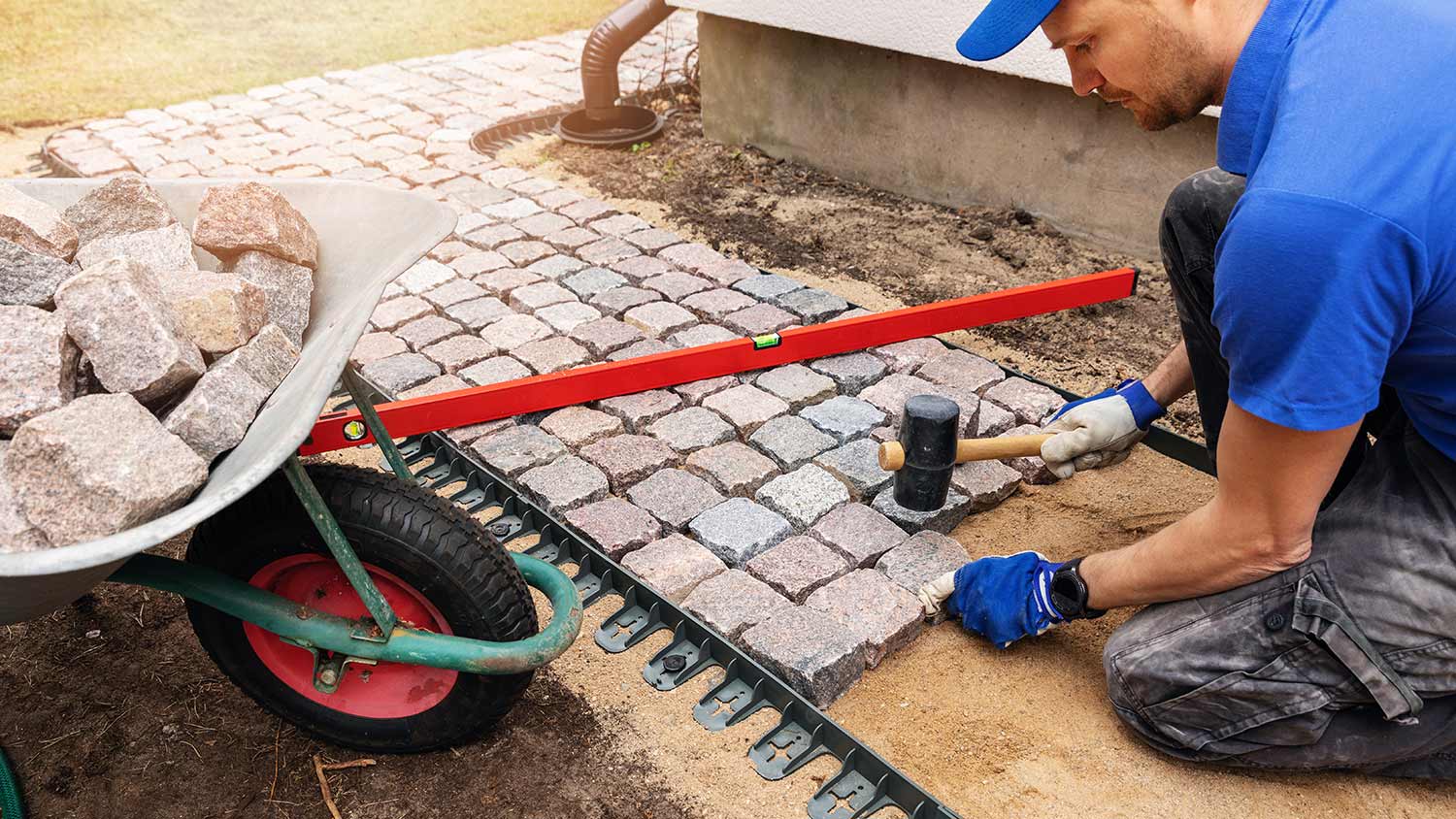
Yes, you should lightly wet the sand with a hose before laying the pavers on top. This activates the bonding agents in the sand, ensuring that your pavers don’t shift around during the installation process. However, you should make sure that the sand is not soaked; overwatering can cause the sand and pavers to not set properly.

Grass pavers are suitable for heavy foot or vehicle traffic, but they’re not as resistant as concrete or asphalt pavers.

If pavers are uneven but not sunken, lift the affected bricks and check the bedding sand underneath. In many cases, simply smoothing out or adjusting the sand is enough to level them. Add or remove small amounts as needed, then press the pavers back into place and tap them with a mallet until they sit evenly with the surrounding surface.

The dimensions of a driveway apron vary based on local building codes, the width of your driveway, and the distance between the driveway and the road. On average, aprons range from 12 to 24 feet wide and 8 to 18 feet long. Typically, the end of the apron connected to the driveway matches its width—such as 10 to 12 feet for a single-car driveway—while the end at the street flares out to allow cars to turn in and out more easily. In some areas, you may not be responsible for the portion of the apron that extends beyond the sidewalk, but this depends on local laws.

The Bellevue, IA homeowners’ guide to paving services

From average costs to expert advice, get all the answers you need to get your job done.