







Top-rated radon detection and reduction specialists.

Get matched with top radon detection and reduction specialists in Union Point, GA

Enter your zip and get matched with up to 5 pros

Need a pro for your radon detection and reduction project in Union Point, GA?

Select your specific project to find the pro for you.

Find Radon detection and reduction specialists in Union Point

Avatar for Elite inspections of GA
Elite inspections of GA
5.0(
11
)

Serving Union Point, GA and surrounding areas

In business since 2014

Free estimates

Emergency services offered

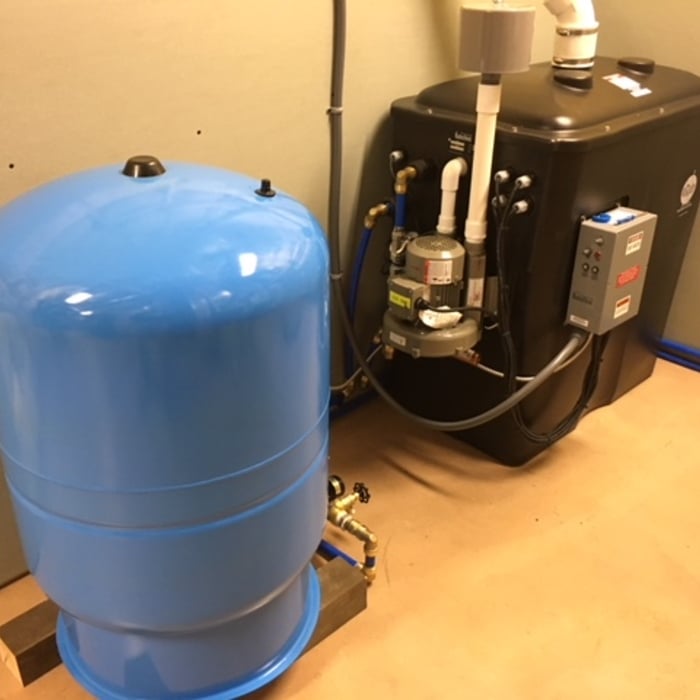
"I wanted to install a radon remediation system for several years but I was not sure who to hire for installation. I found the website for Elite on Angies List and Google. I decided to call and select them for the install. The team did a great job and was very professional."
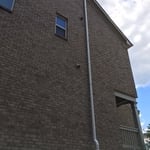
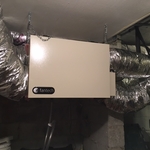
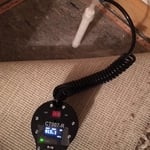
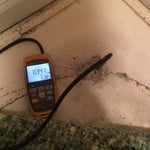
Additional Photos
Additional Photos
Additional Photos
Additional Photos
Additional Photos

+2

Recommended by100%of homeowners

Radon Detection and Reduction questions, answered by experts

Your radon mitigation system may be loud because it’s time to replace it. Any sounds are usually from the inline fan that helps create the vacuum and resulting airflow. If you hear a new, loud mechanical or humming noise from your radon fan, it might be time to replace it. Most fans used in radon mitigation systems last up to 10 years, but may need to be replaced sooner.

Testing every 2-5 years or upon adjusting occupancy or structural changes maintains safe environments.

The cost to replace a radon fan ranges from $300 to $600 for the fan itself, with installation adding an additional $200 to $500. Overall, the total cost for replacement can range from $500 to $1,100, depending on factors such as the fan model, home size, and local labor rates. If the fan is part of a larger radon mitigation system, the price may be higher.

Mitigation can take several days depending on home setup, equipment accessibility, and achieving effective diffusion system sealed efficiency.

Keeping radon from getting into your home is much better than having to get rid of it once it's already indoors. While there may not be a way to fully prevent radon from getting into your home, there are things you can do to reduce the gas's ability to enter. 

Sealing foundation cracks and openings can help keep the gas from seeping inside. Improving air flow, such as by opening windows, can also be helpful. If you're building your home from scratch, talk to your contractor about using radon-resistant construction to keep the gas out.

The Union Point, GA homeowners’ guide to radon detection and reduction services

From average costs to expert advice, get all the answers you need to get your job done.

What do you need done? We’ll find top pros.
  • 🌱 "Mow a small front yard"
  • 🛠 "Fix a leaking pipe under the sink"
  • 🏠 "Repair shingles on an asphalt roof"